
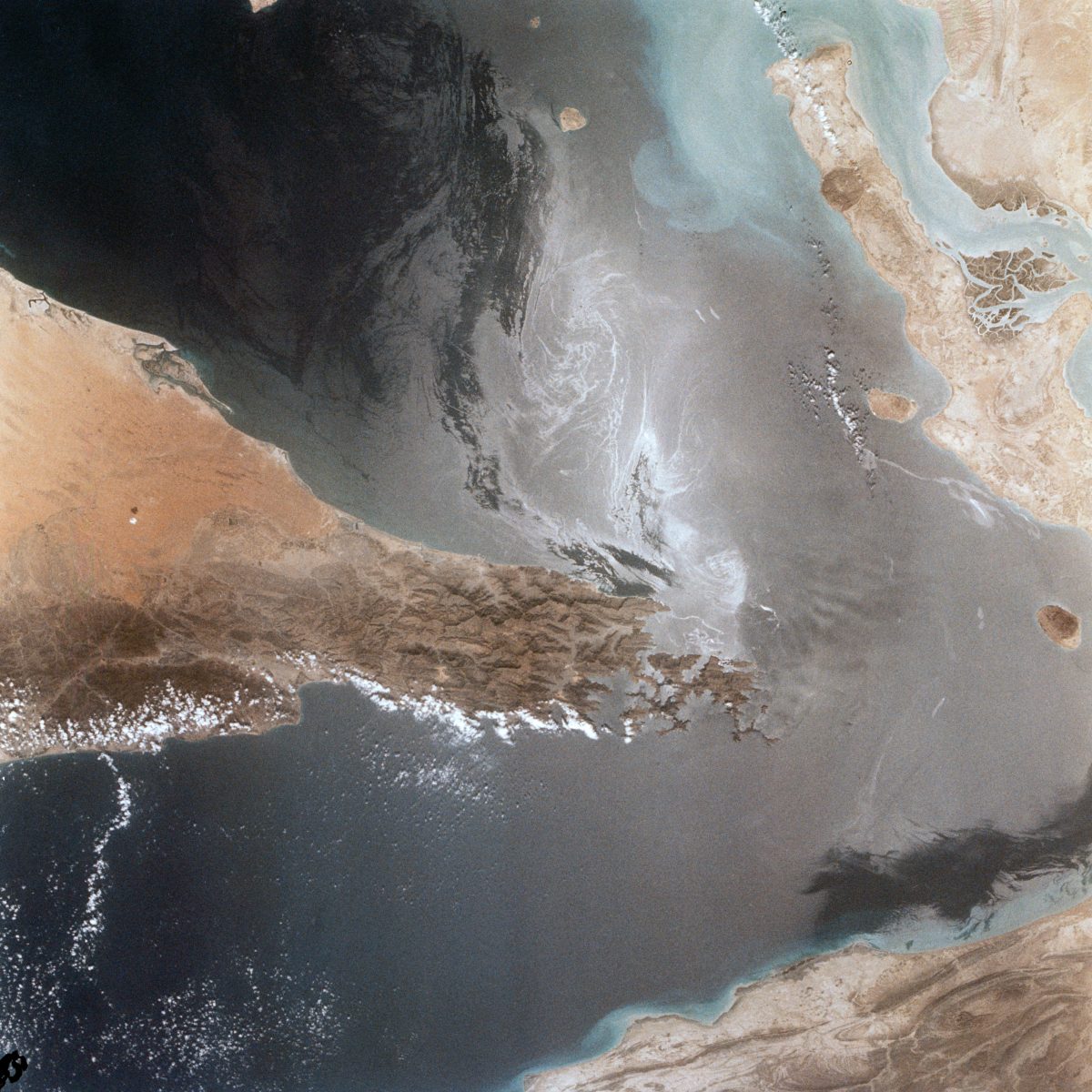
- Break. The United States paused its military campaign against Iran after 13 consecutive days of strikes, and Iran said on July 27 it would halt attacks as long as the US pause holds.
- Fact. UN special envoy Michael Waltz said the Trump administration is “giving talks some space” — the clearest public signal yet that Washington is open to a diplomatic off-ramp.
- Stake. The pause is fragile: any resumption of strikes or Iranian counter-attacks could reinstate a risk premium that had pushed Brent crude above $100 a barrel and stoked inflation from the Gulf to Western Europe.
A senior Iranian official told Reuters on July 27 that Iran would suspend attacks as long as the United States refrains from further strikes — the first formal indication of a reciprocal pause since the two countries entered open military confrontation earlier this month. US forces had conducted strikes on Iranian targets on each of the previous thirteen days, targeting military infrastructure and nuclear-adjacent facilities across the country.
Space for Talks
Michael Waltz, the US special envoy who has been the public face of Washington’s negotiating posture, told CNN on July 26 that the Trump administration was “giving talks some space,” without confirming a formal halt. The comments were the most explicit acknowledgment yet from the US side that a non-military path remained on the table. Oman, which previously facilitated the channel that produced a short-lived June memorandum of understanding, is reportedly again acting as intermediary in preliminary discussions over maritime traffic management through the Strait of Hormuz.
Tehran had already rejected at least one formal US ceasefire proposal as the bombing campaign extended into its second week. The new signal differs in that it originates from the Iranian side and is conditional rather than categorical — suggesting Tehran may be testing whether a mutual pause, rather than a formal agreement, is sufficient to stop the strikes.
What Changed
US officials briefed reporters that declining target quality and concerns about depleted air-defence interceptor supplies in partner countries had influenced the timing of the pause. Iran’s toll regime on Strait of Hormuz shipping — which disrupted oil flows and drove Brent above $100 a barrel — remained formally in place as of Monday morning, and the maritime dimension of the conflict is likely to be the first real test of whether the ceasefire holds in practice.
How Long It Will Last
The underlying driver of US military action — Iran’s nuclear programme — has not been addressed in any confirmed diplomatic framework. Washington’s stated demand has remained the complete halt of enrichment; Tehran has offered monitored slowdowns. That gap has not visibly narrowed. Analysts cautioned against reading the pause as a settlement: Iran still controls the Strait’s access terms, and the threat of resumed enrichment at hardened sites remains live. The coming 48 to 72 hours will determine whether the pause becomes a genuine ceasefire or simply the opening interval before a new round of strikes.