
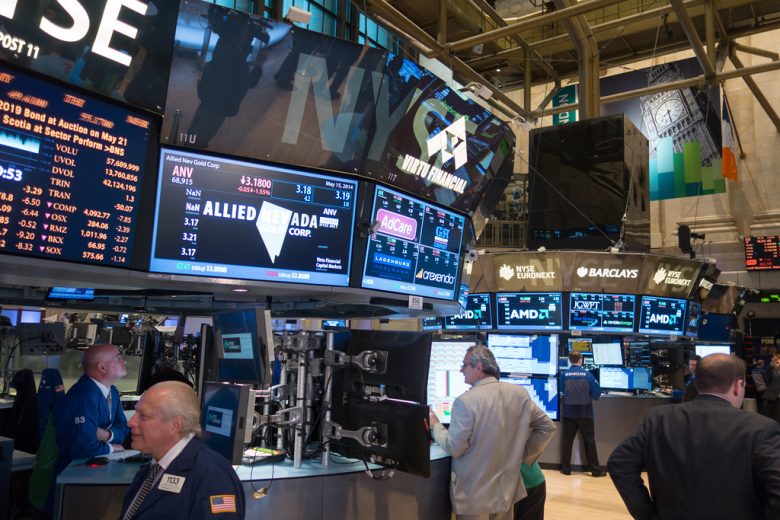
- Lead. Bankers working on Anthropic’s IPO have told potential investors the company could raise more than $100 billion at a valuation of up to $2 trillion, which would surpass SpaceX’s June 2026 listing — itself the largest IPO in US history at $85.7 billion — and make Anthropic the most valuable company to ever go public.
- Fact. Anthropic’s annualised revenue run rate stood at $65 billion as of the end of July, up from $47 billion in May, with the company confidentially submitting its draft S-1 to the Securities and Exchange Commission on June 1.
- Stake. The listing is now expected after November’s midterm elections — a delay from an earlier October target — with timing dependent on SEC review and market conditions.
Anthropic’s path to Wall Street has been one of the more closely watched events in technology finance in 2026. The company confirmed in June that it had confidentially submitted a draft S-1 to the SEC, following a Series H fundraising round that valued the business at $965 billion. The public filing has not yet appeared on EDGAR, but bankers who have discussed the transaction with institutional investors say the company expects the valuation to more than double to approximately $2 trillion on the public market, according to reporting by Webull and the Nasdaq.
A Scale Without Precedent
SpaceX went public in June at a valuation of $1.77 trillion, raising $85.7 billion — itself a record that eclipsed Saudi Aramco’s 2019 IPO. Anthropic expects its offering to match or exceed that transaction, Bloomberg has reported. At a $2 trillion valuation, the listing would represent one of the steepest multiples ever applied to revenue in the history of technology IPOs.
The financial case rests on rapid top-line growth. Revenue reached an annualised $47 billion in mid-May and had climbed to $65 billion by the end of July, with enterprise contracts — companies embedding Claude into their software products — cited as the primary growth driver. The S-1 reportedly discloses that 82.6% of 2025 revenue came from usage-based enterprise contracts, while two clients accounted for 24% of total revenue, a concentration risk that investment analysts have noted.
The draft prospectus also reveals that Anthropic has locked in $518 billion in compute commitments across six partners — Google, Amazon, Microsoft, Broadcom, AMD, and Elon Musk’s xAI — over the next decade. Approximately 80% of those commitments must be paid regardless of whether the capacity is fully used, a take-or-pay structure that analysts say will place significant cash demands on the company after listing.
Timing and Market Conditions
The IPO was initially flagged for mid-October but has slipped to a post-midterm window. Reports from early October suggest Anthropic’s bankers and board are monitoring equity market volatility — including the impact of rising Treasury yields on technology valuations — before setting a final roadshow date. The 10-year Treasury yield has been trading above 5.1% in recent sessions, compressing multiples for high-growth, pre-profitability companies.
The listing, if it proceeds near $2 trillion, would also put Anthropic’s market capitalisation above Apple’s at the time of writing, raising immediate questions about whether public markets can sustain the valuation. Anthropic reported a net loss of roughly $42 billion in 2025, though the company attributes approximately $34 billion of that figure to non-cash charges tied to the accounting treatment of its compute financing instruments.
OpenAI in the Wings
The Anthropic IPO timeline is also shadowed by OpenAI, which filed a confidential draft S-1 earlier this year. OpenAI’s revenue has reportedly been revised down from earlier analyst estimates, and one account puts the company’s annualised run rate at approximately $70 billion, slightly ahead of Anthropic’s July figure. Whether both companies attempt to list in the same six-month window — or whether the market demands a queue — may prove as significant as any individual company’s numbers in determining which valuation holds.