
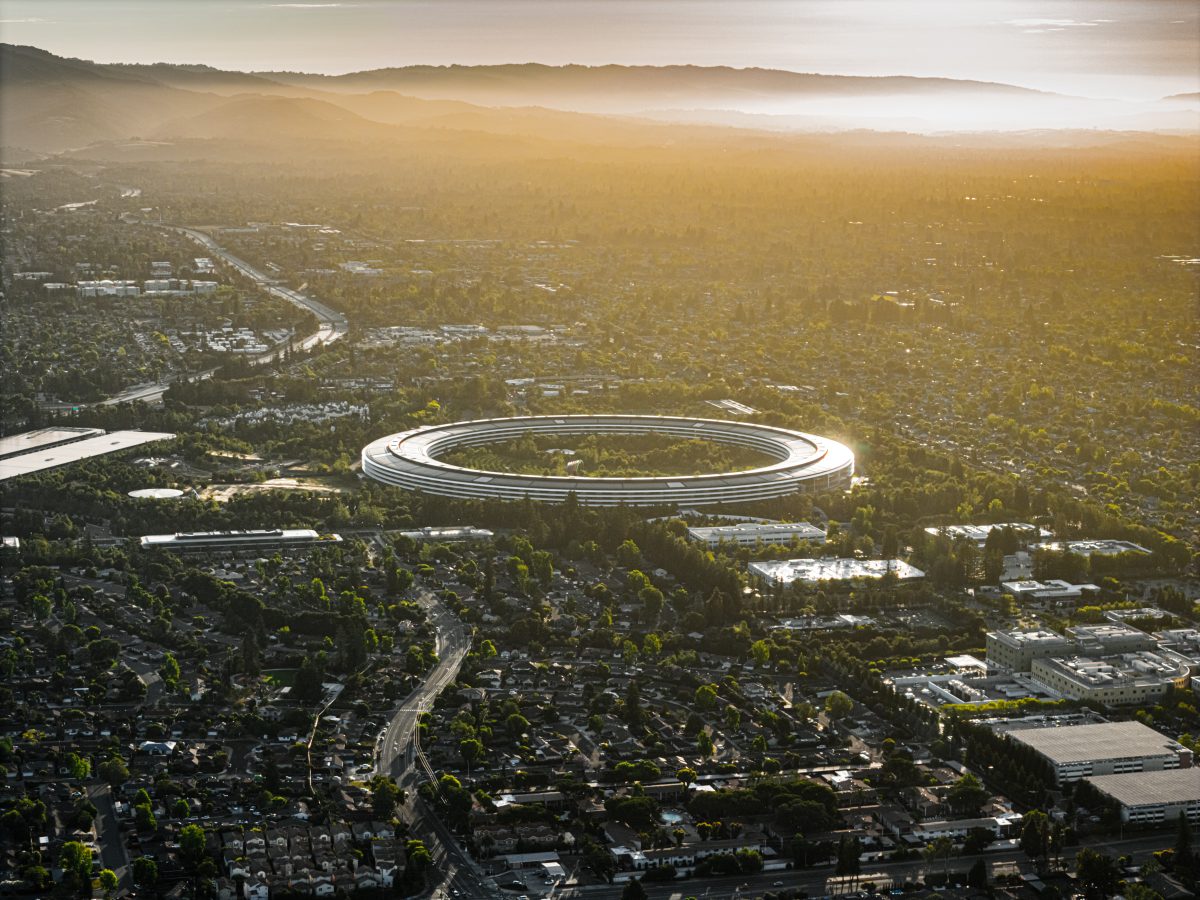
- Milestone. Apple shares briefly touched $342.89 on July 28, pushing the company’s market capitalisation to approximately $5.036 trillion intraday — only the second publicly traded company to reach that level after Nvidia crossed it on October 29, 2025.
- Transition. The record arrives as CEO Tim Cook prepares to hand leadership to product chief John Ternus on September 1, ending the most consequential executive tenure in consumer technology history.
- Lag. Despite the headline figure, Apple has trailed AI-era peers: shares are up roughly 130% since ChatGPT launched in late 2022, compared with 1,125% for Nvidia, 386% for Meta, and 226% for Google over the same period.
How Apple got here
The $5 trillion intraday print arrived less than nine months after Apple crossed the $4 trillion mark in October 2025, driven primarily by consistent iPhone demand rather than any single transformative product announcement. Shares are up approximately 24% year-to-date and close to 60% over the past twelve months, according to data cited by Yahoo Finance. The stock closed at $339.70, leaving the market capitalisation fractionally below $5 trillion at the bell, but the intraday cross will be recorded as the symbolic moment Apple rejoined Nvidia at the summit of public-market valuations.
Apple had been briefly displaced from the top position by Nvidia during the AI infrastructure spending boom of late 2024 and 2025. The reversal reflects a rotation in investor sentiment: as concerns grew about whether AI capital expenditure cycles could sustain chip valuations at their peaks, Apple’s steadier earnings profile and loyal consumer base pulled relatively more capital.
What is driving the move
Strong iPhone sales have underpinned the rally. Apple also benefits from a Services segment — App Store, iCloud, Apple TV+, Apple Pay — that now generates more than a third of the company’s gross profit, reducing its dependence on any single product cycle. The combination of hardware loyalty and services recurring revenue has given analysts a basis to assign a premium multiple even when new product categories remain nascent.
A near-term headwind is visible, however. A global shortage of high-bandwidth memory chips, driven by AI data centre demand, has forced Apple to raise prices on Mac and iPad product lines. Management has flagged that those increases could extend to iPhones if the supply constraint persists into the autumn cycle. The broader market remained watchful: chip stocks had slid earlier in the week on AI capex concerns ahead of the FOMC meeting, and the Federal Reserve’s 9-3 hold on July 29 added a new layer of uncertainty about the rate outlook.
The Cook-to-Ternus handover
Tim Cook’s departure on September 1 is the most significant Apple leadership change since Cook succeeded Steve Jobs in 2011. John Ternus, currently Senior Vice President of Hardware Engineering, has been the principal architect of the M-series chip transition that untethered Mac performance from Intel’s roadmap and delivered years of market-share gains in the premium laptop segment. His elevation to chief executive will test whether Apple can close the gap on AI feature integration — a competitive area where the company has lagged Google, Microsoft, and Meta — without disrupting the supply-chain discipline and product-cycle consistency that defined Cook’s tenure.