
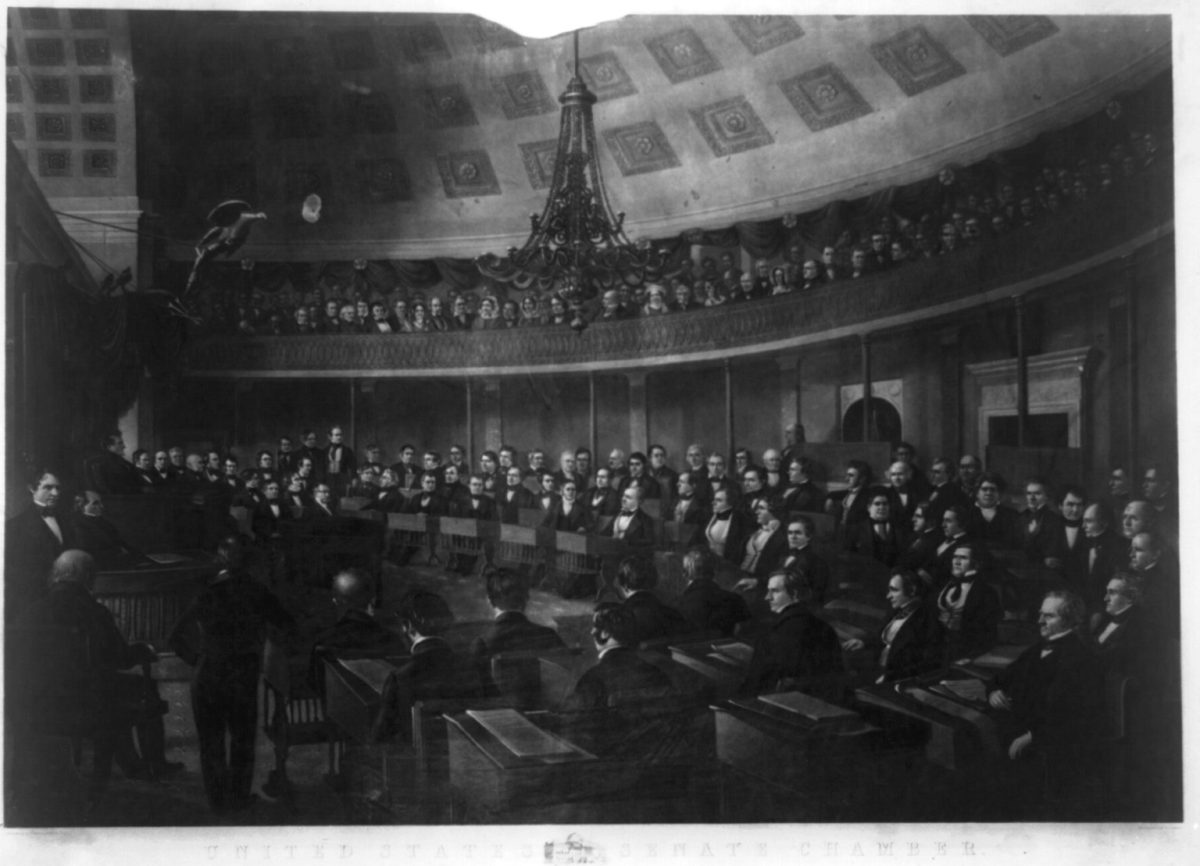
- Lead. The US Senate voted 86 to 11 on August 7 to pass the Lindsey O. Graham Sanctioning Russia and Iran Act of 2026, the most sweeping Russia sanctions legislation since the war in Ukraine began, authorising 100 percent tariffs on goods from countries that continue purchasing large amounts of Russian oil and gas.
- Fact. The bill explicitly targets China and India — Russia’s two largest remaining oil customers — and addresses Russia’s shadow fleet while expanding sanctions on Iran’s weapons and energy sectors.
- Stake. The legislation now heads to a House vote no earlier than September, arriving just as Xi Jinping is expected in Washington — a timing that will force Beijing to weigh trade concessions against continued dependence on discounted Russian crude.
The United States Senate passed landmark Russia sanctions legislation on Thursday with a decisive 86-to-11 bipartisan vote, sending to the House a bill that would authorise the president to impose tariffs of up to 100 percent on goods from any country that continues purchasing significant volumes of Russian oil and gas, according to Radio Free Europe/Radio Liberty. The bill, formally named the Lindsey O. Graham Sanctioning Russia and Iran Act of 2026 in honour of the late Republican senator from South Carolina, is designed to choke off the revenue streams that have sustained Moscow’s military campaign in Ukraine.
What the Legislation Does
The 61-page bill centres on energy revenue as the critical vulnerability in Russia’s war economy. Its tariff provision would allow the executive branch to impose secondary tariffs on nations whose purchases of Russian crude, liquefied natural gas, or refined products meet a threshold yet to be defined by regulation. Senator Richard Blumenthal, one of the bill’s co-sponsors, highlighted the shadow fleet — the constellation of ageing, obscurely-owned tankers that has allowed Russia to route oil to market despite existing Western restrictions — as a specific enforcement target. The legislation also expands the scope of Iran-related sanctions, adding restrictions on weapons sales and energy-sector financing.
The measure had languished in committee for months before the administration signalled support, unlocking enough Republican votes to achieve the wide margin needed to withstand future procedural challenges in the House. Democratic representatives Gregory Meeks and Don Beyer publicly described the current text as “unacceptable” over concerns about the tariff mechanism’s breadth but indicated they were willing to negotiate amendments, suggesting the final version may be moderated before any presidential signature.
China and India in the Crosshairs
The practical target of the secondary tariff provision is unmistakably Beijing and New Delhi. China absorbed roughly 40 percent of Russia’s seaborne crude exports in the first half of 2026, while India accounted for another 30 percent, both countries taking advantage of steep discounts relative to Brent benchmark prices. Were 100 percent tariffs applied on Chinese goods entering the United States, the economic disruption would be severe — and Beijing knows it.
The bill’s passage through the Senate comes at a diplomatically sensitive moment. Chinese officials have already been in direct contact with Washington over existing trade curbs, with President Xi Jinping’s expected visit in September serving as a potential inflection point. The new legislation, arriving weeks before that summit, gives the White House additional leverage — or, depending on how Beijing reads it, a fresh irritant that could complicate any deal.
Path Through the House
Congress is in its summer recess until early September, meaning the House will not take up the bill before lawmakers return. Republican leadership in the chamber has not committed to bringing it to the floor quickly, and the tariff provisions are expected to attract scrutiny from members who are wary of giving the executive branch broad new trade authority. The administration’s formal support may prove decisive in overcoming that resistance, but the final shape of any House-passed version is far from certain.
For Ukraine’s backers in Washington, the Senate vote represents a meaningful shift: the debate has moved from whether to impose deeper Russia sanctions to how aggressively to enforce them against third-country buyers. That shift, even before House passage, will register in Moscow, Beijing, and New Delhi as a signal that the political appetite in the United States for tightening the economic vise on Russia has not dissipated.