
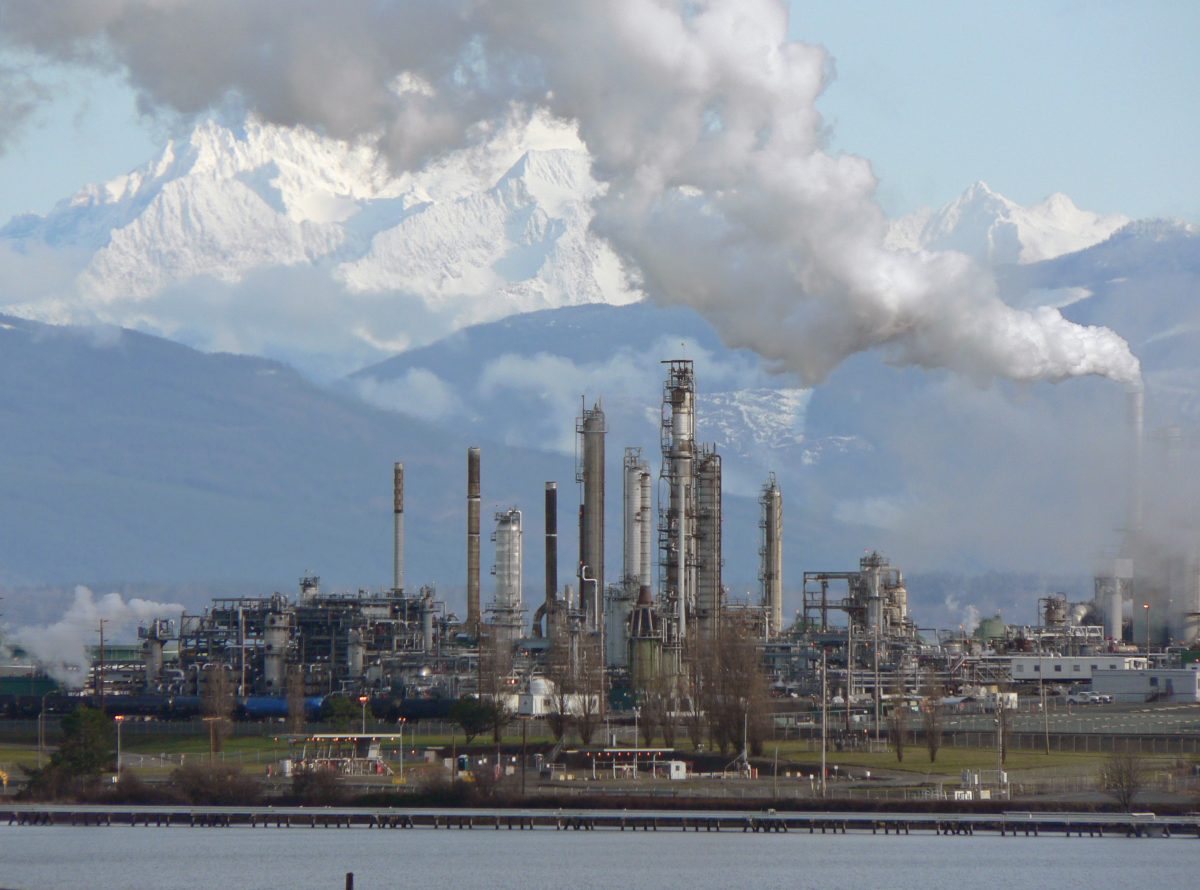
- Lead. Crude oil fell sharply on August 14, with WTI stabilising near $81.23 a barrel after a 2.2% decline in the prior session, as a US crude inventory build outweighed the persistent geopolitical risk premium embedded in oil prices since the Iran war began.
- Fact. Gold pulled back from a test of $4,450 an ounce to trade near $4,360 after US producer prices met expectations, easing Federal Reserve rate-hike pressure and trimming the safe-haven bid that had supported precious metals through the week.
- Stake. The simultaneous cooling of oil and gold — while VIX fell to its lowest since January and Bitcoin’s 30-day implied volatility touched a 2026 low — suggests markets are pricing in a temporary de-escalation that Iranian and Houthi actions in the Strait of Hormuz have not yet confirmed.
West Texas Intermediate settled near $81.23 a barrel on August 14, stabilising after a 2.2% drop in the prior session, with Brent crude trading around $87, according to market commentary published August 14. The proximate driver was a substantial build in US crude stockpiles combined with a weakening demand outlook tied to slowing global economic growth — particularly the contraction of Chinese factory and services activity in July, which raised doubts about whether seasonal Asian demand recovery would materialise as expected.
The Hormuz Discount
The retreat came despite continued attacks on tankers and energy infrastructure in and around the Strait of Hormuz, which have embedded a supply-risk premium in oil prices since late February. Iran has demanded sanctions relief before the Strait can reopen, and negotiations between Tehran and Oman over a maritime corridor arrangement have stalled on the specifics. Thursday’s inventory data appears to have temporarily displaced that risk premium: traders focused on near-term supply-demand fundamentals rather than the scenario of a prolonged channel closure, a recalibration that may prove premature if Hormuz attacks resume in force.
The context for oil’s weakness extends beyond a single inventory report. US economic data has pointed to softening industrial demand since June, and the Federal Reserve’s decision to hold rates at 3.50–3.75% at its July 29 meeting — with three officials dissenting in favour of a hike — has added uncertainty over the growth trajectory that sets the floor for global crude consumption.
Gold Pulls Back, Volatility Compresses
In precious metals, spot gold reached $4,450 on Thursday before profit-taking pulled it back toward $4,360 during Friday’s Asian session. Gold December futures opened at $4,408.20 on August 14, down 0.3% from Thursday’s close. The retreat followed US producer price data that met expectations rather than exceeding them — reducing the probability that the Fed will raise rates in September and, with it, the urgency of gold’s inflation-hedge role. The short-term consolidation range is now defined between $4,300 and $4,450, with $4,500 as the next technical resistance level.
Broader market volatility compressed across asset classes through the week. The S&P 500’s VIX fell to its lowest reading since January. Bitcoin’s 30-day implied volatility touched a 2026 low of approximately 36%. Treasury volatility, measured by the MOVE index, hovered near the lower end of its recent 66–84% range. US 10-year yields held at 4.661% and 30-year yields at 5.237% — sovereign debt still under pressure from persistent borrowing needs even as equity and crypto markets signalled calm.