
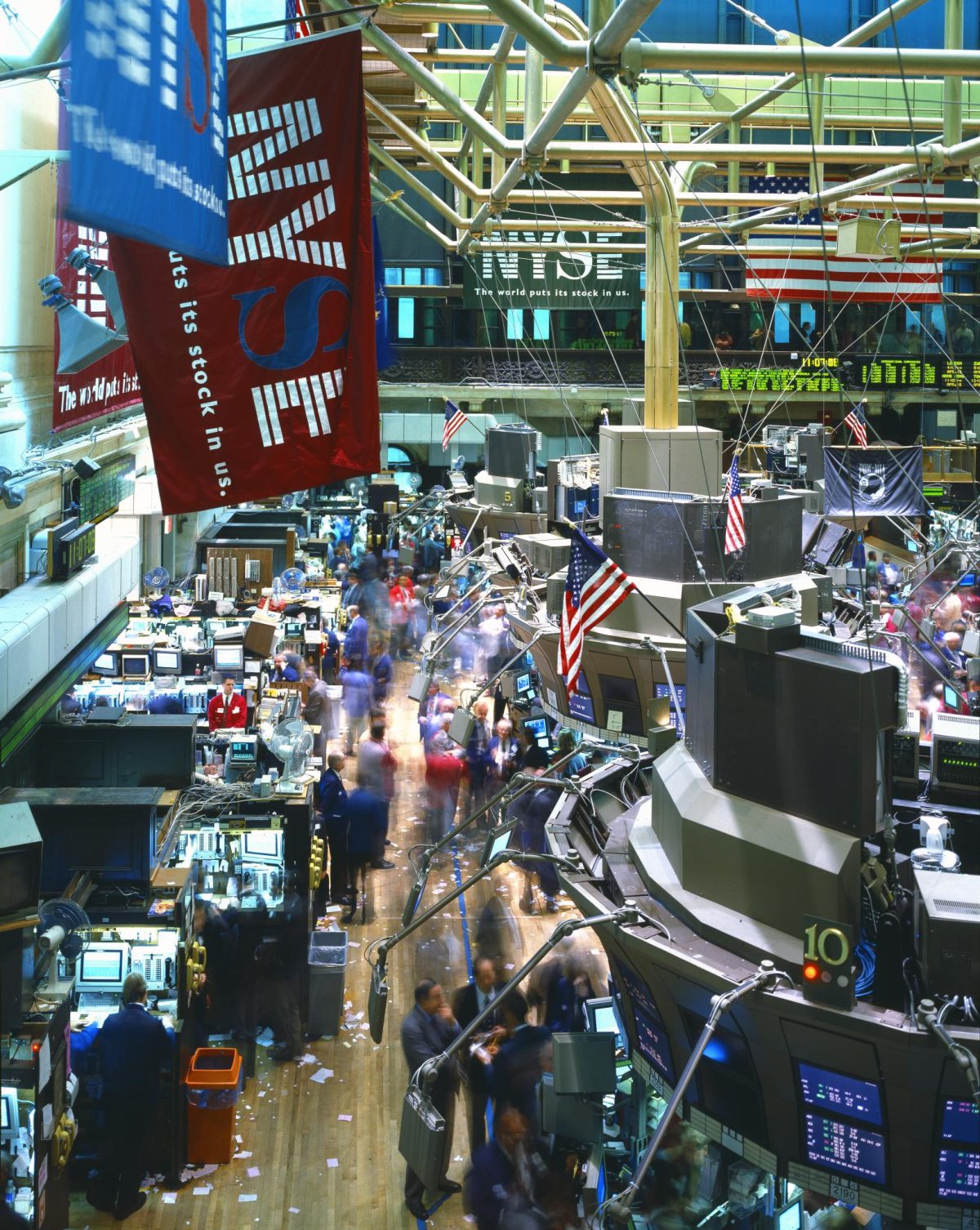
- Lead. The S&P 500 closed at an all-time high of 7,798.99 on August 13, gaining 50.49 points or 0.65%, after wholesale price data came in well below expectations and eased pressure on the Federal Reserve to raise rates next month.
- Fact. The Producer Price Index showed flat month-on-month wholesale prices versus a +0.2% forecast, with core PPI rising only 0.2% against a +0.3% expectation, and the annual headline PPI falling to 4.7% from 5.5% previously.
- Stake. The two-day combination of a benign Consumer Price Index and a soft PPI represents the strongest disinflation signal since June, reinforcing the view that the Fed may be done tightening — though Friday’s retail sales miss complicated the picture further.
The session on August 13 ran in parallel with a continuing slide in oil prices, with Brent crude shedding more than 2% to close at $87.07 per barrel and West Texas Intermediate settling at $81.25. Lower energy prices had already fed into the prior day’s CPI print, and the PPI data confirmed that the disinflationary impulse was broadening into producer costs — a necessary condition for durable easing of consumer prices over the coming months.
Index and Sector Performance
The Nasdaq Composite gained 0.81% to close at 26,803.03, with Meta Platforms, Micron Technology and Netflix among the session’s leading contributors. The Dow Jones Industrial Average edged up 0.13%, or 69.72 points, to 53,839.99. Technology and communications services names captured most of the enthusiasm, while energy stocks lagged as crude fell. Bank of America noted that “the AI investment boom is inflationary in the near-term,” pointing to 1.4% IT commodity price growth that continues to add upward pressure to core goods inflation — a factor that the Fed is watching closely, according to Yahoo Finance’s markets coverage.
The previous closing record of 7,757 — set on August 4 after a weaker-than-expected July jobs report — had already driven down September rate-hike expectations. That earlier record reflected a labour-market-driven reprieve; Thursday’s move was inflation-data-driven, suggesting that two independent signals are now pulling in the same direction for market participants betting the Fed is finished.
Rate Expectations and What Comes Next
Before Thursday’s session, the probability implied by federal funds futures of a 25-basis-point rate hike at the September FOMC meeting had been running at roughly 35–38%. The PPI data moved that estimate lower, and the retail sales miss on Friday trimmed it further. The Fed’s three dissents at its July meeting — each in favour of an immediate hike — remain the clearest evidence that the committee is not yet unanimously comfortable holding. The path through September depends largely on August inflation data, due in the second week of September, and on whether the consumer spending weakness observed in July proves durable.
Applied Materials, up 190% over the prior twelve months, reported results after Thursday’s close and gave the market an additional data point on semiconductor capex demand as it heads into the following week. The AI infrastructure build-out has been the dominant earnings theme for two consecutive quarters, and the degree to which it continues to offset broader consumer-driven slowdown concerns is the central tension shaping equity positioning through the end of summer.