
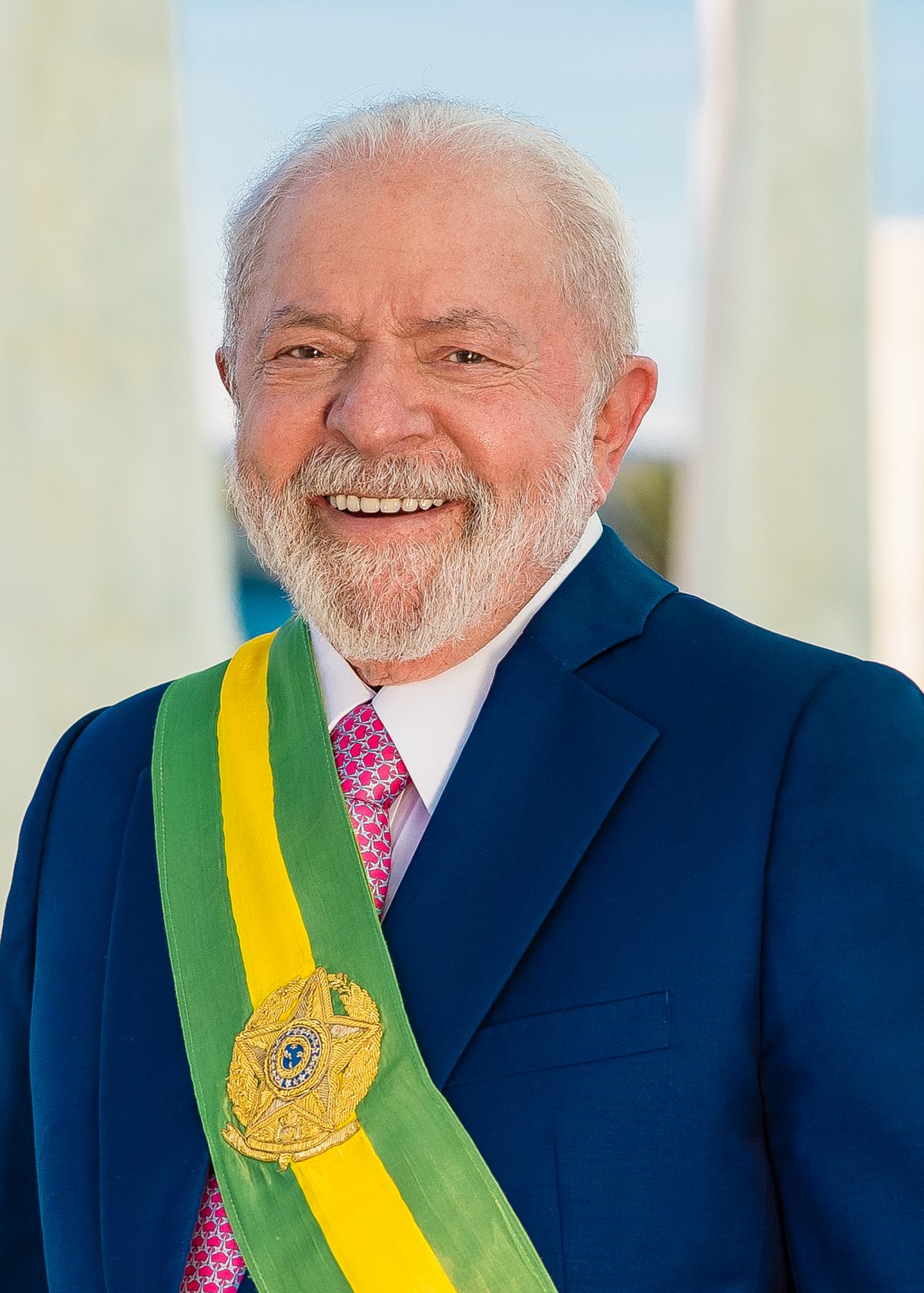
- Statistical tie. A Nexus survey conducted August 21–23 puts President Lula at 46% and Senator Flávio Bolsonaro at 45% in a direct runoff — a one-point gap inside the poll’s two-point margin of error.
- Closing fast. A comparable Nexus poll in July had Lula ahead by four points; that lead has effectively been erased in under a month.
- Ceiling problem. 49% of Brazilians say they would not vote for Lula under any circumstances; 48% say the same of Bolsonaro, signalling that the race may be decided by undecideds and minor-candidate voters in a likely runoff.
With exactly six weeks until Brazil’s first-round vote on October 4, 2026, the country’s presidential contest has tightened into a statistical dead heat. The new Nexus poll — conducted among registered voters from August 21 to 23 — marks the closest the race has been since the campaign season formally opened on August 16, and undercuts any narrative of a comfortable Lula advantage heading into the autumn.
The Numbers and What Drives Them
Thirteen candidates are registered for October’s ballot, but the contest has consolidated around two poles. President Luiz Inácio Lula da Silva is seeking a fourth term after returning to office in January 2023. His projected runoff opponent is Senator Flávio Bolsonaro — the eldest son of former President Jair Bolsonaro — carrying the Liberal Party and the Bolsonarista movement after his father was barred from political office.
The Nexus poll places Lula at 41% in a first-round simulation. In a simulated runoff, the margin narrows to 46% versus 45% — within the survey’s stated error of two percentage points, meeting the standard threshold for a statistical tie. In July, the same pollster had Lula leading by four points in a comparable runoff scenario.
Lula’s administration is viewed unfavourably by 49% of respondents and favourably by 48%. The split reflects persistent dissatisfaction with cost-of-living conditions in Brazil’s major cities, which has been cited by the Nexus firm as the primary driver of Bolsonaro’s August gains. Both candidates carry near-identical hard-no ceilings — 49% against Lula, 48% against Bolsonaro — meaning the race is likely to be decided by voters currently backing smaller candidates.
The Road to October
Brazil’s election law requires a runoff on October 25 if no candidate clears 50% plus one vote outright on October 4. Polling averages reviewed across the AS/COA tracker show neither frontrunner approaching that threshold, making an autumn two-way contest the near-certain outcome. Lula’s earlier polling cushion, which stood at four to five points through early August, has been the defining casualty of the campaign’s opening weeks.
The first major televised debate of the 2026 cycle, held on TV Bandeirantes, did not include any of the three leading contenders. Lula, Bolsonaro, and former Minas Gerais Governor Romeu Zema each declined to participate, leaving the contest’s trajectory more dependent on private polling and local organising than on nationally televised confrontation. The next scheduled debate will be a significant test of whether either frontrunner chooses to engage before the first-round clock runs out.