
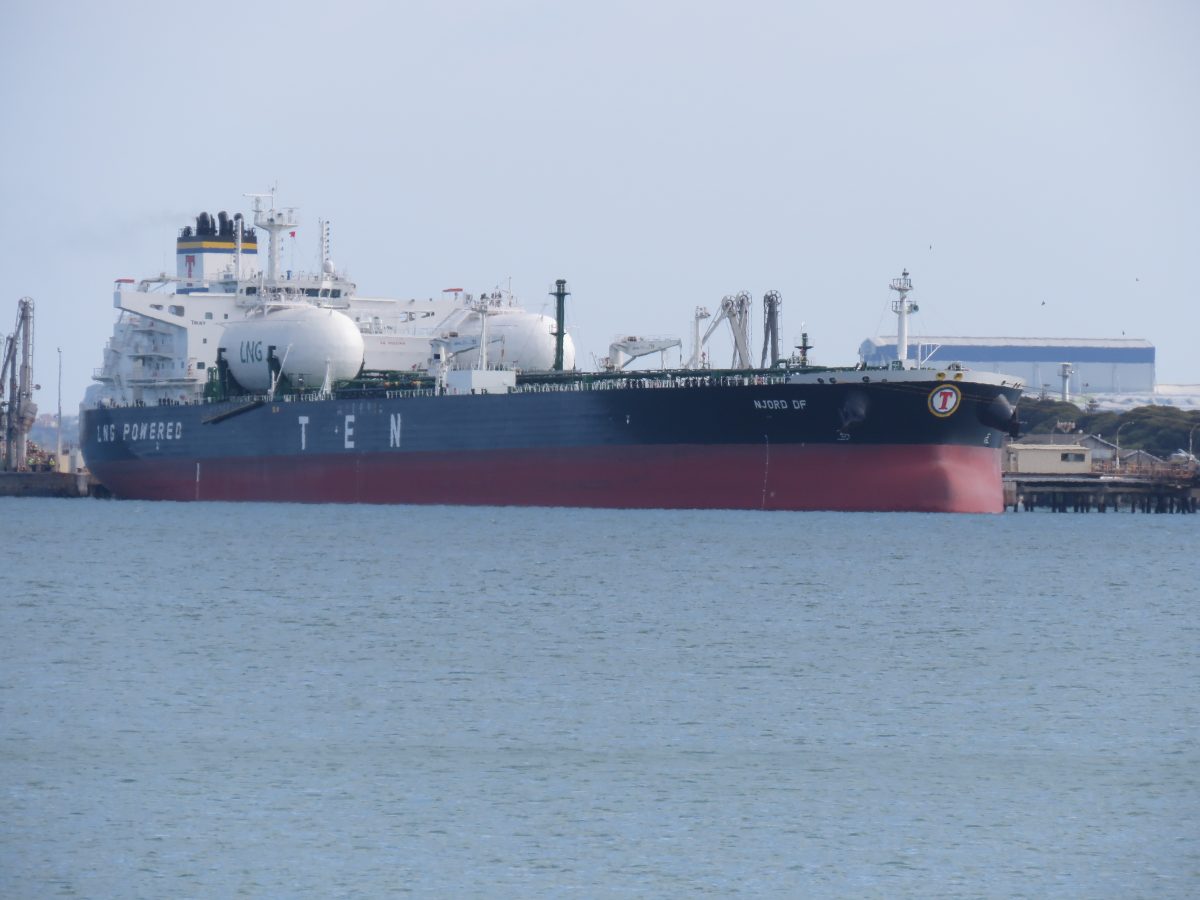
- Parallel economy. China purchased roughly 80% of Iran’s shipped oil in 2025, transacting largely in yuan through independent refiners that operate outside the US dollar system — limiting Washington’s secondary-sanction leverage.
- Military channel. NBC News, citing a European government document, reported in August 2026 that Russia sent drone components, ammunition and TNT to Iran by sea, broadening the relationship beyond energy trade.
- Institutional hedge. Iran is seeking membership in the BRICS New Development Bank, and Russia, China and Iran are expanding bilateral monetary cooperation through their own currencies, constructing longer-term infrastructure to withstand US financial pressure.
When the US Treasury Department unveiled its latest Iran sanctions package on August 20, Treasury Secretary Scott Bessent called the measures an “economic D-Day” and said they would “collapse” the Iranian government. China and Russia responded with their customary criticism of unilateral sanctions. But behind the diplomatic language lies a concrete trade architecture that has hardened through successive campaigns since 2018 and that Washington’s standard toolkit was not designed to dismantle.
China’s Role: The Teapot Pipeline
China’s independent oil refineries — widely known as “teapot” refiners, concentrated in Shandong Province — have been the operational backbone of Iran’s export economy. These facilities transact in yuan, rely little on the US financial system, and have continued purchasing Iranian crude even as Washington blacklisted individual tankers. According to Al Jazeera’s August 20 report, China bought approximately 80% of Iran’s shipped oil in 2025, and that share has not declined despite the Trump administration’s maximum-pressure designation.
Beijing’s Foreign Ministry has characterised the US sanctions as measures that “will not help to solve the issue,” while advocating diplomatic solutions. The official position understates the scale of Chinese commercial interests at stake: Iran represents a deeply discounted oil supply for Chinese refiners and a key node in China’s energy diversification strategy. Offers of Iranian crude to Chinese buyers have tightened as US measures restrict the number of vessels willing to make the voyage, pushing Iranian Light crude’s discount against ICE Brent to a multi-year low of just $0.50 per barrel — a sign that demand from China remains firm even as supply logistics grow more complicated.
Russia’s Dual-Track Support
Russia’s relationship with Iran is both commercial and strategic. The two countries signed a comprehensive 20-year partnership treaty in January 2025, and bilateral trade reached $4.8 billion in the first 11 months of that year. Russia is already under sweeping US sanctions and operates largely outside the US-led financial framework, making secondary-sanction threats carry diminishing deterrent value against Moscow specifically.
The military dimension adds a different layer. NBC News reported, citing a document from a European government, that Russia transported drone components, ammunition and TNT to Iran by sea in August 2026. Combined with the existing Caspian Sea logistics corridor — which Ukraine attempted to disrupt earlier this year — the flows suggest the two countries have constructed supply lines designed to be resilient against Western interdiction. Iran’s Foreign Minister Abbas Araghchi has characterised the US campaign as “economic terrorism” representing “failed policies.”
The Structural Limits of Pressure
The Trump administration’s primary escalation tool is secondary sanctions: threatening to cut off any country or company that provides Iran with an economic lifeline. That threat carries weight against smaller economies or companies with significant US dollar exposure. It carries far less weight against China and Russia, which have spent years reducing their exposure to US-controlled financial infrastructure.
Iran is actively seeking membership in the BRICS New Development Bank to access alternative financing channels. Russia, China and Iran are expanding bilateral and trilateral monetary cooperation using their own currencies. Washington’s declared goal of the toughest sanctions in history is thus running into the structural reality that the two countries with the most influence over Iran’s survival are also the two least susceptible to US financial pressure — a constraint that no amount of escalation rhetoric has yet resolved.