
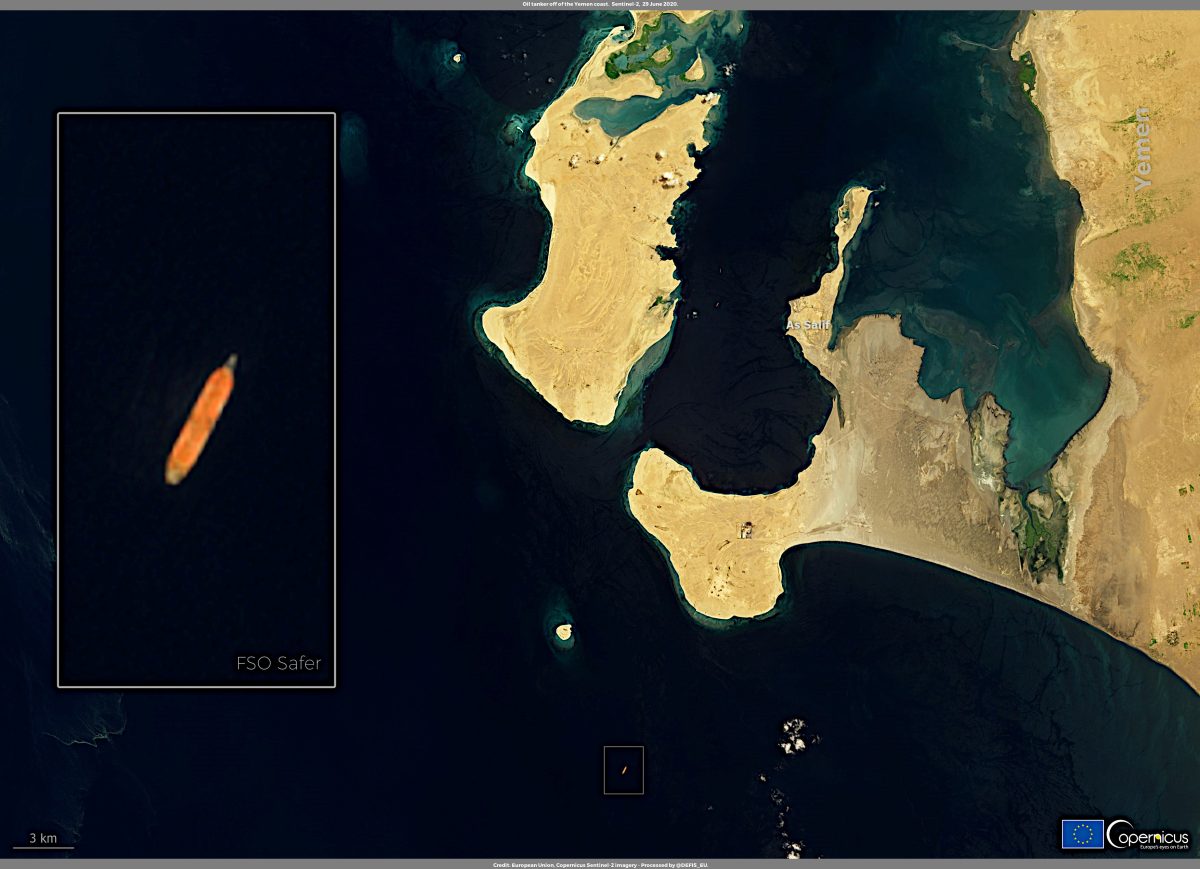
- Lead. Brent crude settled at $91.05 a barrel on Tuesday—its highest close since June 10—after Yemen’s Houthis announced a naval blockade of Saudi Arabia, adding the Bab al-Mandeb strait to an oil-supply risk picture already dominated by the Strait of Hormuz closure.
- Fact. Two Saudi crude tankers bound for China and India reversed course in the Red Sea on Tuesday; the Caspian Pipeline Consortium separately halted loadings at its Black Sea terminal, removing supply from two directions simultaneously.
- Stake. Brent has climbed roughly 20% this month as US-Iran fighting has escalated. Combined disruption of Hormuz and Bab al-Mandeb would affect an estimated 25% of global oil and gas supply.
Tuesday’s Price Action
Brent crude futures rose $1.83, or 2.1%, to settle at $91.05 a barrel on Tuesday, its highest close since June 10. US West Texas Intermediate gained $1.92, or 2.3%, to settle at $85.15, its highest since June 11. Brent entered technically overbought territory for the seventh consecutive session—the longest such run since June 2025—reflecting sustained buying pressure rather than a one-day spike. Reuters and GV Wire reported the settlement levels, citing the tanker reversals and the Houthi announcement as primary drivers.
The Physical Market Responds
Beyond futures, the physical crude market showed immediate signs of disruption. Two Saudi oil tankers carrying crude for China and India reversed course in the Red Sea following the Houthi declaration, rerouting toward the Suez Canal. The reversal is significant because Saudi Arabia had sharply increased exports from its Red Sea port of Yanbu in recent months—recent shipments averaged four million barrels per day, up from under one million barrels daily a year earlier—as shippers sought to bypass the Strait of Hormuz. A Houthi blockade of the Bab al-Mandeb targets that rerouting strategy directly.
The Caspian Pipeline Consortium, meanwhile, announced it was halting tanker loadings at its Black Sea terminal after separate tanker attacks, removing another supply stream from the market on the same day. Saudi crude oil exports had already fallen to record lows for a third consecutive month in May, limiting the kingdom’s ability to use spare capacity as an offset. Brent was already trading above $87 last week as the US-Iran exchange intensified; Tuesday’s close extends a month-long run that has added roughly 20% to crude prices.
Analysts Weigh Enforcement Risk Against Market Psychology
The Houthis have not specified how they intend to enforce the blockade, and their naval assets are limited relative to the volume of commercial traffic through the 29-kilometre strait. But enforcement ability and market impact are different questions. Tanker operators and commodity traders priced in supply-disruption risk immediately rather than waiting for evidence of physical interdiction—the same dynamic that drove prices on earlier Houthi announcements targeting Red Sea shipping in 2023 and 2024.
One analyst quoted by Reuters framed the binary outcome: the Houthi move is either “a last attempt to strengthen the negotiating position” ahead of any resumed Iran-US talks, or “a more prolonged stalemate, with continued uncertain energy flows, higher oil prices and recurring attacks.” At least three oil tankers caught fire near the Strait of Hormuz during the US-Iran overnight exchange, with US forces striking Bandar Abbas, Qeshm Island, Shiraz, and Isfahan, and Iran retaliating against US positions in Bahrain, Kuwait, and Jordan.