
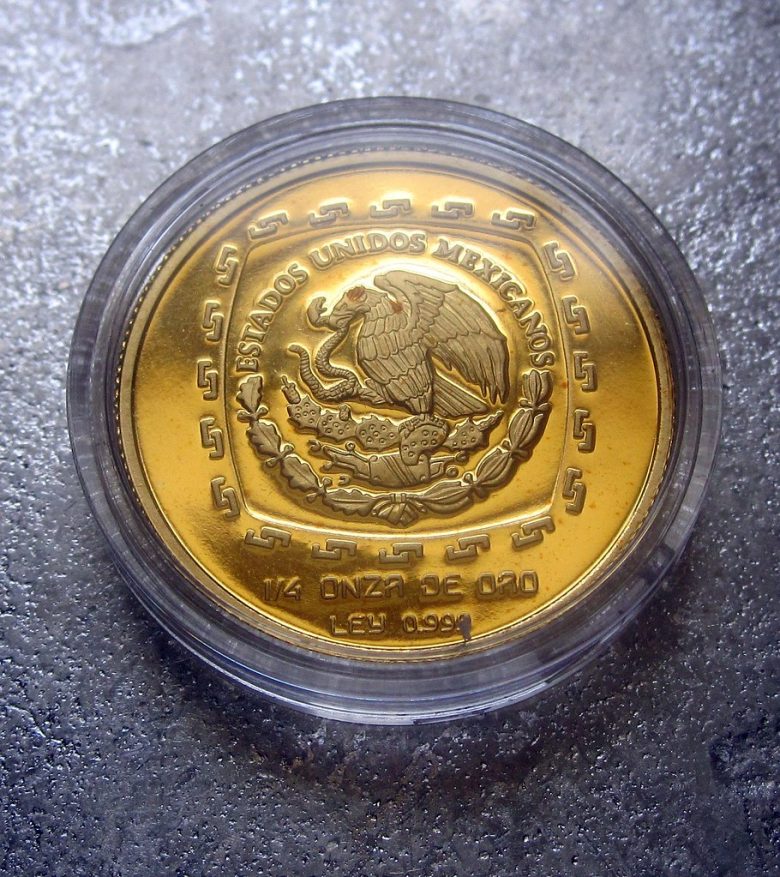
- Gold’s January 2026 high of $5,589 per troy ounce was driven by Iran-war uncertainty, central bank buying, and flight from currency risk. The subsequent pullback reflects changed interest rate expectations rather than reduced underlying demand.
- J.P. Morgan Global Research forecasts gold reaching $5,000 by Q4 2026 and $6,000 longer term. The bull case rests on sustained central bank accumulation, continued geopolitical risk, and eventual rate cuts.
- The bear case is that the Fed’s extended pause — and Kevin Warsh’s hawkish reputation — pushes real yields high enough to make non-interest-bearing gold structurally less attractive through the year.
Gold traded at approximately $4,707 per troy ounce on May 12, 2026, down from a record high of $5,589 reached in January at the height of post-Iran-war safe-haven demand. The 16 percent pullback tracks closely with two developments in US monetary policy: the Federal Reserve’s decision to keep rates at 3.50–3.75 percent for a third consecutive meeting, and growing market conviction that the next move may not be a cut at all. Bank of America’s analysts forecast no cuts through the end of 2026, with the CME FedWatch tool pricing the next reduction for mid-to-late 2027.
The mechanism is straightforward. Gold pays no yield. When real interest rates rise — or when the expectation of falling real rates disappears — the opportunity cost of holding gold increases relative to Treasury bonds or cash. The January high reflected maximum uncertainty about the rate path; the May level reflects a market that has resolved much of that uncertainty in the hawkish direction, largely because Middle East energy costs are keeping inflation elevated.
The World Gold Council’s Q1 data
Gold demand data for Q1 2026 published by the World Gold Council showed central bank buying remained strong — a multi-year trend in which emerging market central banks have been diversifying reserves away from dollar-denominated assets. China, India, Poland, and Turkey have been the most consistent buyers. ETF flows were positive but modest, as institutional investors who entered the gold trade in 2025 took some profits near the January peak without fully exiting their positions.
Physical demand from jewellery — primarily India and China — softened slightly at prices above $5,000, as consumers proved more price-sensitive than the pandemic era had suggested. That softness at the margin was one factor in the January-to-May correction, alongside the rate repricing.
The path to $5,000 again
J.P. Morgan’s forecast of a return to $5,000 by Q4 2026 rests on two conditions: that the Iran conflict eventually moderates enough to allow the Fed to resume cutting, and that central bank demand remains structurally elevated as reserve managers continue moving away from dollar concentration. Both conditions are plausible; neither is assured. Institutional analysts note that the bull thesis hinges on whether the Fed — under Warsh — can credibly signal a pivot without triggering a bond market selloff that would itself constrain the gold rally. The gold market, in short, is waiting for the same signal that every other rate-sensitive asset class is waiting for.