
- At below $65 per barrel, Brent is pricing a world of sufficient supply despite significant geopolitical disruption. Saudi Arabia’s budget breakeven of approximately $80 per barrel means Riyadh is running a deficit at current prices.
- The UAE’s departure from OPEC+ removes a producer with 4.8 million barrels per day of capacity from the cartel’s compliance architecture, weakening its ability to support prices through coordinated cuts.
- IEA data for 2026 shows demand growth of only 900,000 barrels per day — the weakest annual increase since the 2020 COVID contraction — driven by tariff-related slowdown and accelerating energy transition in European and Chinese markets.
Brent crude traded at approximately $63 per barrel in the second week of May — a price that simultaneously reflects a geopolitical risk premium from Iranian activity in the Strait of Hormuz and a demand discount from slowing global economic growth. Before the Iran war began in February, analysts had expected the conflict to push prices to $80 or $90. Instead, a confluence of factors has kept the market below $70: the UAE’s OPEC exit, weak Chinese and European demand, and the significant production capacity that Saudi Arabia, Iraq, and Russia hold in reserve.
J.P. Morgan’s commodities team forecast Brent averaging $58 per barrel for the full year 2026 — a figure that would represent a material budget shortfall for Saudi Arabia and could eventually force Riyadh to either increase its own production to compensate for lower per-barrel revenue, or deepen cuts in the hope that a smaller OPEC can still set market-clearing prices. Neither option is comfortable. The former risks a price war; the latter requires a coalition that is visibly fracturing.
The trading picture
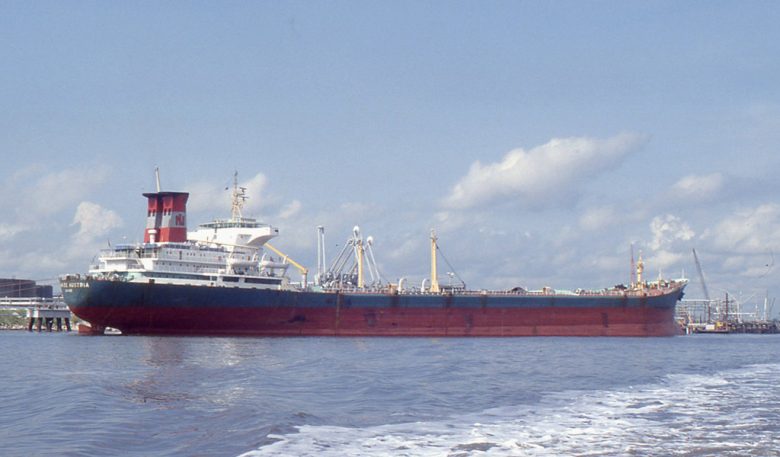
Oil volatility has been elevated since February, with intraday swings of $5 to $10 per barrel driven by reported incidents in the Strait. Tanker operators have responded by rerouting around the Cape of Good Hope, adding 10 to 14 days to delivery times. This rerouting has absorbed spare tanker capacity and lifted shipping rates significantly, but it has also demonstrated that the global oil supply system can route around the Strait at a cost — without the catastrophic price spike that a full closure would cause.
The futures curve tells a specific story. Front-month contracts are trading at a modest backwardation to deferred contracts — buyers pay a premium for oil now versus future delivery — consistent with the disruption premium. But the backwardation is shallow by historical standards for a war in a major oil-producing region, suggesting the market assigns meaningful probability to the conflict being resolved or contained before it causes permanent supply disruption.
What Saudi Arabia is watching
Riyadh’s primary concern is whether the OPEC+ architecture survives the UAE’s exit in a form that can still defend Saudi price targets. If other members follow Abu Dhabi’s lead — Kuwait and Iraq have both expressed impatience with quota constraints — OPEC+ could devolve into a monitoring body rather than a price-setting one, ending six decades of organised production management. The organisation that survived the 1970s oil shocks, the 2008 financial crisis, and the 2020 COVID collapse now faces a structural challenge from within at the worst possible moment.