

Trump announced a deal to buy Russian diesel on 9 October as US pump prices reached $6.27 per gallon, issuing a Treasury general licence to authorise the trade.
Tag: energy
Posted inEconomy
Eurozone Inflation Hits 3.8% in September on 18.8% Energy Surge
Euro area consumer prices rose to 3.8% in September 2026, their highest since September 2023, with energy costs up 18.8% year-on-year as Middle East conflict keeps oil prices elevated.
Posted inEconomy
Europe Heads Into Winter With Gas Storage at 59%, the Lowest in Five Years
European natural gas prices have climbed to EUR 60 per megawatt-hour as underground storage levels reach just 59 percent of capacity in late August—far short of the EU’s 90 percent target—raising the risk of winter supply rationing and another inflation surge.
Posted inGeopolitics
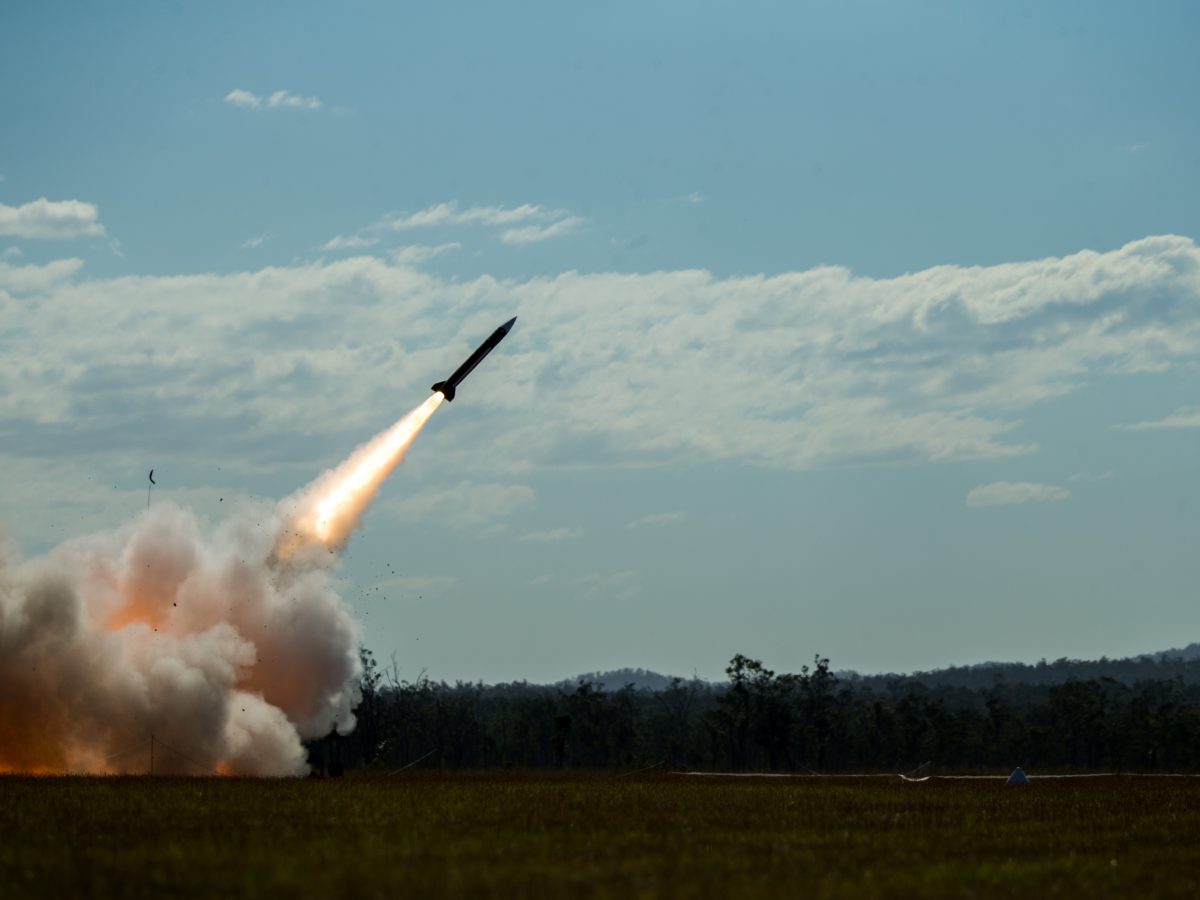
Russia Plans Kyiv Energy Strikes Before Ukraine’s Independence Day
Russia is preparing large-scale strikes on Kyiv’s power grid before August 24, exploiting Ukraine’s acute shortage of Patriot ballistic missile interceptors at the worst possible moment.

Posted inEconomy
Eurozone Inflation Climbs to 2.9% in July as Energy Prices Surge 10%
Eurostat’s flash estimate shows eurozone annual inflation edging up to 2.9% in July, driven by a 10% year-on-year jump in energy prices, complicating the ECB’s path back toward its 2% target.
Posted inMarkets
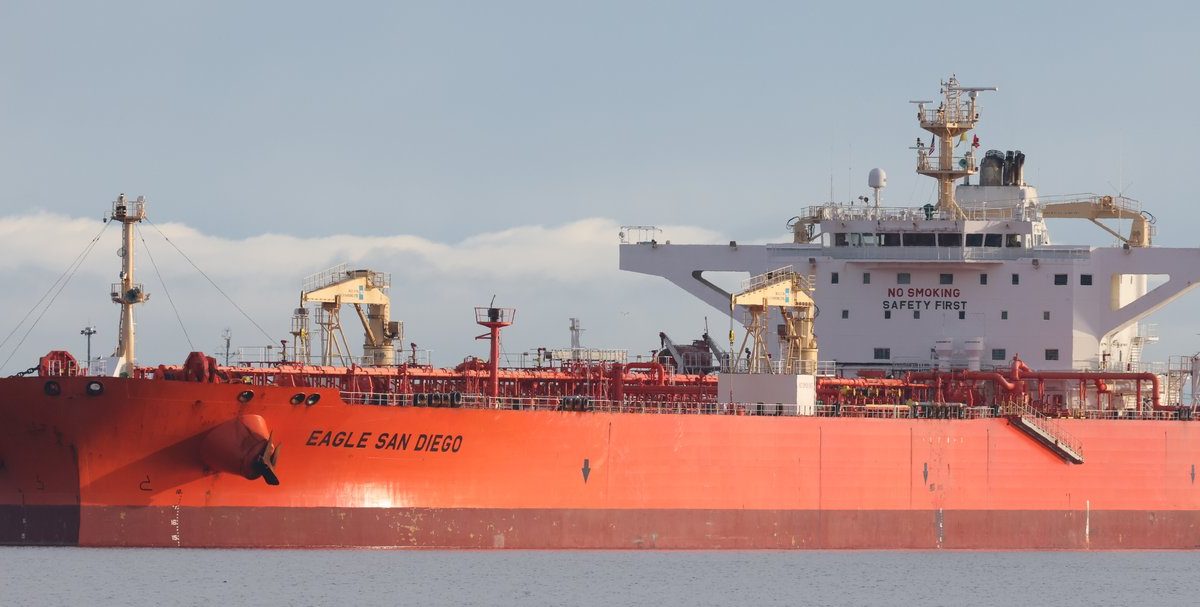
Brent Crude Falls 5% as Iran-US Pause Eases 13-Day Supply Threat
International oil benchmark Brent crude fell roughly 5% on July 27 after the US halted strikes on Iran and Tehran signalled it would reciprocate, reversing part of the war-driven premium that had pushed prices above $100 a barrel.
Posted inEconomy
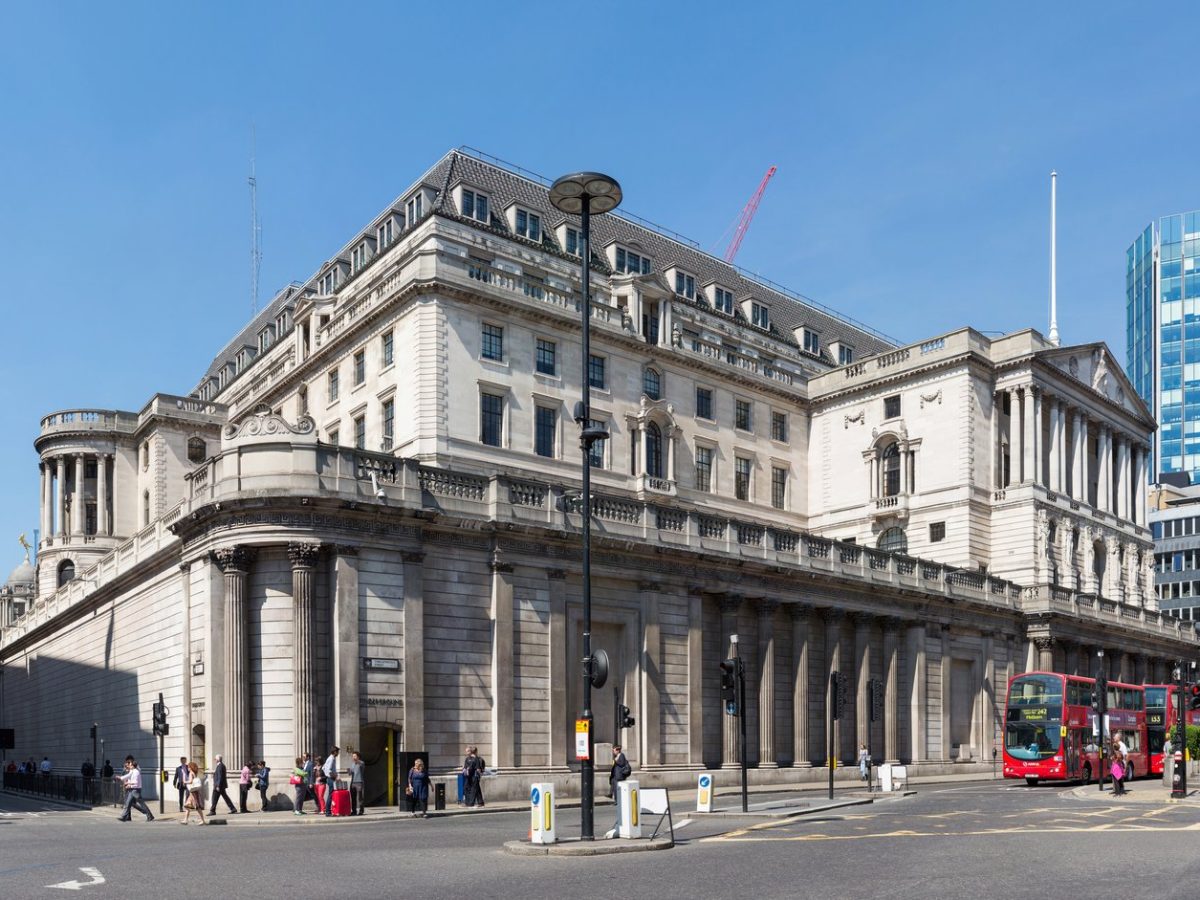
UK Inflation Falls to 2.6% in June as Diesel and Food Prices Cool
UK consumer price inflation eased to 2.6% in June 2026, its lowest reading since March 2025, driven by falling diesel pump prices and the softest food inflation since August 2024, though services costs held firm at 3.6%.

Posted inWorld
Cuba’s Grid Collapses for the Fifth Time in 2026
Cuba’s national electrical system failed again on Tuesday as fuel starvation leaves a grid running at less than 30 percent of demand with no margin for error.
Posted inMarkets
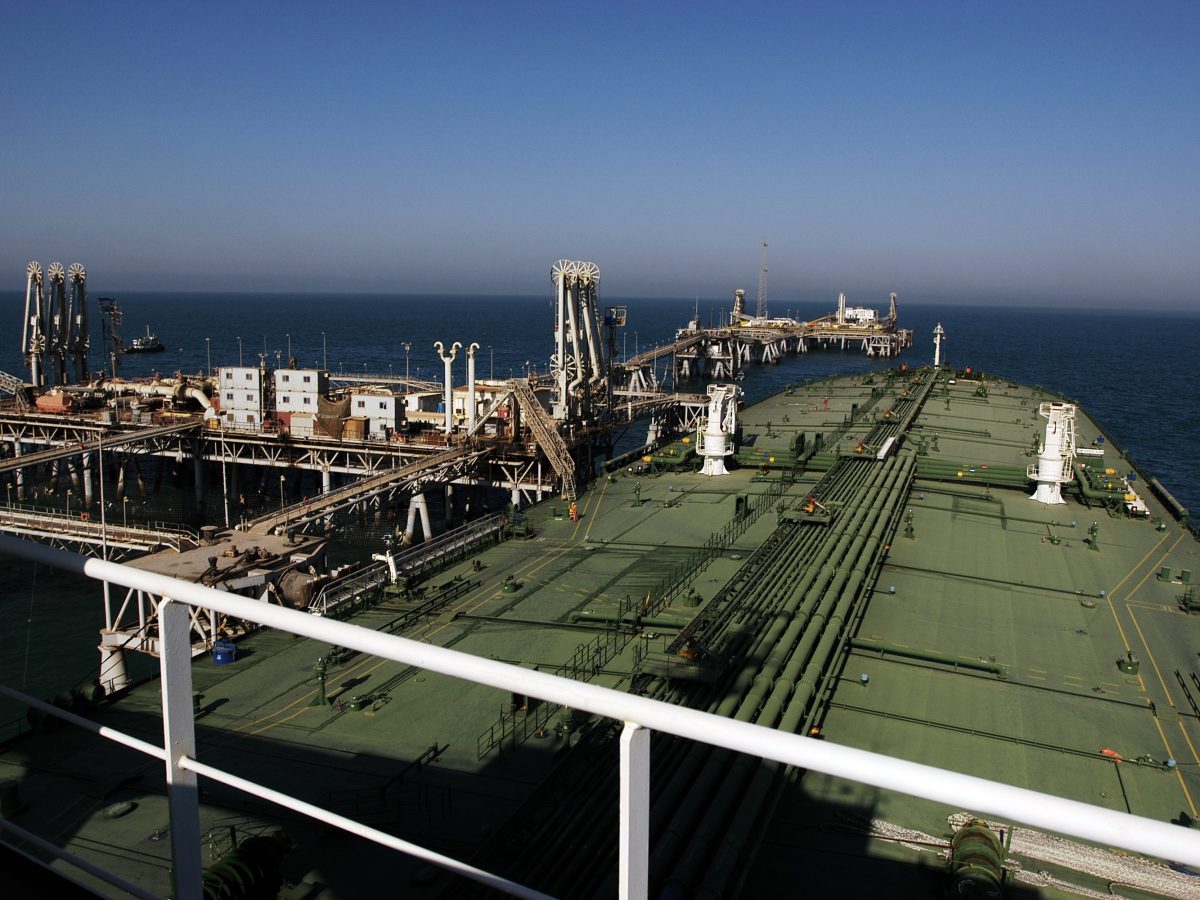
Oil slides below $90 as Energy Secretary signals Hormuz traffic is rising
US crude settled at $88.20 a barrel on June 9 after Energy Secretary Chris Wright said Hormuz ship traffic is rising meaningfully, as Iran and Israel agreed to halt their latest exchange of strikes.

Posted inEconomy
OECD cuts global growth forecast to 2.8% as Iran war energy shock deepens
The OECD’s June 2026 Economic Outlook cut its world GDP growth forecast to 2.8% and warned that a prolonged Strait of Hormuz blockage could reduce output to 2.1% while pushing global inflation above 4%.