
- Lead. SK Hynix’s American depositary shares priced at $149, raised $26.5 billion, and closed their first trading day on July 10 at $168.01 — a 13% gain — making it the largest-ever foreign IPO on Wall Street, surpassing Alibaba’s 2014 listing.
- Fact. Shares opened at $170, touching $174.50 intraday for a peak gain of 17%, before closing at $168; the company’s chairman told CNBC the day of listing: “demand is enormous.”
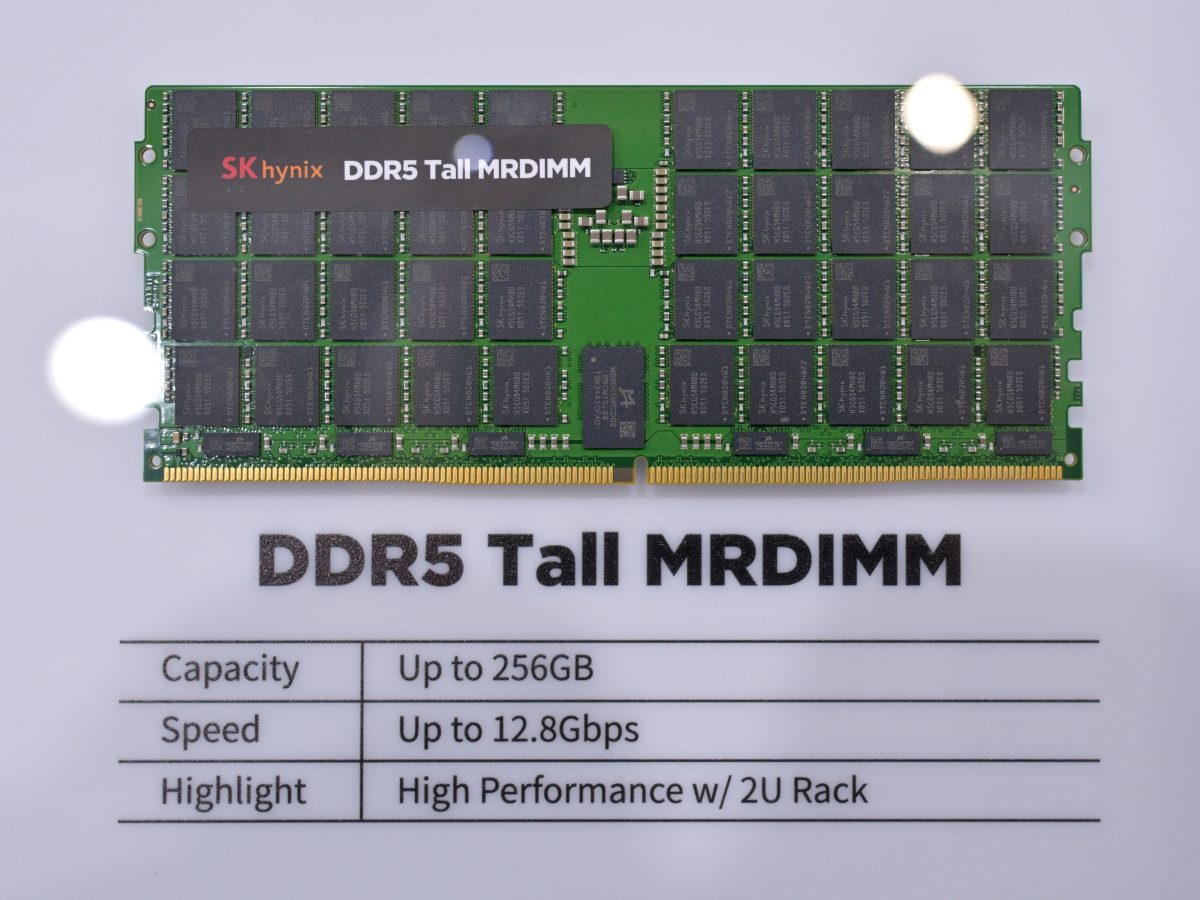
- Stake. SK Hynix supplies the dominant share of high-bandwidth memory chips used in Nvidia’s AI accelerators; the debut signals that US investors want direct exposure to the hardware layer of the AI buildout, not just the model companies.
The listing, under the ticker SKHY on the Nasdaq, came after SK Hynix executives spent weeks on a roadshow emphasising the company’s position as the leading supplier of HBM3E — the stacked memory chips that Nvidia bundles into its H100 and Blackwell graphics processors. That positioning resonated: demand for the offering was heavily oversubscribed, allowing underwriters to price at the top end of the range.
Why the $26.5 billion number matters
The raise exceeds Alibaba’s September 2014 IPO by a meaningful margin in nominal terms, completing a milestone that SK Hynix had been working toward for months since announcing its intention to list in the United States. The capital will fund a major expansion of production capacity, covering new fabs and advanced packaging lines needed to keep pace with AI server makers’ memory requirements, which analysts expect to grow faster than any other semiconductor segment through 2028.
The proceeds will also help SK Hynix cover the cost of transitioning to next-generation HBM4 production, which demands tighter integration between memory stacks and logic chips. That architectural shift is expensive and technically demanding, but it is the frontier where SK Hynix is competing directly against Samsung and Micron for Nvidia design wins.
Market context and what the debut signals
The broader market provided a supportive backdrop. The S&P 500 closed at 7,575 and the Nasdaq at 26,281 on July 10, both modestly higher, as investors looked past fresh Middle East tensions and focused on the approaching earnings season. Within that environment, SK Hynix’s 13% first-day gain was notable even by the standards of recent technology IPOs: it attracted buyers who see a direct path from memory chip revenue to AI infrastructure expansion, without the valuation uncertainty that surrounds software and model companies.
Micron, SK Hynix’s closest US-listed competitor, gained modestly in sympathy trading, reinforcing the view that investors are treating the memory sector as a core infrastructure play rather than a cyclical commodity business. For SK Hynix, the Wall Street listing also provides a currency — its ADRs — that it can use in future acquisitions or strategic partnerships in the US market, where its customers are concentrated.