
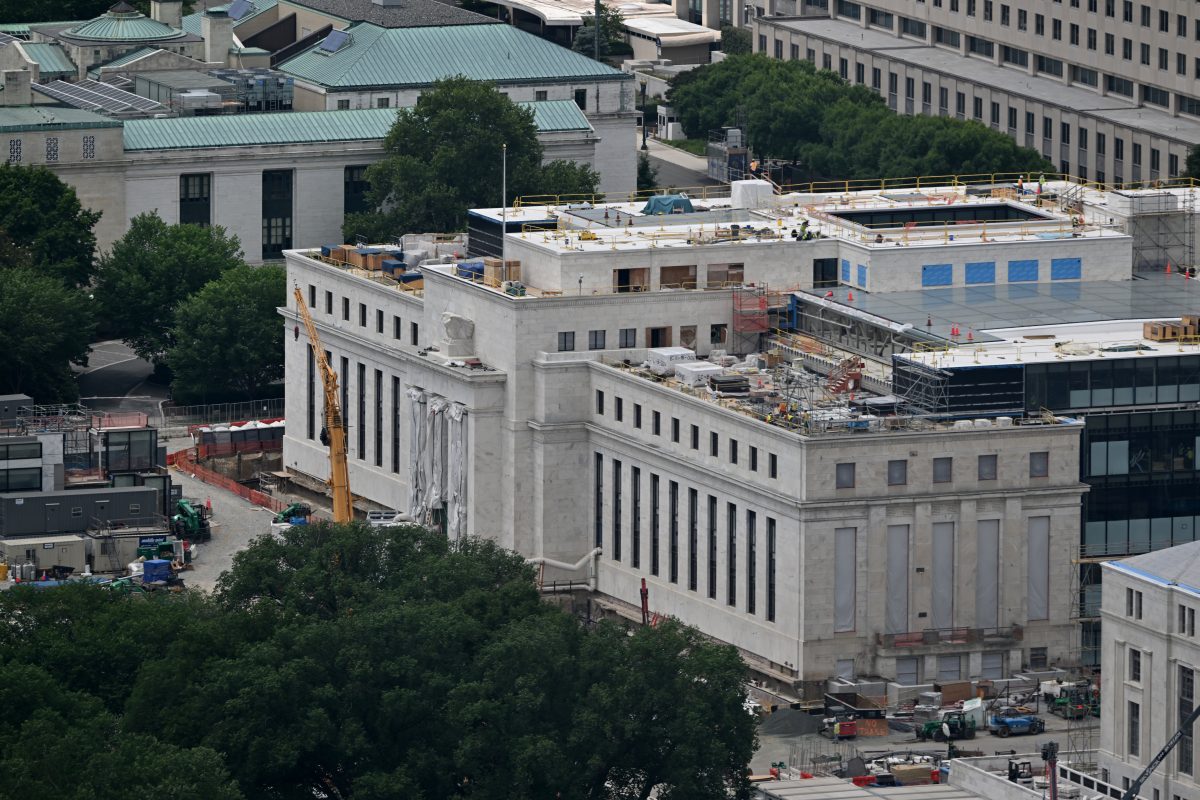
- Debut. July 14 marks Fed Chair Kevin Warsh’s first semiannual testimony before Congress — the most closely watched set-piece in the central bank calendar — followed the next day by the Senate Banking Committee.
- Timing. June CPI data is scheduled for release at 8:30 a.m. ET on July 14, just 90 minutes before the House Financial Services Committee hearing begins, making it nearly impossible for Warsh to avoid direct questions about the latest inflation print.
- Stakes. Markets are watching for any signal on whether the Fed will deliver its first rate hike of the year at the September FOMC meeting, with the Fed funds rate currently held at 3.50–3.75% for a fourth consecutive meeting.
Federal Reserve Chair Kevin Warsh is set to appear before the House Financial Services Committee on Tuesday and the Senate Banking Committee on Wednesday in what amounts to his inaugural public accounting to Congress since taking the chair role, according to Bloomberg. The two-day testimony follows the semiannual Monetary Policy Report submitted to Congress last week.
A debut under pressure
The timing of the testimony is unusually charged. The Bureau of Labor Statistics is scheduled to release June CPI data at 8:30 a.m. ET on Tuesday — 90 minutes before Warsh is due to face the House panel. That sequencing means the first questions from lawmakers will almost certainly demand his immediate reaction to a fresh data point that neither he nor markets will have had time to fully digest.
Economists surveyed ahead of the release expect June headline CPI to show an annual rate of 3.8%, down from 4.2% in May, with monthly core inflation ticking up slightly to 0.22% from 0.20%. If the print comes in above expectations, the committee hearing could become significantly more adversarial, particularly given that the Fed removed its forward guidance in Warsh’s June debut, leaving markets without a clear policy anchor.
What markets are watching
The central question investors want answered is whether Warsh will signal anything about a September rate hike. Internal Fed divisions remain visible: some officials supported raising rates at the June meeting, while others argued for holding. The Fed’s preferred inflation gauge, core PCE, rose 3.4% in the twelve months to May — well above the 2% target.
Warsh has publicly stated that inflation is “too high” while declining to commit to a specific timeline for rate adjustments. His congressional appearances are unlikely to depart from that position, but any shift in language — particularly around AI infrastructure investment as an inflationary force, tariff pass-through effects, or the labour market — will be parsed closely for what it implies about the September meeting.
The inflation backdrop
The Fed’s July Monetary Policy Report to Congress flagged that price pressures have become more widespread, with transportation, airfares, and petrochemical inputs all contributing to stickiness above target. Energy supply disruptions linked to ongoing Middle East tensions have also complicated the picture, preventing the kind of disinflation that central bank models had initially projected for the second half of 2026.
The producer price index for June, due Wednesday, is forecast to have fallen 0.2% month-on-month but to remain up 6.2% year-on-year — a gap that reflects persistent upstream cost pressures even as some end-consumer prices ease. Warsh’s first congressional session will be watched as much for what he says as for how he handles a political chamber increasingly impatient with inflation that has now stayed above 3% for a sustained period.