
- Attack. Houthi forces struck King Khalid International Airport in Riyadh on Saturday, also hitting a nearby Saudi Aramco fuel depot — the first attack on the Saudi capital since the height of the US-Iran war in March and April.
- Oil. Brent crude settled at $103.06 after a three-day slide, down 0.78% on the session, as diplomatic signals from Beijing tempered the geopolitical premium.
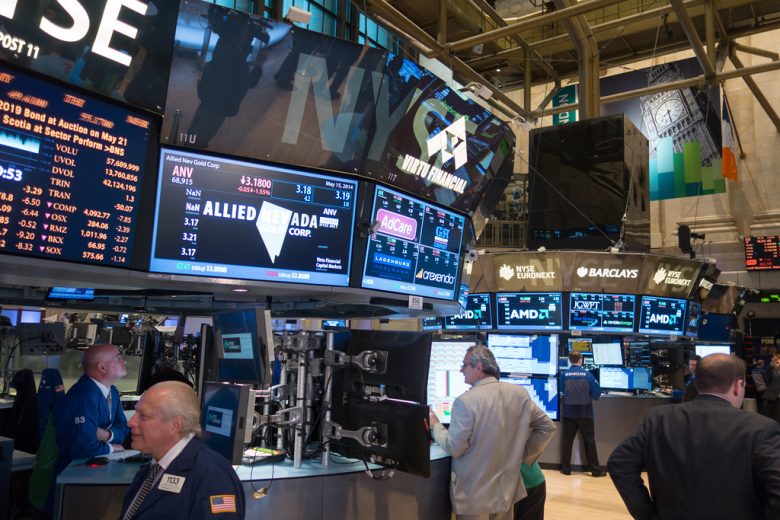
- Markets. US equity futures nudged higher early Sunday, with S&P 500 contracts up 0.3% and Nasdaq 100 contracts up 0.4%, as traders priced in diplomacy progress ahead of the Xi-Trump summit scheduled for Thursday.
The Houthi movement claimed responsibility Saturday for a drone strike on King Khalid International Airport in Riyadh and a Saudi Aramco fuel depot in the capital’s vicinity, marking the first time Riyadh itself has been targeted since the most intense phase of the US-Iran conflict earlier this year. Saudi authorities issued air-raid alerts across the capital — the first since March and April — and extended warnings to Red Sea hub cities including Yanbu.
Oil Market Response
Brent crude futures fell 81 cents, or 0.78%, to $103.06 a barrel at 0031 GMT on Sunday, extending a three-session losing streak even as the Riyadh strike introduced fresh supply-side anxiety. West Texas Intermediate traded below $100. The muted upward impulse from the attack reflected a countervailing force: reports that China had formally asked Iran to help rein in the Houthis following a direct appeal from Riyadh to Beijing. If verified, that request would represent China deploying its Iran relationship as a pressure channel — a significant diplomatic step given Beijing’s established reluctance to take sides in the conflict.
Brent had touched $108 during earlier escalation phases of the US-Iran tanker war. The previous peak came as Iran shot down US drones and a tanker burned off Oman. Saturday’s strike on the Saudi capital is geographically more significant — Riyadh is not a Red Sea export hub — but the market appears to be weighing diplomatic trajectories alongside the escalation risk.
Equities and the Pre-Summit Positioning
US equity futures edged up as traders looked past the weekend attack and focused on the Xi-Trump summit set for September 24 in Washington. S&P 500 futures added 0.3% in early Sunday trading after the underlying index had eked out a small gain on Friday. Nasdaq 100 futures rose 0.4%. The mood reflects cautious optimism about trade-war de-escalation, with Chinese and American officials actively shuttling between capitals ahead of the meeting. National Security Adviser and Treasury Secretary candidates on both sides have been visible in pre-summit consultations, with rare-earth supply chains and technology export controls among the agenda items.
The proximity of a geopolitical shock — the Riyadh airport attack — and a potential diplomatic breakthrough in the same 48-hour window illustrates the current volatility structure of markets: acute event risk on one axis, macro de-escalation hope on the other. Oil’s net direction on the week will likely be determined more by what Trump and Xi agree on Thursday than by the Houthi attack on Saturday.
Saudi Aramco and Downstream Risk
The Aramco fuel depot targeted in Saturday’s strike was not identified by name in initial reports. Saudi Aramco’s main export terminals and refineries are concentrated in the Eastern Province, geographically distant from Riyadh. An attack on logistics infrastructure in the capital creates headline risk and disruption at the margins without threatening core export capacity. Saudi Arabia’s East-West Pipeline, which was shut briefly in an earlier Houthi strike, remained operational as of Sunday morning according to energy tracking services. Whether the Houthis escalate further toward energy infrastructure or shift back to maritime targets will be the key variable for oil prices in the days ahead.