
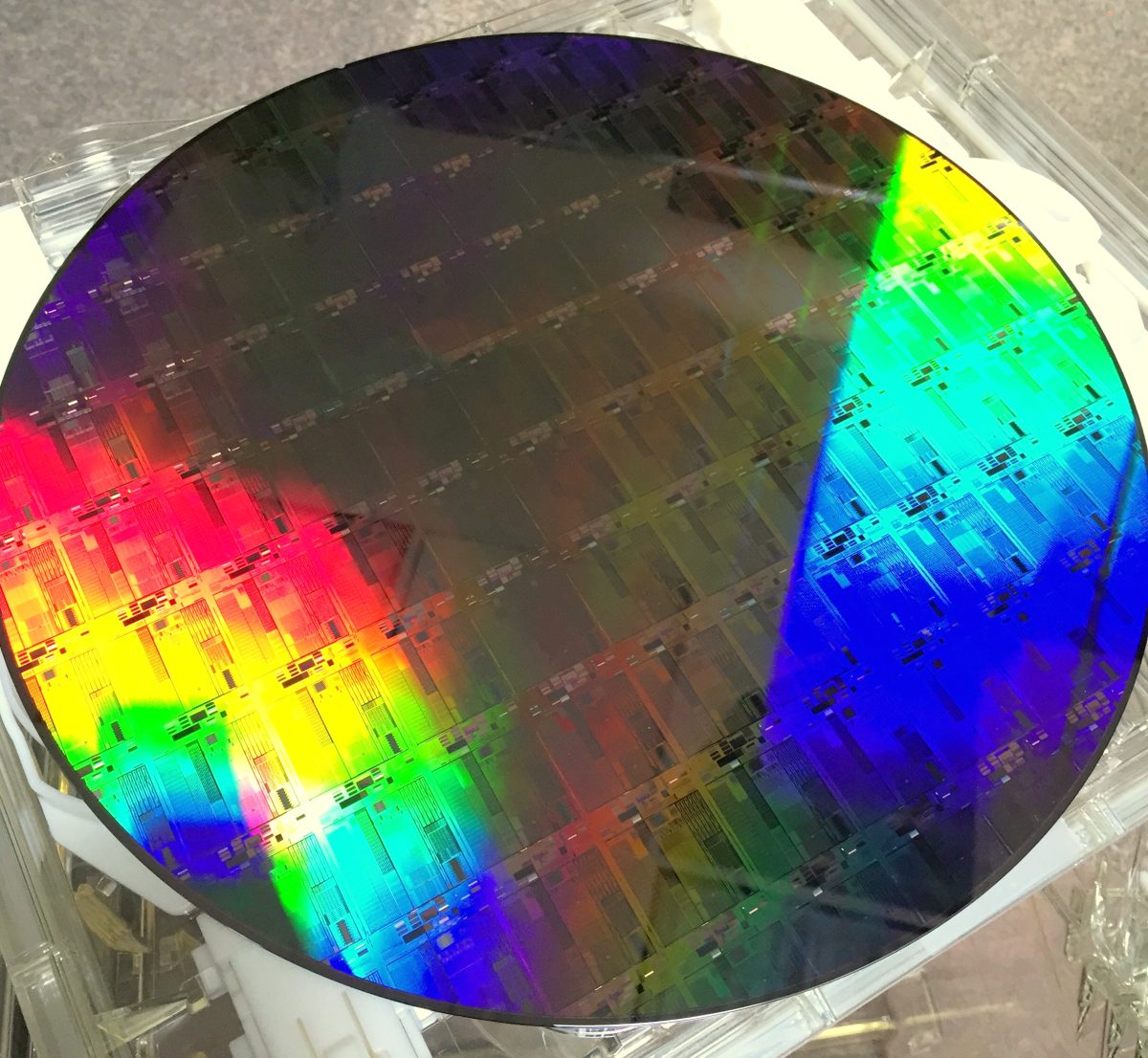
- Lead. Intel announced on 13 July a €5 billion ($5.7 billion) capital investment at its Leixlip campus in Ireland, the company’s largest single commitment to European manufacturing in several years and a direct response to surging demand for AI data-centre processors.
- Fact. The investment will expand production of Intel Xeon 6 and next-generation Xeon chips built on the Intel 3 process node, using existing cleanroom space at Leixlip rather than breaking new ground—meaning volume can ramp without waiting for a greenfield build.
- Stake. For Europe, the announcement reinforces Ireland’s position as the continent’s primary advanced semiconductor manufacturing site at a moment when the EU is pushing hard for supply-chain independence from Asian fabs; for Intel, it signals continued commitment to its foundry business even as the company’s share price fell nearly 7% on the news, a reaction analysts attributed to near-term cost concerns rather than doubts about long-term demand.
Intel’s announcement on 13 July confirmed a €5 billion capital expenditure programme at its Leixlip, County Kildare campus—the site where Intel has operated fabs since 1989 and where it now employs 4,900 people. The investment covers upgrades to existing fabrication facilities and the installation of leading-edge manufacturing equipment to increase capacity for AI and high-performance computing products.
What Intel Is Building and Why
The primary products coming off the Leixlip line will be Intel Xeon 6 processors and the next generation of Xeon built on the Intel 3 node—Intel’s most advanced process available in volume production outside of a joint arrangement with TSMC. Demand for Xeon in AI factories, which use large clusters of server CPUs alongside GPU accelerators, has been rising sharply as hyperscalers and enterprise customers race to build inference infrastructure.
Naga Chandrasekaran, Intel’s chief technology officer and general manager of Intel Foundry, described the investment as “a definitive commitment to maximize capacity at our Leixlip campus.” An Taoiseach Micheál Martin said the move was “a powerful vote of confidence in Ireland, our skills base and Europe’s advanced manufacturing ecosystem.” IDA Ireland CEO Michael Lohan called Intel “one of Ireland’s longest standing and most strategically important investors.”
The Broader Chip Race
Intel’s announcement arrives during a period of intense competition to build or expand advanced-node capacity outside East Asia. The EU Chips Act has made large subsidies available to fabs that agree to produce within the bloc, and several companies are racing to secure those funds and the long-term supply contracts that come with serving European customers directly. Ireland’s combination of English-language operations, EU membership, and existing semiconductor infrastructure gives it a structural advantage in that competition.
The announcement also sits alongside a broader trend of AI-lab customers seeking to diversify chip supply. Anthropic has begun talks with Samsung on a custom AI accelerator to reduce its reliance on Nvidia, and other frontier labs are pursuing similar arrangements. Intel’s Leixlip expansion positions the company to compete as a foundry option for companies building out next-generation AI infrastructure in Europe, even as it continues selling Xeon into the traditional enterprise market. The cumulative figure—over €30 billion invested in Ireland since 1989—underscores how deeply Intel’s manufacturing footprint is tied to the European market.