
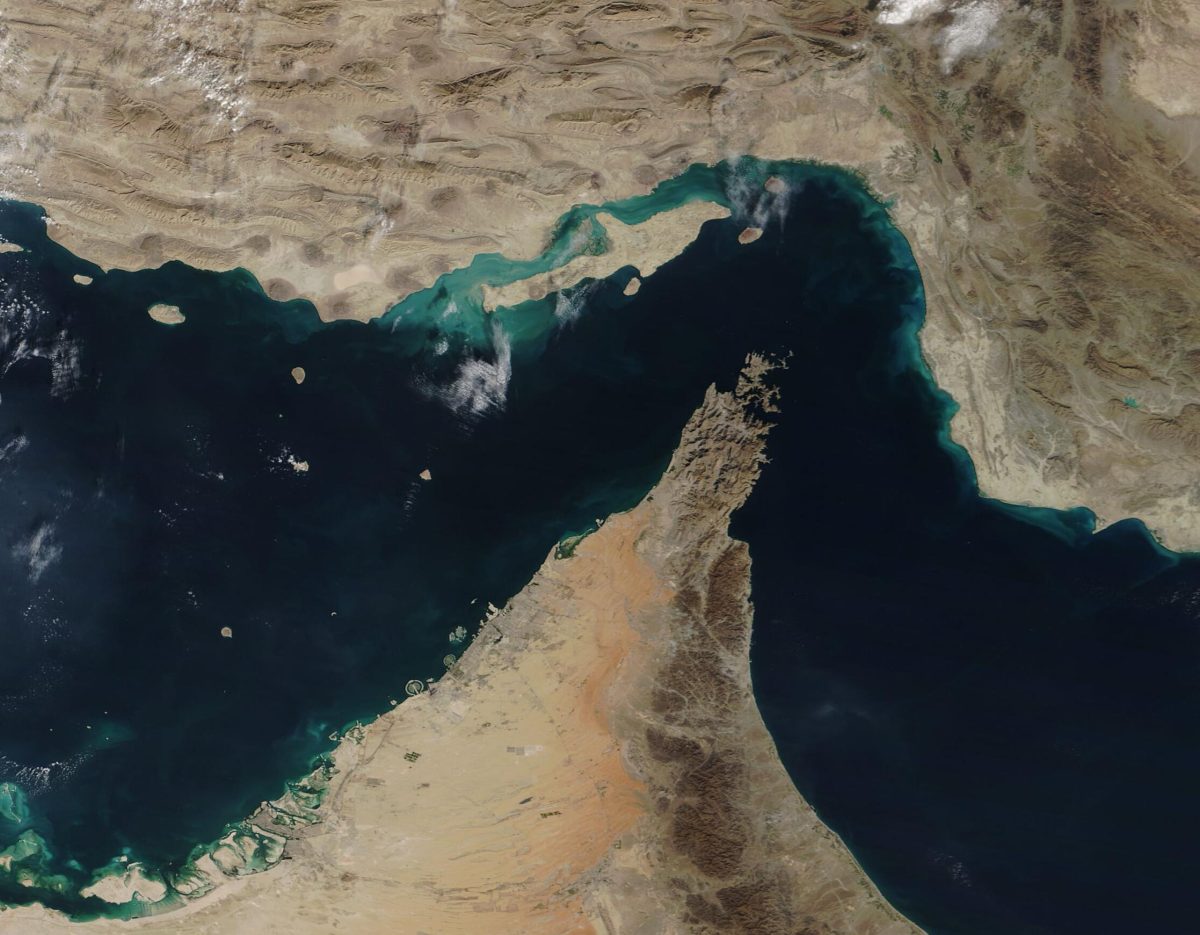
- Lead. Iran said on September 7 that a shipping corridor agreement with Oman through the Strait of Hormuz is days away from finalization, the clearest signal yet that partial maritime traffic could resume in the world’s most critical oil chokepoint.
- Fact. The proposed transit lane would span 7 miles (11.3 km) in width, entering and partly exiting through Iranian territorial waters, and would be formally registered with the International Maritime Organization.
- Stake. Brent crude has risen more than 47 percent year-on-year since the strait was effectively closed by US strikes in late February 2026; even partial reopening would represent the first structural oil supply relief in six months.
Tehran’s statement, reported by Bloomberg on September 7, came as Brent crude was trading above $97 a barrel—a level not seen since 2014—and follows weeks of back-channel negotiations between Iranian and Omani officials under a framework mediated partly by the International Maritime Organization. Oman has served as the principal interlocutor between Tehran and Washington throughout the 2026 Iran conflict, and its role in the shipping corridor discussions mirrors its earlier function in brokering the interim ceasefire that expired in late July.
Anatomy of the corridor
The arrangement, as described by Iranian officials, would create a structured shipping lane 7 miles wide running from a point within Iranian territorial waters to an exit zone also partly through Iranian-controlled sea space. The corridor is designed to allow tanker traffic to transit under Iranian monitoring without triggering the mines and naval interdiction that have deterred commercial shipping since February. Documentation with the IMO, a United Nations body responsible for global maritime safety, would give the lane a degree of international legal standing and provide insurers with the framework they need to begin underwriting shipments again.
Iran and Oman had already fixed preliminary Hormuz coordinates in late August but disagreed on the conditions attached to any full normalization. Tehran has consistently demanded that Washington fulfill commitments under the June interim peace deal, which lapsed without the sanctions relief Iran expected, before agreeing to a permanent reopening of the strait.
Oil market reaction
Brent crude fell from $97.29 a barrel on September 7 to around $92 on September 8 as the corridor news circulated, a 5 percent intraday move that illustrates how much of the current oil premium is tied to Hormuz risk rather than underlying demand. Roughly 21 million barrels per day of crude and petroleum products transited the strait before the conflict—about 21 percent of total global oil consumption. Even partial restoration of that flow, restricted to a 7-mile lane, would meaningfully ease supply-chain pressure on Asian importers whose long-haul rerouting around Africa has added weeks and hundreds of millions of dollars to shipping costs.
Conditions and uncertainties
The announcement stopped short of a signed agreement. Iranian officials emphasized that the full reopening of the strait to unrestricted commercial traffic remains contingent on Washington fulfilling its June commitments, including a partial sanctions suspension that the US Congress has not ratified. The US Central Command, which has maintained a naval presence at Hormuz since February, has not publicly confirmed its position on the proposed corridor. Without US acquiescence to allow vessels through without interdiction, the lane would offer little practical benefit regardless of its legal documentation.