
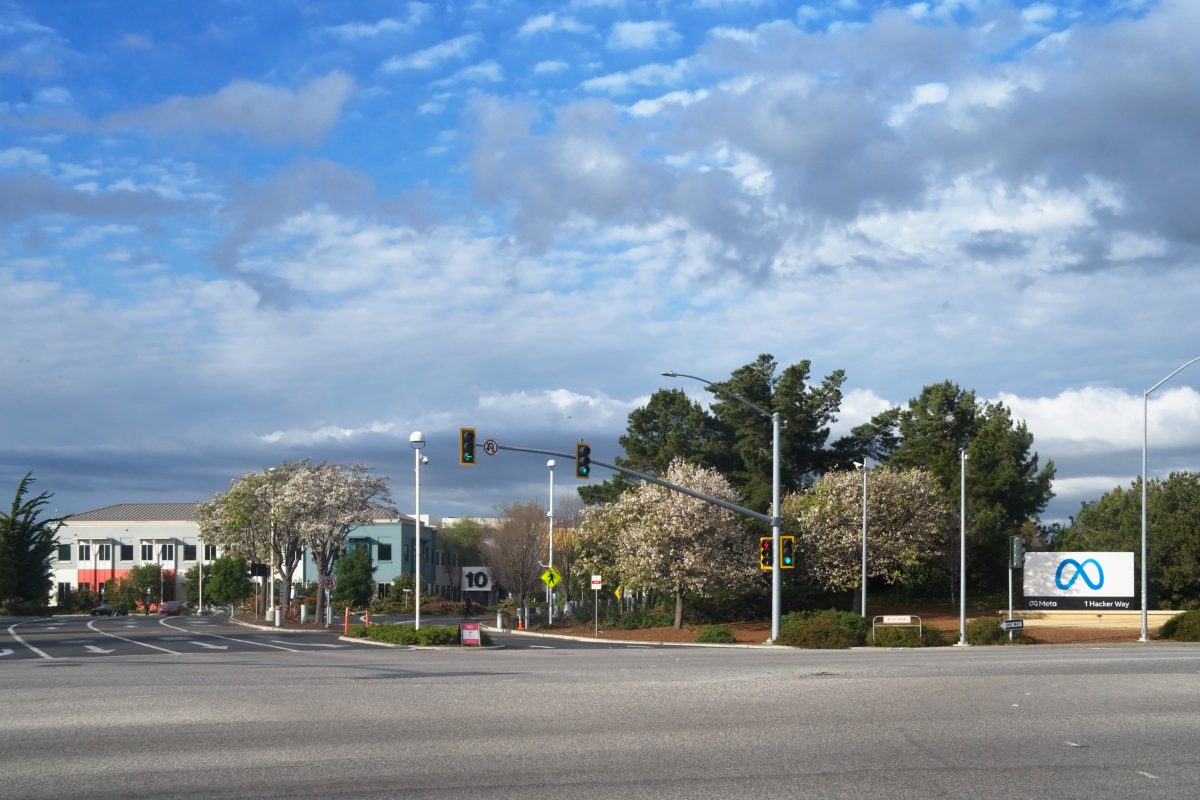
- Lead. Meta Platforms reported second-quarter revenue of $60.8 billion on July 29, beating the $60.2 billion consensus estimate, but the stock fell more than 7% in after-hours trading as net income dropped 14% and the company raised its full-year capital expenditure guidance to as much as $145 billion.
- Fact. Free cash flow collapsed from $8.5 billion a year earlier to just $784 million — a 91% decline in a single year — as quarterly capital spending hit $31.1 billion, reflecting the pace at which AI infrastructure is now consuming operating cash generation.
- Stake. Meta’s full-year 2026 capex guidance of $130–145 billion would represent one of the largest annual infrastructure commitments in corporate history, crystallising a question that has run through the entire US mega-cap earnings season: whether AI spending at this scale can be monetised quickly enough to justify the cash outflows.
The earnings picture
Meta’s Q2 2026 results showed advertising revenue of $59.4 billion, up 27% year-on-year, with ad impressions rising 14% and the average price per ad up 12%. Operating income fell to $18.8 billion, compressing the operating margin from 43% to 31%. Diluted EPS of $6.18 missed the $7.22 analyst consensus by a wide margin, weighed down by $2.4 billion in legal charges and $1.2 billion in severance costs from May’s workforce reduction. Reality Labs — the metaverse and augmented reality division — posted an operating loss of $4.6 billion on revenue of just $431 million.
CEO Mark Zuckerberg said in his statement that “AI is accelerating our core business today, powering our next generation of products, and opening the door to entirely new enterprise opportunities.” Q3 2026 revenue guidance of $61–64 billion implies continued advertising strength, and the company projected full-year 2026 operating income would exceed 2025 levels.
The AI capex surge
The headline story in the results is the capital expenditure trajectory. Meta spent $31.1 billion in Q2 alone — a figure that exceeds the annual capex of most Fortune 500 companies — and the full-year guidance range of $130–145 billion implies an acceleration in the second half of 2026. At the midpoint, that is roughly $137.5 billion, or more than twice the company’s 2024 annual capital spending.
The pattern echoes the AI capex fears that rattled chip stocks and broader markets ahead of the July Federal Reserve meeting, as investors weighed whether hyperscaler data centre investment had decoupled from near-term demand signals. Meta’s results do not answer that question — but they sharpen it, given that free cash flow generation has now been reduced to a level that provides little buffer if revenue growth slows.
What Wall Street is watching
The after-hours drop reflected the gap between revenue execution — solid — and the cash flow story, which deteriorated sharply. Some analysts noted that the legal and severance charges were one-time items and that underlying free cash flow, adjusted for those costs, was closer to $4.4 billion. Others focused on the capex guidance revision as evidence that the AI buildout is open-ended, with no clear ceiling in sight.
For the broader market, Meta’s results set a data point that Alphabet, Microsoft, and Amazon will now be read against. All four companies are engaged in a parallel AI infrastructure expansion that is consuming cash at rates that have no historical precedent among consumer internet businesses. How long equity investors sustain that tolerance depends on whether AI-driven revenue acceleration materialises at the scale the spending requires.