
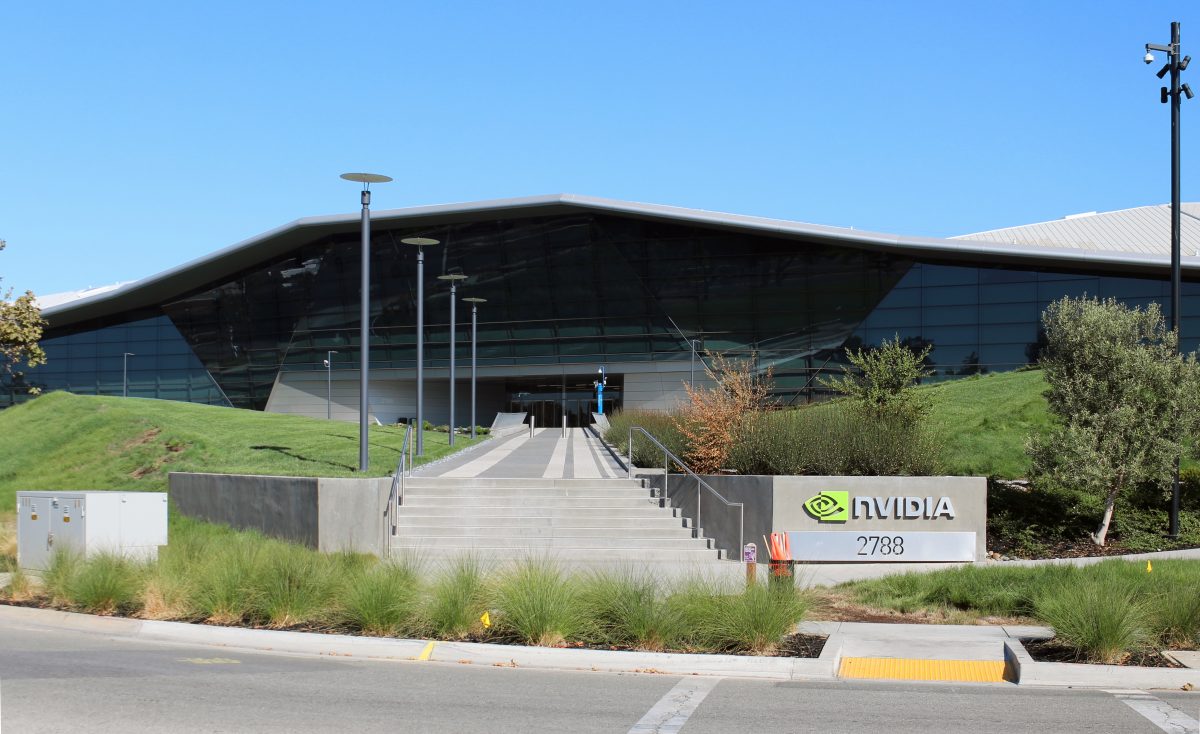
- Lead. Nvidia quietly removed more than half of its previously approved Asian customers from a new compliance whitelist for advanced AI chips, concentrating the purge on neo-cloud providers in Singapore, Malaysia, and Japan who failed enhanced due-diligence checks including on-site data-center inspections.
- Fact. The move directly follows a May 31 Bureau of Industry and Security guidance that targeted the diversion of Blackwell-class chips to Chinese entities through third-country subsidiaries — a route that BIS acknowledged had gone unaddressed for nearly a year.
- Stake. Chinese firms have collectively ordered more than 2 million H200 units against a total Nvidia inventory of roughly 700,000; on July 14, a senior Commerce official told Congress that H200 deliveries to China have already begun, in volumes he called “trivial.”
Nvidia has introduced a compliance whitelist for advanced AI chip sales in Asia and removed more than half of its previously authorised customers from it, according to a report first published by the Financial Times and reported by Reuters. The purge targets neo-cloud providers in Singapore, Malaysia, and Japan — markets that have served as major conduits for chip flows to Chinese-linked entities — and subjects remaining approved buyers to enhanced scrutiny, including on-site inspections of data-centre facilities, verification of end-user contracts, and direct interviews with customers.
How the loophole developed
The whitelist was introduced in response to Bureau of Industry and Security guidance issued May 31, 2026, which required export licences for sales to any China-headquartered entity regardless of where the transaction formally occurred. A BIS FAQ update on June 17 reinforced entity-based controls that had been in place since November 2023. The specific concern was that Blackwell-architecture processors had been flowing to Chinese-linked entities through subsidiaries in Malaysia for “nearly a year” before the May guidance closed the gap. Nvidia has not publicly confirmed the whitelist or its scope; the company declined to comment to the Financial Times.
The episode fits a pattern that regulators and legislators had been flagging since earlier in 2026, when Senator Elizabeth Warren set a June deadline for Nvidia to account for chip diversion. The DOJ opened related indictments against third-country intermediaries in the same period.
Congressional pressure and the H200 question
On July 14, Jeffrey Kessler — Under Secretary of Commerce for Industry and Security — confirmed in congressional testimony that Nvidia H200 chips have begun shipping to China, characterising the volume as “very few” and “trivial.” Chinese firms have placed collective orders for more than 2 million H200 units, against a total Nvidia inventory of roughly 700,000 — a gap that underlines the scale of frustrated demand.
Republican Representative Bill Huizenga criticised Commerce’s handling of the Blackwell loophole, arguing the department was too slow to close a gap that had been visible for months. Kessler, while defending the administration’s record, signalled that further regulatory action on chips and AI is under active consideration, and confirmed that the Trump administration does not intend to replace the Biden-era AI diffusion framework in its entirety.
What the whitelist means in practice
For the Asian cloud market, the whitelist represents a structural shift in how access to frontier AI hardware will be allocated. Providers that pass inspection can continue purchasing; those removed must either clear new compliance checks or lose access to Nvidia’s most capable chips. Given that demand for Blackwell and H200 processors runs far ahead of supply globally, removal from the approved list is a meaningful commercial penalty — one that may push some displaced buyers toward less constrained Chinese domestic alternatives, including Huawei’s Ascend line and the chip Nvidia rival Baidu is building through its Kunlunxin subsidiary.