
- Lead. Russia is preparing a large-scale strike campaign against Kyiv’s power infrastructure, timed to precede Ukraine’s Independence Day on August 24, according to the Institute for the Study of War’s August 8 assessment.
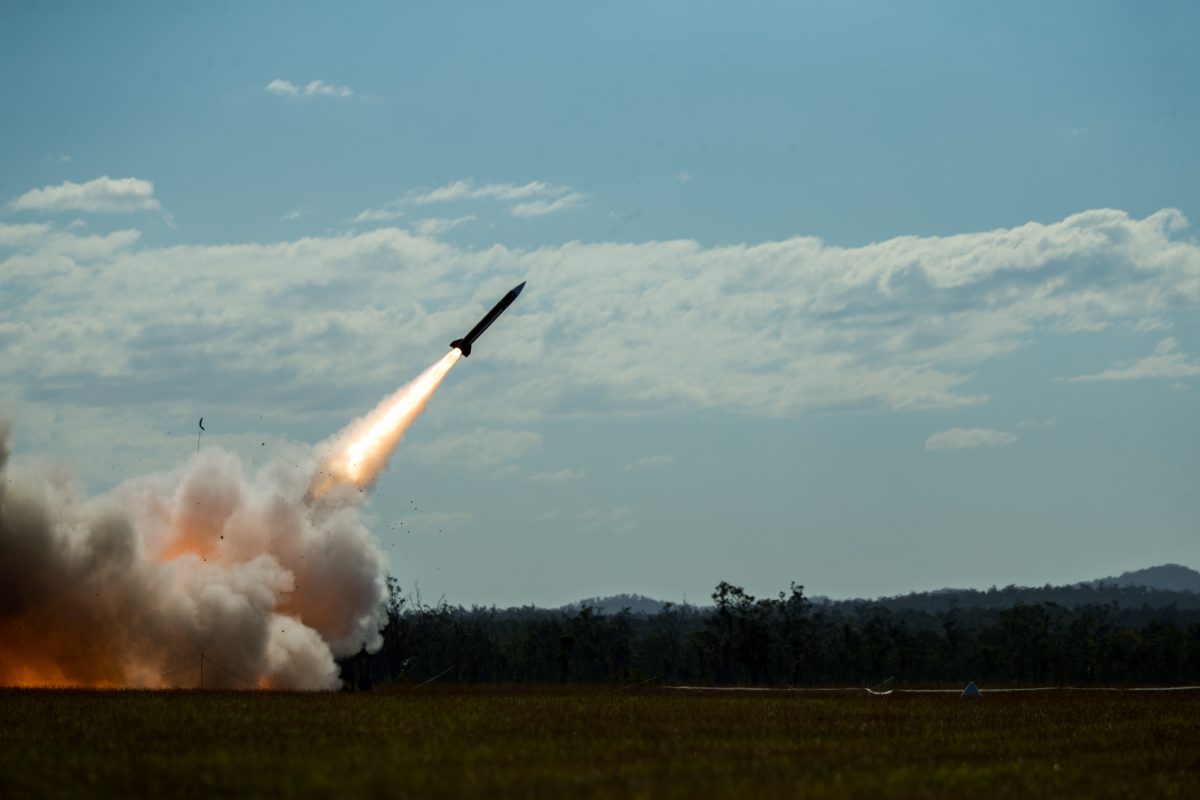
- Fact. Ukraine is receiving almost three times fewer Patriot ballistic missile interceptors than it was in early 2026, degrading the air defences that would have to absorb any such campaign.
- Stake. Russia’s winter 2025-2026 strikes damaged approximately 80% of Ukraine’s power generation capacity; a fresh August campaign would target infrastructure still undergoing repair, compounding damage before the 2026-2027 heating season begins.
Russia appears to be moving its annual energy-strike campaign forward by roughly a month. Where Moscow has typically begun targeting Ukraine’s power grid in September, the Institute for the Study of War assessed on August 8 that Russian forces are preparing to strike Kyiv’s energy infrastructure as early as mid-August — exploiting an interceptor shortage that Ukrainian officials have described publicly as severe.
President Zelensky stated on August 5 that Ukraine has been receiving “almost three times fewer” anti-ballistic missile interceptors compared with the first months of 2026. The shortfall has material consequences: the overnight attack of August 7-8 illustrates the current exposure. Russia launched six ballistic missiles and 151 drones; Ukrainian air forces downed 135 of the drones, but the remaining missiles and 13 strike drones reached 12 locations across the country, killing at least three civilians in Kyiv City.
Targeting the Supply Chain
The interceptor crisis extends beyond Ukraine’s borders. On August 7, two unidentified drones conducted six overflights of a Bundeswehr installation in Mechernich, Germany — which hosts a Patriot missile repair facility. German officials assessed the aircraft as possibly Fly-380 VTOL surveillance types; one came within 40 kilometres of the base. A separate drone carrying explosives was found at Leipzig/Halle Airport and attributed by investigators to Russian intelligence. Together, the incidents point toward a Russian effort to assess the logistics chain sustaining Ukraine’s air defence.
The Damage Already Done
Ukraine’s First Deputy Prime Minister has stated that the 2025-2026 winter campaign damaged or destroyed facilities accounting for roughly 80% of the country’s power generation capacity, with repair costs estimated at 4 billion to 0 billion. The ISW assessment notes that fresh strikes on Kyiv’s energy grid “will disrupt Ukrainian efforts to repair and strengthen energy facilities” damaged last winter — locking in a structural energy shortfall before heating demand returns in October.
The broader economic picture adds pressure. Ukraine’s Agriculture Ministry forecasts a 54% reduction in agricultural exports in the 2026-2027 marketing year, with wheat exports potentially falling by 53%. Grain storage may reach capacity by November 2026, as alternative export routes through Romania, Slovakia, and Hungary cannot replace Odesa port capacity. Russian insurance companies have already stopped covering military and terrorism risks in the Black and Azov seas, citing navigational warnings issued in mid-July.
Strategic Timing
Independence Day on August 24 is the most symbolically charged date in Ukraine’s calendar, and a visible attack on Kyiv’s infrastructure in the days preceding or following it would carry psychological weight beyond the physical damage. ISW assessed that Russia is deliberately opening the 2026-2027 energy-strike season in August precisely because the interceptor shortage creates a window that may not persist if Western partners replenish Ukraine’s stocks. Whether that replenishment arrives before Russian strikes escalate will determine how much of the summer’s reconstruction work survives into winter.