
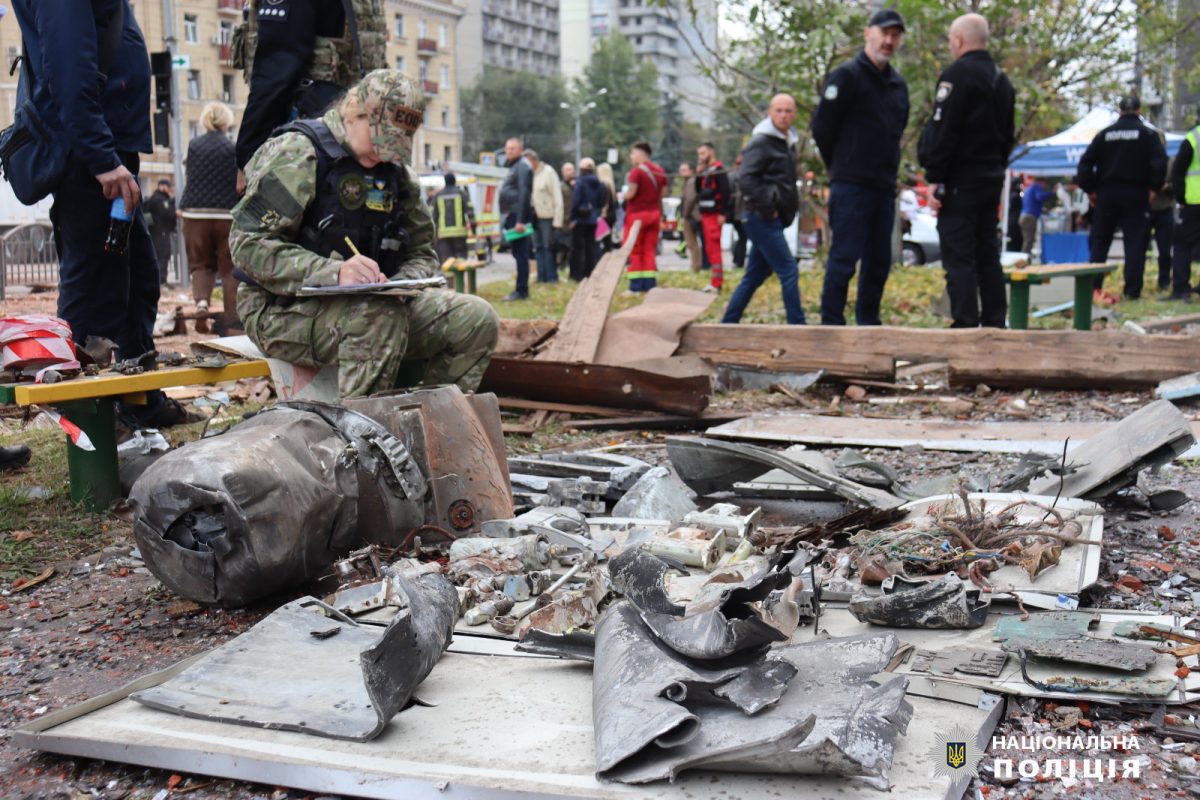
- Record output. Russia produced 198 ballistic missiles in July 2026—its highest monthly total since the full-scale invasion began—up from 134 in June, 107 in May, and just 61 in April, according to data cited by Al Jazeera.
- Immediate use. Russia launched 56 ballistic missiles in the first week of August alone, striking Kyiv twice, plunging Odesa into darkness, and killing at least nine people across multiple regional attacks.
- Strategic logic. The escalation follows Ukraine’s recapture of 745 square kilometres in Dnipropetrovsk and signals Moscow’s chosen response to battlefield reversal: aerial bombardment at scale rather than a renewed ground push.
The production figures describe a sharp acceleration. In April, Russia’s monthly output stood at 61 ballistic missiles. By July it had more than tripled, reaching 198—numbers that align with what Western intelligence agencies have described as a major reorganisation of Russia’s defence-industrial base since 2023. Alongside Iskander-M production increases, Russia has reprogrammed S-400 surface-to-air missiles as improvised ballistic weapons, effectively converting air-defence inventory into offensive strike capacity.
A Counteroffensive in the Air
Ukraine’s recapture of 745 square kilometres in Dnipropetrovsk, completed in early August with an estimated 10,000 Russian casualties, was the most significant Ukrainian territorial gain in months. The Institute for the Study of War’s conservative estimate put the verified figure at 627 sq km across 26 settlements. President Volodymyr Zelensky described the operation as completed “exactly as it was determined.”
Russia’s response did not come primarily on the ground. Instead, in the three weeks following the Dnipropetrovsk announcement, Moscow surged missile activity against Ukrainian cities. On August 8 and 11, combined drone and missile barrages struck Kyiv. On August 9, Odesa lost power across wide districts. On August 11, at least nine people were killed across simultaneous strikes. The pattern—pairing ground losses with elevated air campaigns—has been consistent since at least mid-2024.
The Kyiv Energy Strike Campaign
The current wave fits a broader pattern. Russia has targeted Ukrainian energy infrastructure in coordinated campaigns that aim to degrade civilian morale before symbolic dates. Ukraine’s Independence Day falls on August 24, and Ukrainian intelligence has assessed Russian strike planning as active ahead of that date.
The July casualty figures are also notable. Russia suffered an estimated 43,000 casualties that month—its highest since January 2025—even as it continued advancing in parts of Donetsk. For 2026 to date, Russia has recorded net territorial losses of 233 square kilometres despite sustained offensive operations. The air campaign, then, is partly a way for the Kremlin to demonstrate escalatory capacity when ground advances have stalled or reversed.
Adaptation Under Pressure
Western defence analysts have tracked Russia’s shift from cruise missiles—which Ukraine became increasingly adept at intercepting—to ballistic and hypersonic systems that are harder to counter with current Ukrainian air defences. The reprogramming of S-400 units as ballistic weapons is an improvisation that reflects both the scale of the war and the pressure on Russia’s conventional missile stockpiles.
Whether the production ramp is sustainable remains a live question. Russia’s defence sector has operated under Western sanctions since 2022, and the output growth has depended partly on component imports through third-country intermediaries. At 198 per month, July’s figure is high—but Western sanctions pressure and component availability will determine whether that pace holds through the autumn.