
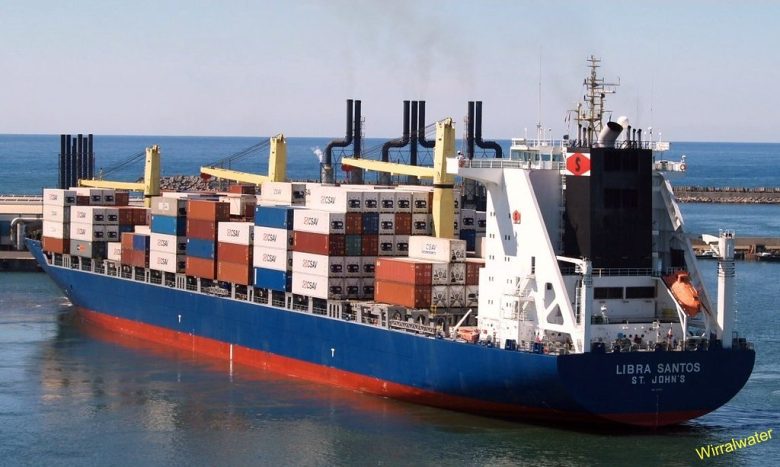
- Ships avoiding the Strait of Hormuz must route via the Cape of Good Hope, adding 10 to 14 days and significant fuel costs to journeys between Asia and Europe — costs that feed directly into the price of everything from petrol to electronics.
- US tariffs of 25 percent on most trading partners remain in place, reshaping sourcing decisions for manufacturers who can no longer absorb the additional cost in their margins.
- The net effect is a global trade map that looks substantially different from 2024. Vietnam, India, and Mexico have emerged as alternative sourcing hubs while Chinese export volumes to the US have fallen to their lowest since 2014.
Two distinct forces are simultaneously compressing and redirecting global trade. The first is the tariff architecture the Trump administration has maintained and extended since 2025, keeping 25 percent duties on goods from most major trading partners, with a specific additional tariff on imported AI chips announced in January 2026. The second is the partial disruption of the Strait of Hormuz — not a hard blockade, but a harassment environment that has caused major tanker operators to reroute around the Cape of Good Hope rather than risk Iranian fast-attack craft and mines in the narrow passage.
The rerouting effect is concrete. Adding 10 to 14 days to tanker voyages between the Gulf and Europe or Asia means the same volume of oil requires more ships to move — absorbing spare tanker capacity globally and driving freight rates sharply higher. The cost feeds into refined fuel prices, which feed into every industry that uses transport. European manufacturers have reported input cost increases in the range of 3 to 8 percent directly attributable to the shipping premium, according to industry surveys compiled in April.
Where trade is going instead
The tariff-driven reshaping of trade flows is visible in customs data from Vietnam, India, and Mexico — all of which have seen export volumes to the United States grow by 15 to 25 percent since 2025 as manufacturers moved production out of China. Chinese export volumes to the US have fallen to their lowest level since 2014, though China’s overall export performance has been partially offset by expanded sales to the Global South, to Russia, and to markets in the Middle East that have maintained neutrality in the Iran conflict.
The Trump-Xi summit on May 14 addressed trade directly, with both sides describing preparatory negotiations led by Treasury Secretary Scott Bessent and Chinese Vice Premier He Lifeng as having produced “overall balanced and positive outcomes.” The specific contours of any new arrangement have not been disclosed, but Beijing’s interest in buying more American energy would, if formalised, create a counterweight to the current trade imbalance both governments have called unsustainable.
The investment cost
Supply chain uncertainty has a delayed but durable effect on capital spending. Companies facing potential tariff changes, shipping disruptions, and currency volatility have responded by deferring investment rather than committing to sourcing decisions that could prove expensive within twelve months. Business investment in the G7 economies fell in Q1 2026 for the second consecutive quarter — not a collapse, but a sustained hesitation that, compounded across the global economy, produces precisely the kind of slowdown the IMF is now projecting.