
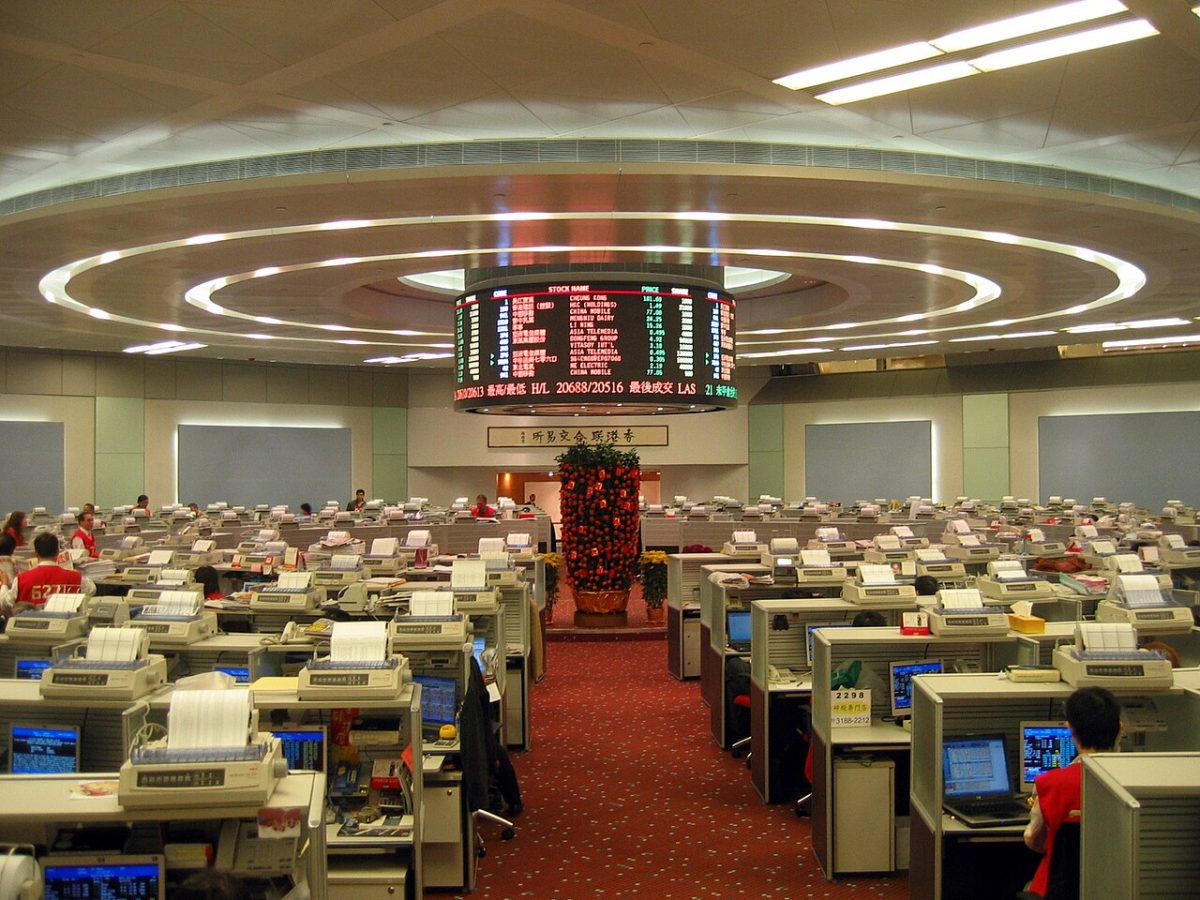
- Lead. Shein began trading on the Hong Kong Stock Exchange on September 1 under the ticker 00625, closing its first session down 9% from an offer price of HK$48.56 — the largest new listing on the exchange so far this year.
- Fact. The company sold roughly 280 million Class B shares, raising approximately HK$13.6 billion ($1.74 billion) and valuing Shein at around $26.5 billion — a sharp discount to its 2022 private-market peak of $100 billion.
- Stake. Hong Kong gains a high-profile listing after years of outflows to New York and London, but the muted debut signals that investors are pricing in significant execution risk for a company whose supply-chain disclosures face ongoing regulatory scrutiny.
A Long Road to Listing
Shein’s path to a public market was unusually circuitous. The Singapore-headquartered company, founded in China and known for ultra-fast online fashion at low price points, originally targeted a New York IPO before withdrawing amid US regulatory pressure over labour practices in its Chinese supply chain. A subsequent London attempt also stalled after British lawmakers raised concerns about the same disclosures. Beijing’s hesitation to approve the listing under conditions that would force detailed supply-chain transparency added further delay.
The Hong Kong filing represented a more accommodating jurisdiction, and the exchange’s listing committee cleared it earlier this year. Goldman Sachs, Morgan Stanley, and JPMorgan served as joint bookrunners, according to reporting on the debut.
First-Day Trading
Shares fell as much as 10% in early trading before recovering partially to close down 9%. The closing price of roughly HK$44.19 left Shein just above the cutoff threshold set by the company and its underwriters — a level at which stabilisation mechanisms are typically triggered. The stock’s final position was within a cent of that cutoff, suggesting active price support during the session.
The valuation implied by the closing price — around $24 billion — compares with a $100 billion figure bandied about during the company’s 2022 funding rounds, when venture capital markets were at their most expansive. That gap reflects both a broader derating of consumer technology companies and specific concerns about Shein’s regulatory exposure in the United States and Europe, where forced-labour import bans and e-commerce duty changes have been enacted since 2023.
The listing was nonetheless significant for Hong Kong, which has been competing to attract large-cap tech and consumer listings after a wave of Chinese companies chose US ADR structures in the 2020-2022 period. Shein’s float, alongside the earlier YMTC Shanghai listing push and a series of smaller Chinese tech IPOs in 2026, illustrates a broader effort to deepen domestic capital markets in Asia ahead of potential tighter restrictions on US-listed Chinese securities.
What Comes Next
Shein will be required to file detailed public disclosures on a regular basis for the first time, bringing additional scrutiny to its production relationships in China. The company has previously faced independent investigations and documentary coverage alleging violations of labour and environmental standards in its supplier network, all of which it has contested. How Hong Kong’s Securities and Futures Commission exercises ongoing oversight of those disclosures will be closely watched by other Chinese consumer companies considering the exchange as a listing venue.