
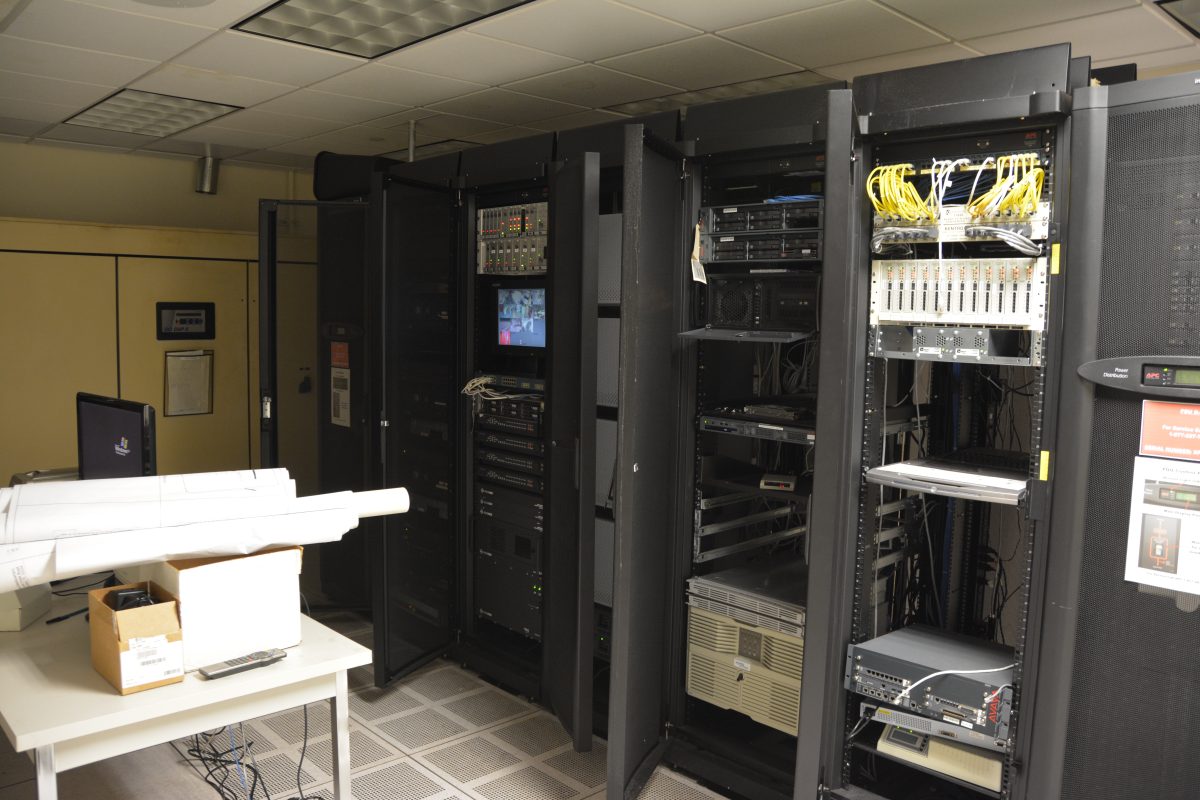
- Lead. Amazon is exploring the creation of a special-purpose vehicle to hold approximately $8 billion in Nvidia Grace Blackwell chips installed in its data centres, issuing debt to outside investors and leasing the hardware back — a structure that mirrors aircraft and real-estate financing rather than conventional technology procurement.
- Fact. Amazon’s 2026 capital expenditure guidance is approximately $200 billion, with Q2 spending already at $54.2 billion — a 68% year-on-year increase — while its 12-month free cash flow has turned negative at -$7.6 billion, creating financial pressure to move assets off the balance sheet.
- Stake. If the SPV model scales across the industry, it transfers hardware obsolescence risk — Nvidia’s next-generation Vera Rubin delivers 35 times lower token costs than Grace Blackwell Ultra — from operators to debt holders, raising questions about the long-term credit quality of AI infrastructure securities.
According to reporting cited by 247 Wall St., Amazon’s proposed structure involves transferring thousands of Grace Blackwell chips to a new entity that would issue debt securities, sell up to 10% of its shares to external investors, and then lease the chips back to Amazon across data centres in at least five states. Amazon would retain operational control and up to a 10% equity stake in the vehicle. Discussions remain preliminary.
The balance-sheet logic
Amazon’s long-term debt has risen to $119.1 billion, up from $65.6 billion a year earlier, as the company funds an unprecedented infrastructure expansion to compete with Microsoft and Google in the AI cloud market. The SPV structure converts a capital expenditure into a lease obligation — moving it from the investing section of the cash flow statement to operating expenses, with different effects on reported free cash flow and leverage ratios. Banks and asset managers who finance the vehicle would own the chips and absorb the principal depreciation risk; Amazon captures the revenue from deploying them in inference and training workloads.
The structure is not unique. Broadcom recently arranged $60 billion in financing for Anthropic’s AI chip purchases, and Nvidia itself has reportedly signed six asset managers to raise more than $500 billion for AI infrastructure financing. What began as a niche strategy for a handful of hyperscalers is consolidating into a broader market for AI chip-backed debt instruments.
The obsolescence problem embedded in the structure
The financing model carries a risk that distinguishes AI chips from the aircraft and commercial real estate it superficially resembles. According to the 247 Wall St. analysis, Nvidia’s forthcoming Vera Rubin architecture delivers approximately 35 times lower token costs than the Grace Blackwell Ultra chips Amazon is currently deploying at scale. If Vera Rubin reaches mass production on schedule, Grace Blackwell assets could lose competitive value faster than the debt secured against them is retired — leaving SPV investors holding collateral whose market rate has collapsed.
Nvidia has estimated Grace Blackwell infrastructure generates roughly $25 billion per gigawatt in revenue potential, against approximately $40 billion per gigawatt for Vera Rubin. The spread between those figures represents the obsolescence discount that debt holders will need to price in. Whether that risk is adequately reflected in the interest rates being offered on these instruments will depend on how transparent the disclosures are and how many institutional buyers apply the necessary scrutiny to what is, structurally, a new asset class with a limited track record.
Regulatory and systemic dimensions
The concentration of AI chip financing in a small number of structures, asset managers and chip suppliers creates linkages between the technology sector and fixed-income markets that did not exist eighteen months ago. If AI earnings growth disappoints — or if a major cloud operator faces a revenue shock — the write-down in AI chip collateral values could have cascading effects through the SPV debt structures that US regulators have not yet assessed systematically. The Federal Trade Commission is separately investigating the market structure of the AI chip supply chain. Whether AI infrastructure finance falls within the scope of that probe or requires separate regulatory attention remains an open question.