
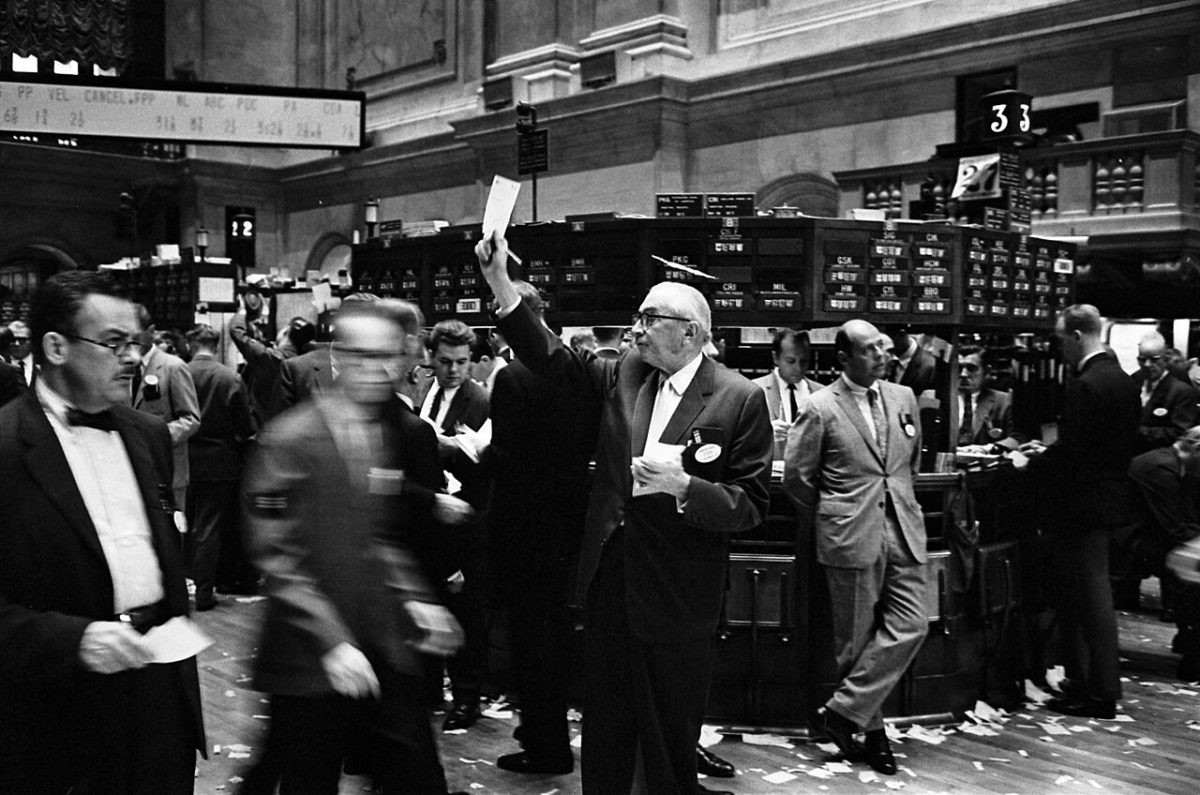
- Lead. The Dow Jones Industrial Average tumbled roughly 600 points, or 1.2%, to 51,462 on September 16 after the Federal Reserve raised rates unanimously by 25 basis points — its first hike in three years — while signalling that further increases are likely.
- Fact. The 10-year US Treasury yield crossed 5% during Chair Kevin Warsh’s press conference, reaching its highest level since the 2024 cycle, as bond markets priced in a prolonged period of elevated borrowing costs.
- Stake. The overnight reversal was partial but real: Dow futures recovered 331 points (+0.64%) by Thursday morning, a pattern consistent with UBS’s finding that the S&P 500 gains an average 10.8% in the 12 months following an initial rate hike — but the path depends on whether Warsh hikes again before year-end, as his dot-plot implies.
The Market Moves
The initial reaction to Wednesday’s Fed decision was muted — markets had priced a 92.5% probability of a 25-basis-point move going into the meeting. The sell-off gathered momentum during Warsh’s press conference, as investors concluded his remarks were more hawkish than expected. The S&P 500 fell 0.45% to 7,551, the Nasdaq Composite slipped 0.01% to 25,978, and the Dow bore the brunt of the rotation out of interest-rate-sensitive industrials and financials.
Gold had already been trading defensively ahead of the meeting; it remained under pressure as higher real yields compete with the metal’s appeal as a store of value. Oil stayed above $100 per barrel, keeping energy the standout performer in the S&P, up 43% year-to-date. Bitcoin fell below $76,000 after the Senate’s narrow rejection of the CLARITY Act crypto regulatory bill removed a catalyst that had been driving digital-asset demand.
Bond Yields and the Rate Signal
The crossing of the 5% level on the 10-year Treasury is the more consequential market move, because it raises the cost of capital across the entire economy — from 30-year mortgages to corporate refinancing to leveraged buyout assumptions. The CNBC live markets blog noted that the yield level had not been seen since 2024, when the last rate cycle was still active.
The dot plot’s signal — 16 of 18 Fed officials see at least one more hike in 2026 — means the 5% yield is not necessarily a ceiling. If November brings another 25-basis-point move, 10-year yields could push toward 5.25%, a level that historically has compressed equity multiples across the board.
What Comes Next
Futures markets recovered quickly, with S&P 500 futures rising 0.61% early Thursday. Some strategists argued the initial sell-off overreacted to language that merely confirmed what the dot plot already implied. The case for equities holding up rests on the same data Warsh cited: strong payrolls, positive services PMI, and a consumer that — while less confident than earlier in the year — is still spending. Against that backdrop, the historical precedent of gains following an initial hike suggests the market’s primary concern is not the hike itself, but the duration of the hiking cycle and whether the economy can absorb it without a contraction in corporate earnings.