
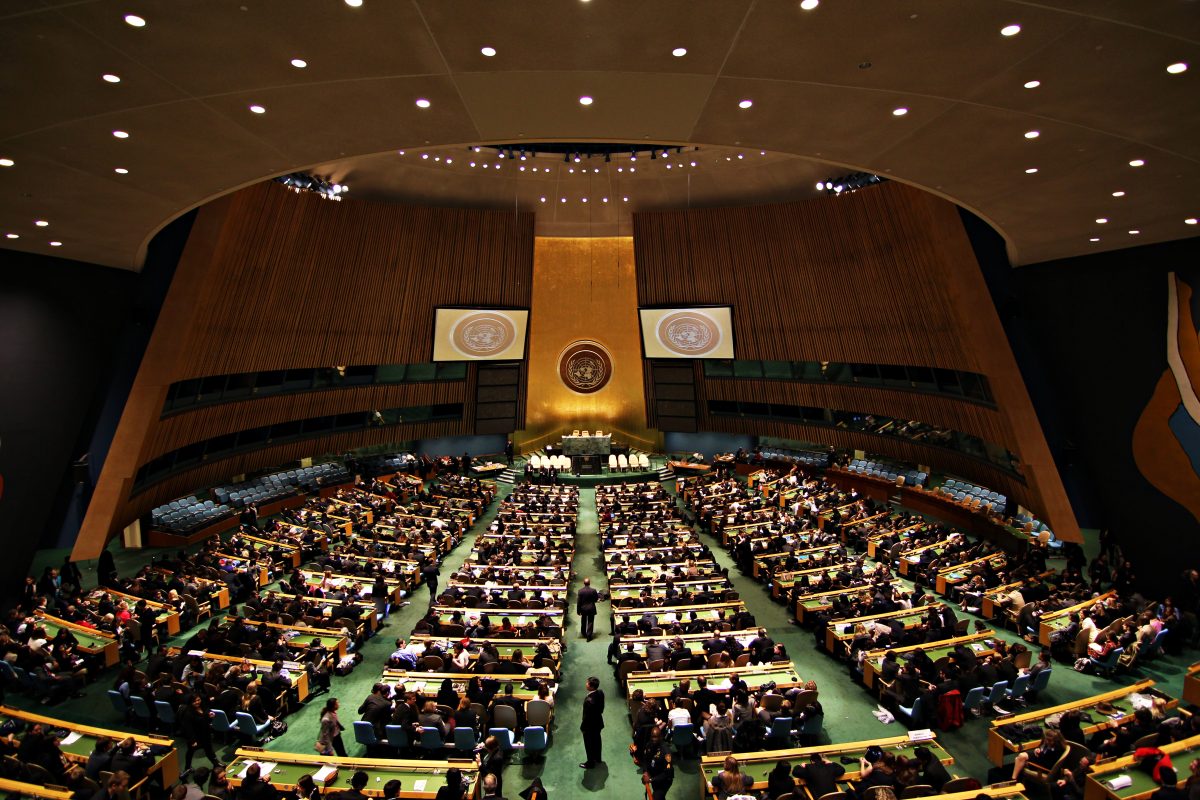
- Opening. Volodymyr Zelensky met Donald Trump at the UN General Assembly on September 22 — the first bilateral since July — and formally proposed a mutual halt to attacks on energy infrastructure as a potential first step toward de-escalation.
- Stakes. For Kyiv, the energy ceasefire is linked to a separate ask: Patriot air-defence interceptors before Russia’s winter strikes season. Without them, Ukrainian power plants face the same pressure that left millions without heat last winter.
- Gap. Zelensky called on Trump to organise a trilateral meeting with Putin at the G20 in Miami, but Moscow has given no indication it is prepared to attend — making the G20 deadline the key stress test for whether Trump’s pressure on Putin has any real effect.
Zelensky arrived in New York for the 81st UN General Assembly high-level week knowing he needed to reframe the diplomatic conversation around Ukraine. After months in which Russia continued to strike Ukrainian cities despite ceasefire proposals, Kyiv concluded that a narrower, more concrete offer might gain traction.
The energy ceasefire proposal
The proposal is straightforward in structure: both Ukraine and Russia would halt attacks on energy infrastructure — power stations, substations, heating networks, water supplies, and oil and diesel refineries. Zelensky said Ukraine is “ready for energy ceasefire,” but only on the condition that Russia agrees to identical terms; Kyiv will not accept a one-sided restriction that frees Russian refineries from Ukrainian drone strikes while leaving Ukrainian power plants exposed to Russian missile fire.
The enforcement mechanism under discussion is Trump’s existing authority to impose 100% secondary tariffs on the top five buyers of Russian oil and gas — a financial lever that could be activated if Moscow violated the terms. Trump reportedly welcomed the concept without committing to specific delivery timelines.
The Patriot interceptor ask
Tied directly to the energy ceasefire is Ukraine’s urgent request for more Patriot air-defence munitions. As reported earlier this month, Ukraine’s Patriot inventory has been critically depleted ahead of the winter strikes season. Zelensky told Trump that Raytheon is reportedly ready to supply production licenses, but that no concrete delivery promises were received during the New York meeting. The gap between readiness to supply and actual delivery has been a persistent source of friction in US-Ukraine relations throughout 2026.
Russia’s position
The Kremlin offered no official response to Zelensky’s energy ceasefire proposal as of September 23. At the UN Security Council, Foreign Minister Sergei Lavrov had rejected a 51-nation ceasefire demand days earlier, with only Russia opposed among the fifteen Security Council members. Moscow has previously welcomed US proposals for an energy moratorium while insisting that any such agreement must also cover Russian seaborne energy exports and be accompanied by sanctions relief — conditions Kyiv considers non-starters.
Whether the G20 in Miami becomes the venue Zelensky is hoping for — a trilateral in-person meeting with Trump and Putin — will depend entirely on whether Trump applies the kind of sustained pressure on Moscow that he has so far used selectively. With Russian forces still advancing in eastern Ukraine, Putin’s calculus on talks remains unchanged: time and territory, for now, still appear to favour waiting.