
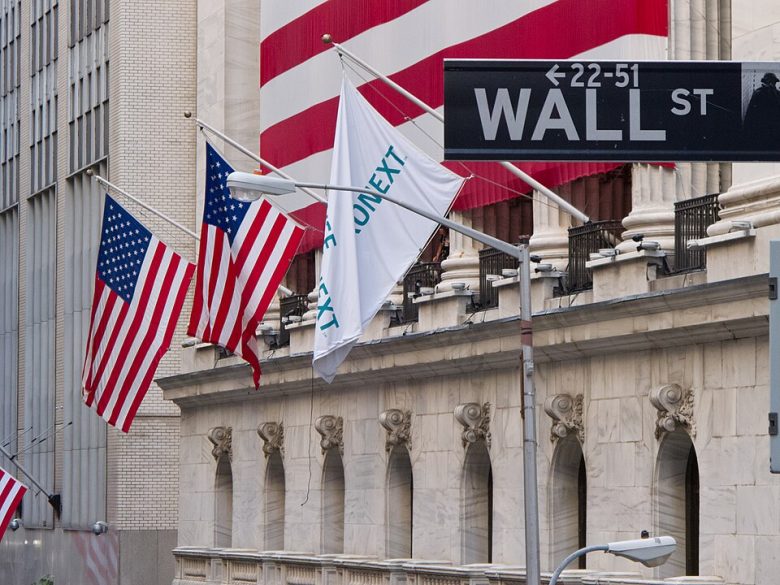
- Rally. US equity markets surged on Friday after the September jobs report showed only 29,000 new positions, well below the 84,000 forecast, with S&P 500 futures up 0.8%, Dow futures rising 458 points (0.9%), and Nasdaq futures gaining 1.2%, according to Yahoo Finance.
- Fact. The 10-year Treasury yield fell more than five basis points to roughly 5.18%, retreating from Thursday’s peak of 5.344%, as bond markets priced in a lower-for-longer rate path.
- Stake. Fed funds futures now price approximately 72% odds the Federal Reserve holds rates unchanged at its October 28 meeting, sharply reversing the majority-hike expectations that prevailed before the release.
The September nonfarm payrolls miss triggered one of the sharpest single-day bond rallies in months on October 2, with equity markets following suit as traders concluded the soft employment data removed the most likely trigger for another Federal Reserve rate increase. The two-day yield retreat from Thursday’s 5.344% 10-year peak to roughly 5.18% unwound a spike that had been building since the Fed’s September rate hike rattled bond markets in mid-September.
Equity Market Reaction
Technology shares led the advance. Nvidia headed gains in the Nasdaq, briefly pushing the index to an intraday record before markets consolidated. The move reflected the market’s standard playbook for soft labour data in a rate-sensitive environment: weaker hiring reduces inflationary pressure, which in turn reduces the likelihood that the Fed will tighten further, which benefits long-duration assets and growth stocks. The S&P 500 index, which had closed the prior session at 7,666, opened firmly higher. Small-cap indices also posted gains, according to Reuters/Investing.com.
WTI crude slid 3.66% to $89.41 as the soft employment data reinforced concerns about near-term US demand, adding another leg to the retreat from recent highs above $107. Oil’s decline provided a secondary tailwind for equities by reducing near-term inflation expectations.
Fed Watch and What Comes Next
The September employment data, combined with the prior-month downward revisions totalling 60,000 jobs, shifted the balance of probability decisively toward an October hold. Analyst comments aggregated by Investing.com described the labour market as “flashing yellow” rather than signalling a full contraction, suggesting most strategists expect the Fed to wait for additional data before deciding whether the September weakness was a one-month aberration or the start of a steeper slowdown. The next scheduled Fed meeting is October 28; the next major data input before it is the September Consumer Price Index, due the week of October 12.