
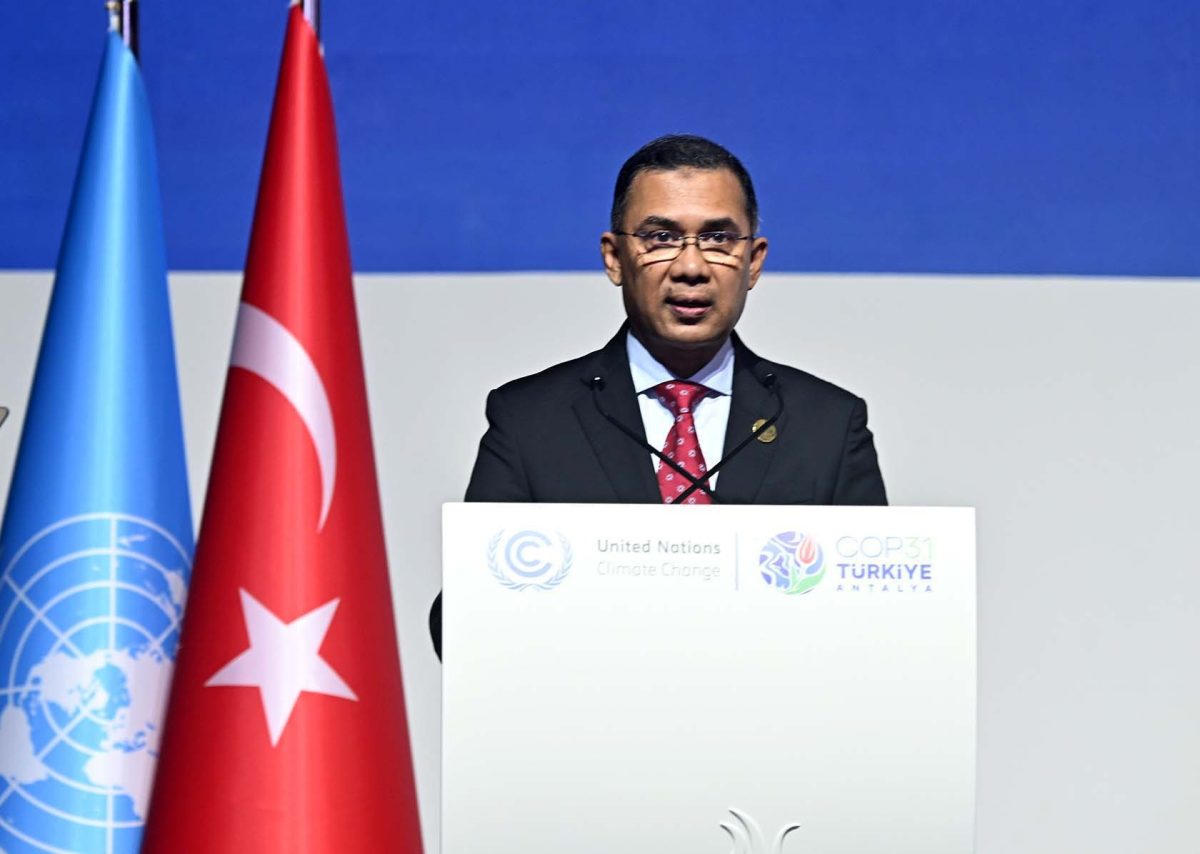
- Lead. COP31 in Antalya ended without an adopted climate agreement on November 22, the first time a major UN climate summit has collapsed since Copenhagen in 2009, after governments could not agree on language about fossil fuels.
- Fact. The talks ran for two weeks plus two days of overtime, making Antalya the longest UN climate summit on record. COP31 President Murat Kurum declared: “I understand that there is no agreement on this text.”
- Stake. No new international commitment on fossil fuels was produced, leaving global climate policy dependent on the 2023 Dubai agreement — language that Saudi Arabia and Russia refused to carry forward into the Antalya final text.
The collapse came on the third day of overtime at the Antalya Convention Centre. A coalition of climate-vulnerable countries — led by the European Union, Panama, the Marshall Islands, and others — refused to endorse a draft they said had stripped out any direct reference to coal, oil, or natural gas. Saudi Arabia, speaking for the League of Arab States, defended the text’s emphasis on carbon capture and storage. The EU formally objected, saying the draft “omitted any reference to fossil fuels or a transition away from them.” Panama rejected the outcome outright, while the Marshall Islands called the deal “a betrayal of its people.”
What the Draft Left Out
The core dispute was whether the final Antalya decision would name fossil fuels at all. Competing drafts had referenced the 2023 Dubai agreement — which called for a “transition away from fossil fuels in energy systems” — only by citation, without restating or deepening its core commitment. For climate-vulnerable states and the EU, that amounted to a step backwards. An independent adviser told reporters the draft also fell short on climate finance, adaptation funding, and loss-and-damage provisions for the nations most exposed to warming.
As delegates deadlocked, the summit stretched well past its scheduled close. What had been reported as a draft in overtime with fossil fuel language already removed ultimately produced no agreed text at all — the first such outcome at a major UN climate summit in more than 15 years.
Reactions From Geneva to Addis Ababa
UN Secretary-General António Guterres called the result “deeply disappointing” and offered a pointed summary: “We can’t put out the fire while pouring fuel on it.” He added that whatever the room’s divisions, “there is no ambiguity in the science.” UN Climate Change Executive Secretary Simon Stiell said “the world cannot afford a repeat of this moment.”
COP32 is scheduled for Addis Ababa, Ethiopia. Without an agreed text from Antalya, the incoming Ethiopian presidency faces the task of rebuilding consensus on fossil fuel language from scratch — against UN projections that the world is already on course to exceed the 1.5°C warming threshold.
Who Blocked a Deal
The clearest obstructions came from nations whose economies depend heavily on fossil fuel exports. Saudi Arabia and Russia both pushed for final text that prioritized carbon capture technology over phasedown commitments. The United States, under the Trump administration, did not play a constructive bridging role in the final hours, according to multiple delegate accounts. The African Group, led by Ghana, acknowledged the draft’s shortcomings but said it would not block consensus — a posture that placed the formal objections entirely on the EU and Pacific island delegations.