
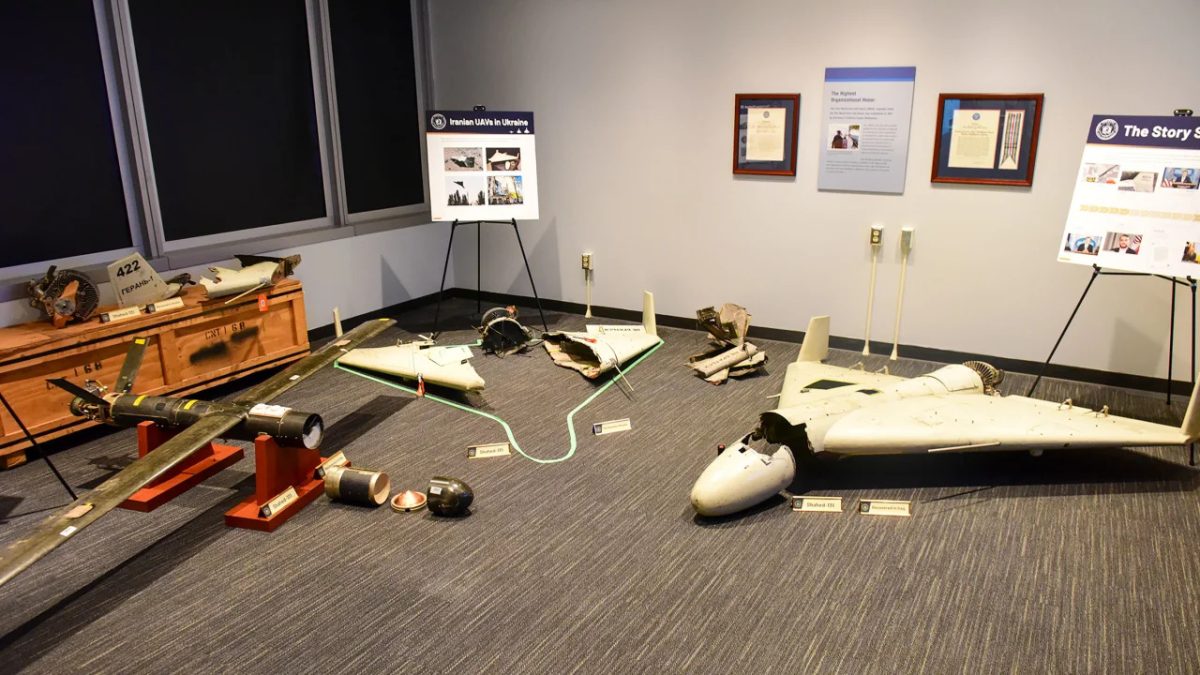
- Fatal strike. Two Italian defence contractors were killed at a Kuwaiti military site on 26 November when debris from an intercepted Iranian drone struck them — the first fatalities in Kuwait from the ongoing Gulf conflict in months.
- Disputed attribution. Italian Foreign Minister Antonio Tajani said Kuwaiti investigators confirmed the drone was manufactured in Iran; Tehran categorically denied involvement and offered to join a joint inquiry.
- European alarm. European Commission President Ursula von der Leyen called for stepped-up pressure on Iran, framing Gulf security as a European interest.
An alleged Iranian drone killed two Italian technicians at a Kuwaiti military site on 26 November, drawing condemnation from Rome, Brussels, and the Gulf Cooperation Council and deepening tensions in a region already strained by nearly nine months of US-Iran confrontation.
What Happened at the Site
Kuwait’s Ministry of Defence described the targeted location only as a “vital site.” The two Italians, employed by the European defence contractor Rheinmetall Italia, were working on an air-defence surveillance station when drone debris struck them, according to Al Jazeera’s reporting. A Kuwaiti soldier and a Pakistani national were also wounded. Italian Prime Minister Giorgia Meloni expressed her condolences publicly, and Foreign Minister Tajani flew to Kuwait City to meet Kuwaiti officials, stating that the investigation confirmed Iranian manufacture of the drone.
GCC Secretary-General Jasem Mohamed Albudaiwi condemned what he called “brutal” Iranian strikes and said the continued attacks on a Gulf Arab state constituted a dangerous escalation. Kuwait had already activated its air defences against Iranian drones for the first time since early September just days before the deadly strike.
Tehran’s Denial and the Disputed Attribution
Iranian Foreign Minister Abbas Araghchi called his Kuwaiti counterpart to say Tehran had “no involvement whatsoever” in the attack and offered to participate in a trilateral inquiry alongside Italy and Kuwait. Araghchi posted on X that the incident looked “like a precooked recipe for war,” suggesting the evidence was being planted. Iran’s military spokesman Sardar Shekarchi went further, attributing the attack to a false flag by Israeli and US forces.
The pattern of denial while maintaining operational pressure on Gulf states has been consistent throughout the conflict. Earlier this year, the IRGC claimed drone strikes on US radar installations in Bahrain even as Tehran denied any intent to escalate.
European and Regional Fallout
The involvement of European nationals employed by a major European defence contractor changes the political calculus. Von der Leyen’s call for more pressure on Tehran is a signal that Brussels may be considering expanding secondary sanctions beyond the existing framework. Italy, whose government has until now kept a measured distance from Gulf security operations, faces domestic pressure to respond more forcefully.
The GCC’s strong condemnation and Kuwait’s decision to publicly attribute the attack set up what could become a broader coalition confrontation with Iran if the investigation confirms Iranian origin to international satisfaction — a finding Tehran will contest at every step.