
- Gold slid to a 14-month low as markets priced in a near-certain Federal Reserve rate hike for December.
- FOMC minutes showed “almost all” policymakers favoured further tightening, removing any residual hope for a December pause.
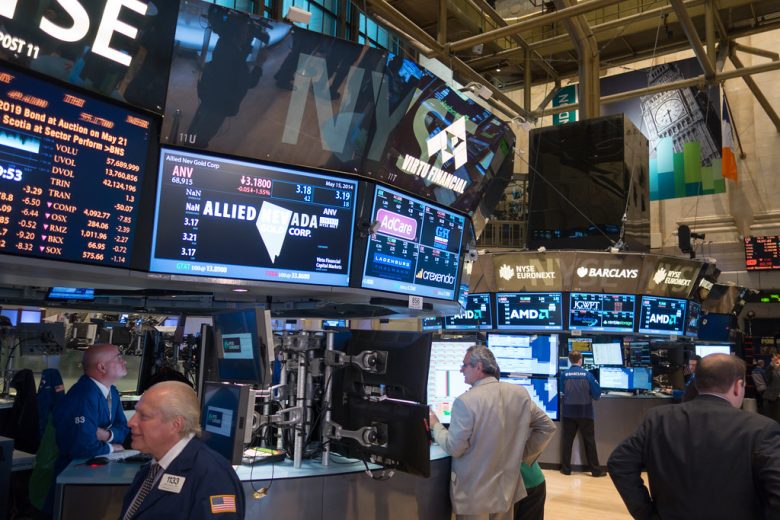
- Broad equity indices fell more than 2% and the 10-year Treasury yield climbed above 5%, deepening pressure on risk assets.
Gold fell to its lowest level in 14 months during the week of 19 November 2026, dropping to $3,625.50 per troy ounce as Federal Reserve communications cemented expectations of another interest-rate increase at the December Federal Open Market Committee meeting scheduled for 8–9 December.
The Precious Metals Rout
Gold has pulled back sharply from its peak above $3,800 per ounce earlier in 2026, as a string of resilient US data prints and hawkish Fed commentary eroded the case for an imminent pause in tightening. Silver fell to $42.83 per ounce, extending a severe correction from peaks above $121 seen in the first half of the year. Both metals, which had been boosted by safe-haven demand and inflation fears, surrendered ground as real yields climbed to multi-year highs, according to Kitco’s afternoon market summary for 19 November 2026.
The 10-year US Treasury yield rose to approximately 5.04%, reflecting the market’s reassessment of how long the Fed intends to hold rates elevated. Higher real yields increase the opportunity cost of holding non-interest-bearing assets such as gold, amplifying the metal’s sensitivity to every piece of incoming economic data.
Fed Signals December Hike
Minutes from the October FOMC meeting, released earlier in November, showed that “almost all” committee members favoured additional tightening if the economy continued to perform above potential. Fed funds futures markets priced roughly 90% odds of a 25-basis-point hike at the December meeting, leaving little uncertainty about the near-term policy trajectory and removing the ambiguity that had previously provided gold some support.
The hawkish US stance contrasts with the posture of several other major central banks. The European Central Bank has been debating whether to pause, while emerging-market rate cycles vary widely. South Korea’s Bank of Korea delivered its own third hike of 2026 this week, underscoring that the global tightening impulse, while uneven, is not yet exhausted.
Equities and Energy Also Under Pressure
Equity markets absorbed the same repricing during the week of 19 November. The Dow Jones Industrial Average fell 2.19%, the S&P 500 shed 2.02% and the Nasdaq Composite declined 2.25%, according to Kitco’s market summary. The selloff reflected a broad shift in risk sentiment as investors recalibrated portfolios for a higher-for-longer rate environment heading into year-end.
Oil benchmarks held relatively firm by comparison: West Texas Intermediate traded around $83.21 per barrel and Brent crude near $91.98. Energy equities provided a partial buffer for broader index returns, supported by OPEC+ supply discipline and rising winter demand across the northern hemisphere.
What Traders Are Watching
The December FOMC meeting is now the dominant near-term catalyst for precious metals. A hike broadly in line with expectations may stabilise gold around current levels if the Fed simultaneously signals a subsequent pause; a more hawkish dot plot could push the metal back toward $3,500. Conversely, any significant miss in US employment or inflation data before December 8 could revive pause expectations and trigger a sharp short-covering rally.
Earlier coverage on this site tracked the beginning of gold’s current downturn: gold’s worst week of 2026 marked the start of the correction and drew attention to the growing divergence between bullion prices and equity market valuations.