
- Nvidia has told Dell and Super Micro to pause AI server deliveries to Malaysia, Singapore, Thailand and Indonesia while it verifies export licence compliance.
- The Justice Department is separately investigating two Nvidia customers for allegedly smuggling chips to China via Southeast Asian intermediaries.
- S&P Global Ratings placed Nvidia on negative CreditWatch and cut its governance score, citing uncertainty following CEO Jensen Huang’s departure and reinstatement.
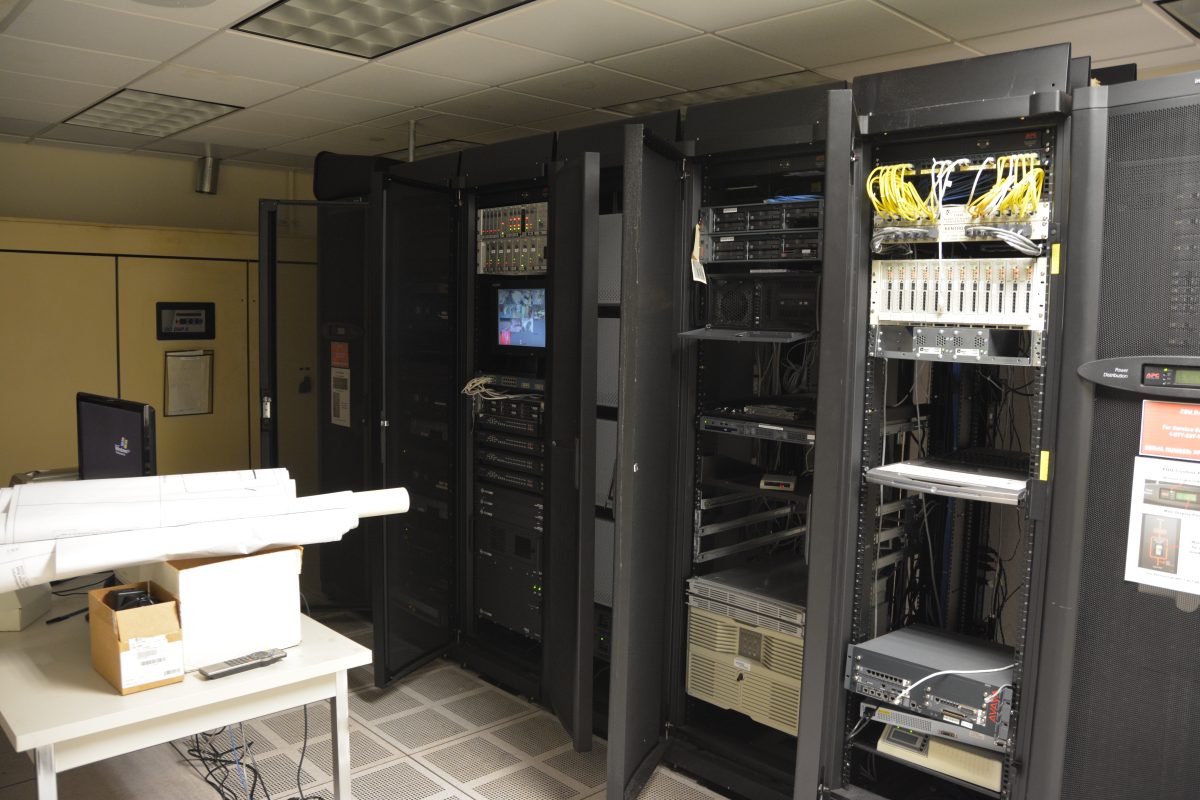
Nvidia has instructed key server-manufacturing partners Dell Technologies and Super Micro Computer to pause deliveries of AI server systems to customers in Malaysia, Singapore, Thailand and Indonesia while the company verifies that end-user compliance documentation satisfies new US Commerce Department export licensing requirements, according to a WorldAttention briefing on 27 November 2026.
The Compliance Pause
US export control regulations updated earlier this year require Nvidia and its distribution chain to obtain individual end-user licences within 90 days for AI accelerator shipments to a range of countries. The delivery pause reflects Nvidia’s decision to halt fulfilment until it has verified that existing orders carry complete and current authorisations — a process the company expects to take several weeks to work through given the volume of pending transactions.
The affected product lines include Nvidia’s highest-performance data-centre GPUs, which have been in intense demand across Southeast Asia as regional governments and private investors race to build out AI infrastructure. Malaysia, in particular, has positioned itself as a regional data-centre hub, with several large campuses under construction outside Kuala Lumpur and Johor Bahru.
DOJ Investigation Deepens
Compounding the compliance pause, the Department of Justice is investigating two unnamed Nvidia customers over alleged chip-smuggling networks that prosecutors say routed restricted US semiconductors to Chinese end-users via Southeast Asian front companies. The investigation has not resulted in charges against Nvidia itself, but the DOJ has subpoenaed records from the company and several of its regional distributors.
The scrutiny adds to a difficult period for the chipmaker. Jensen Huang, Nvidia’s founder and chief executive, departed the company earlier this year before being reinstated following a board review — a sequence of events that S&P Global Ratings cited when it cut Nvidia’s governance score and placed the company on negative CreditWatch, warning that prolonged management instability could affect Nvidia’s ability to navigate an increasingly complex regulatory environment.
Market Reaction in Southeast Asia
Local equities linked to Malaysia’s data-centre boom fell sharply on the news. MN Holdings and Critical Holdings — two Malaysian companies heavily exposed to data-centre construction and power infrastructure — each declined approximately 20% as investors reassessed the timeline and volume of hardware deliveries underpinning regional expansion plans.
The pullback illustrates the degree to which Southeast Asian infrastructure growth has been built around the assumption of uninterrupted Nvidia GPU supply. Analysts warn that even a temporary pause could delay data-centre energisation schedules by months if replacement hardware cannot be sourced from alternative vendors in the near term.
Broader Export-Control Context
The delivery pause fits into a wider pattern of US efforts to prevent AI chips from reaching Chinese military and surveillance users through third-country intermediaries. Commerce Department officials have described Southeast Asia as a key transit vector in enforcement briefings this year. This site reported earlier this month on how US chip export rules have put the entire Southeast Asian data-centre boom at risk — a dynamic that the latest Nvidia pause is now translating from policy risk into operational reality.
Nvidia has not publicly commented on the delivery pause or the DOJ investigation. Super Micro declined to comment; Dell Technologies referred queries to Nvidia. The situation is expected to evolve rapidly as the 90-day licensing window approaches its midpoint for the first cohort of affected shipments.