
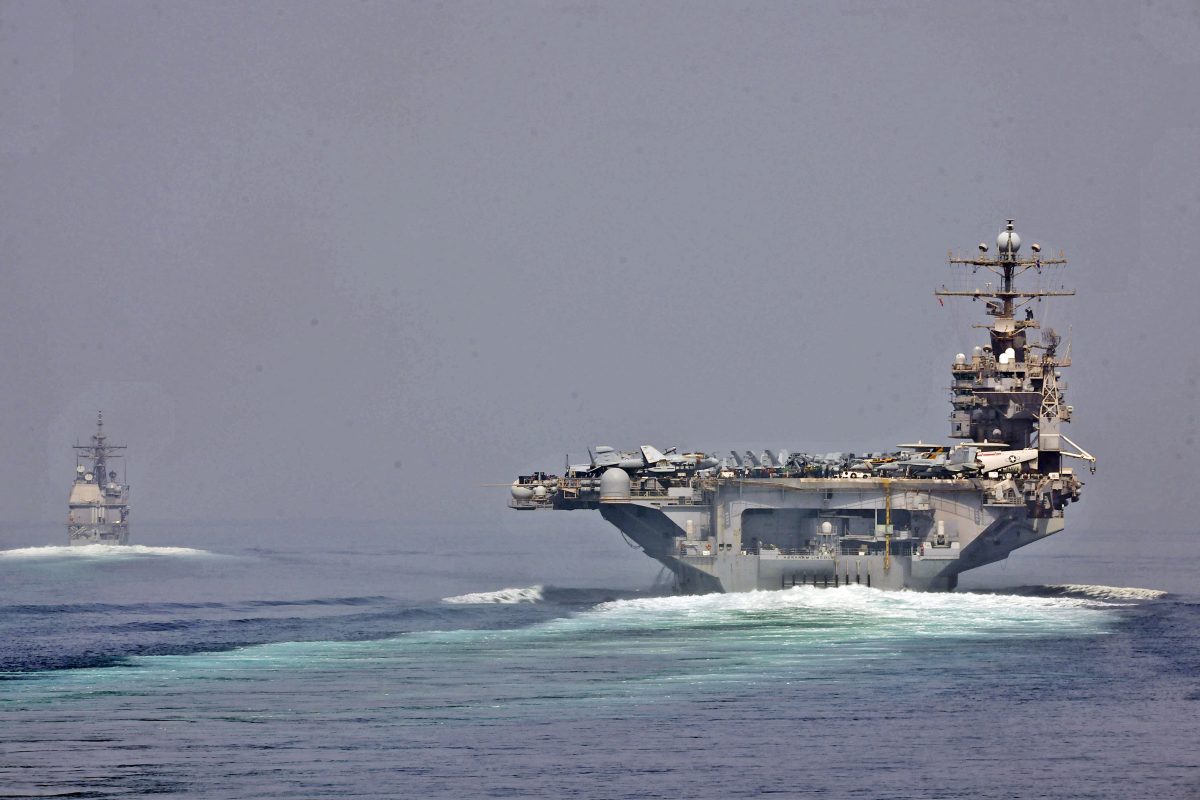
- Lead. President Trump on Thursday canceled planned strikes against Iran and declared the two countries were close to signing a memorandum of understanding to end hostilities, with a ceremony possible as early as this weekend.
- Fact. The agreement, if signed, would lift the U.S. naval blockade of the Strait of Hormuz and commit Iran to removing all mines from the strait within 30 days, ending months of disruption to global oil shipping.
- Stake. Trump predicted oil prices would drop “like a rock” once the blockade is lifted — a development that could significantly ease the energy-driven inflation gripping the global economy.
The announcement
Announcing the cancellation on social media on June 11, Trump stated: “We just made a great settlement of the war with Iran…probably have a signing, maybe in Europe.” He attributed the breakthrough to Iran’s military losses, saying the other side had “taken a pounding like very few people could take.” Vice President JD Vance is expected to attend the signing; Trump himself has indicated he will not travel for the ceremony.
The announcement came hours after U.S. forces shot down two Iranian attack drones in the Strait of Hormuz, underscoring how fragile the environment remains even as negotiators push toward a final document. ABC News’s live coverage captured the striking juxtaposition of ongoing military engagements and diplomatic progress occurring within hours of each other.
What the deal contains
The memorandum of understanding is described as “a little conceptual,” with key details to be negotiated during a 60-day window after signing. The framework requires shipping through the Strait of Hormuz to be “unrestricted,” with no tolls and no harassment of vessels. Iran must remove all mines from the strait within 30 days. The document also contains a commitment from Tehran not to pursue a nuclear weapon, and initial negotiations during the 60-day window are expected to focus on the disposal of Iran’s highly enriched uranium stockpile.
Israel’s stated conditions are more expansive: full removal of enriched nuclear material, dismantling enrichment infrastructure, curtailing missile production, and ending support for regional proxy groups. Whether the MOU’s language satisfies those conditions remains unclear.
The road to this point
The path to this breakthrough has been circuitous. Gulf leaders intervened in May to delay a U.S. strike, and subsequent weeks saw the April ceasefire collapse, Iranian strikes on Kuwait and Bahrain, and sustained Hormuz disruptions. The current momentum follows a period in which Iran’s economy has cratered under the combined weight of intensified sanctions and military losses, narrowing the gap between the two sides’ negotiating positions.
Even if the ceremony proceeds this weekend, the agreement’s durability will depend on Iranian domestic politics — where hardliners retain influence despite the military setbacks — and on the willingness of all parties to honor the 60-day negotiation framework that would address the nuclear program’s long-term future.