
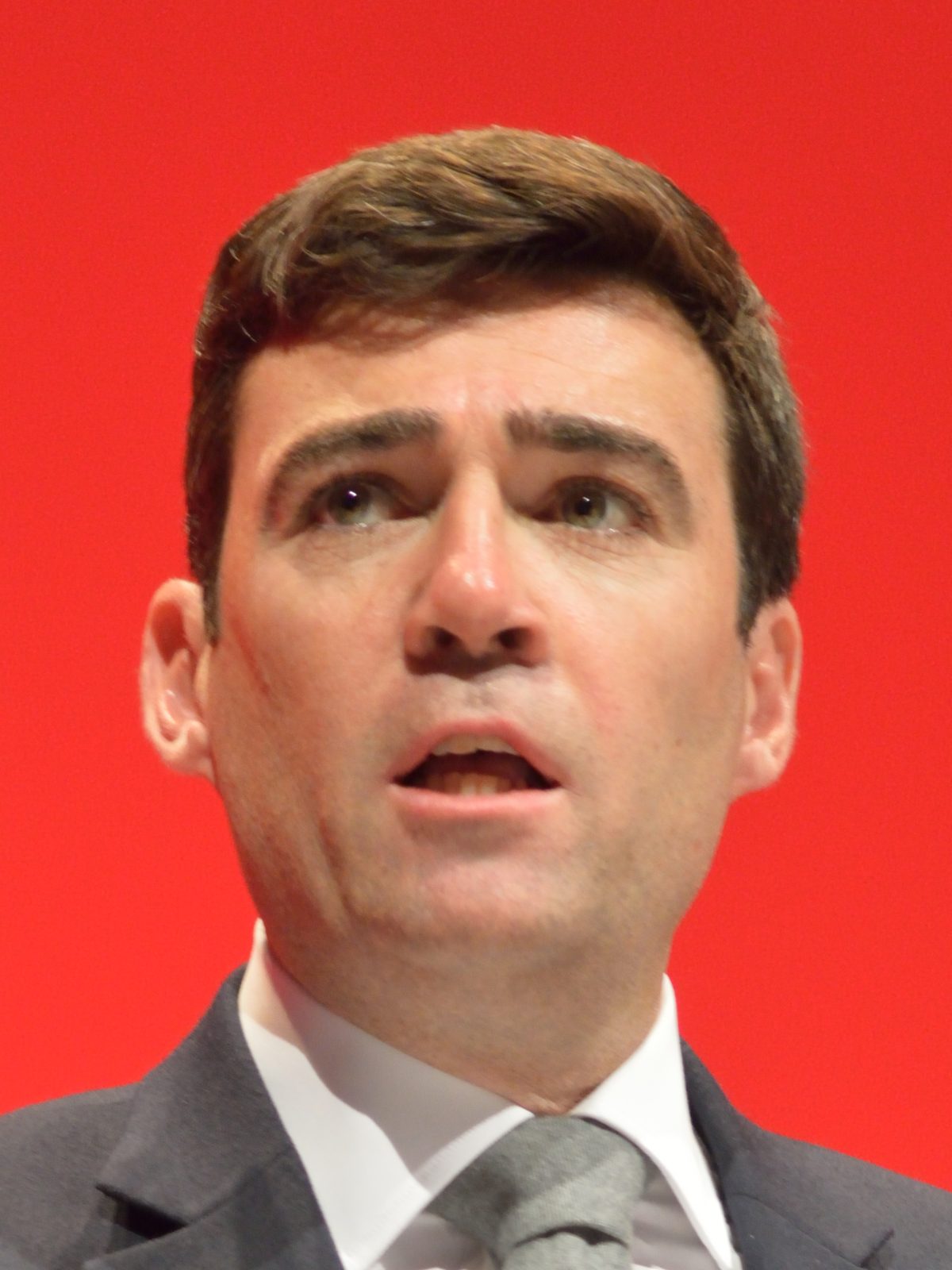
- Vote. Andy Burnham won the Makerfield by-election on June 18 with 54.81% of the vote and a majority of 9,231, taking a seat arranged specifically so he could mount a Labour leadership challenge against Prime Minister Keir Starmer.
- Threshold. Burnham needs formal nominations from 81 Labour MPs to trigger a leadership contest — and 97 MPs have already publicly called for Starmer to resign.
- Precedent. Makerfield is the first by-election since 1965 designed to bring an outsider into Parliament as a stepping stone to high office.
Josh Simons, the sitting Labour MP for Makerfield, resigned his seat with the express purpose of creating a parliamentary opening for Andy Burnham, the Mayor of Greater Manchester. Labour party rules require leadership candidates to hold a seat in the Commons, making Simons’s resignation a deliberate enabling act — one that Starmer loyalists inside the party privately described as an act of political self-harm against an already embattled prime minister.
A landslide in a Labour stronghold, with a Reform warning
Burnham’s 24,927 votes gave him a 9,231-vote majority over Reform UK’s Robert Kenyon, who secured 34.51% of the vote. Turnout reached 58.75%, high for a modern by-election, with 45,476 ballots cast. The Conservatives were reduced to 2.19%, the Greens to 0.68%. The strong Reform showing in a seat once considered a Labour heartland reflects the continued advance of Reform into Labour’s traditional working-class base — the precise dynamic driving calls for a change of party leadership.
The arithmetic of a leadership challenge
Winning the by-election was necessary but not sufficient. Burnham now must secure nomination letters from at least 81 Labour MPs before a formal contest can begin. The numbers suggest proximity: 97 Labour MPs have already signed public calls for Starmer to resign. Whether those 97 translate into formal personal nominations for Burnham depends on whether he can convert generalised discontent into explicit individual endorsements — a harder task than a collective petition.
Some Starmer loyalists declined to campaign in Makerfield, viewing the by-election as a barely disguised leadership provocation. Starmer himself had previously suggested Burnham was unlikely to seek a parliamentary seat before 2028, a position overtaken entirely by Simons’s resignation and Thursday’s vote. The prime minister has not publicly commented on Burnham’s intentions following the result.
What Burnham brings to a contest
Burnham has served as Mayor of Greater Manchester since 2017, winning re-election by wide margins and building a record as an administrator willing to confront central government directly, most publicly during his stand-off with Downing Street over pandemic funding for Greater Manchester. His pitch against Starmer centres on economic messaging: he has argued that Labour lacks a coherent programme for voters who have drifted to Reform, and that the current government’s fiscal approach has failed to reconnect with working-class communities in the Midlands and North. The 2026 Makerfield by-election — the first of its kind in six decades — has at minimum reset the internal clock on Labour’s leadership question.