
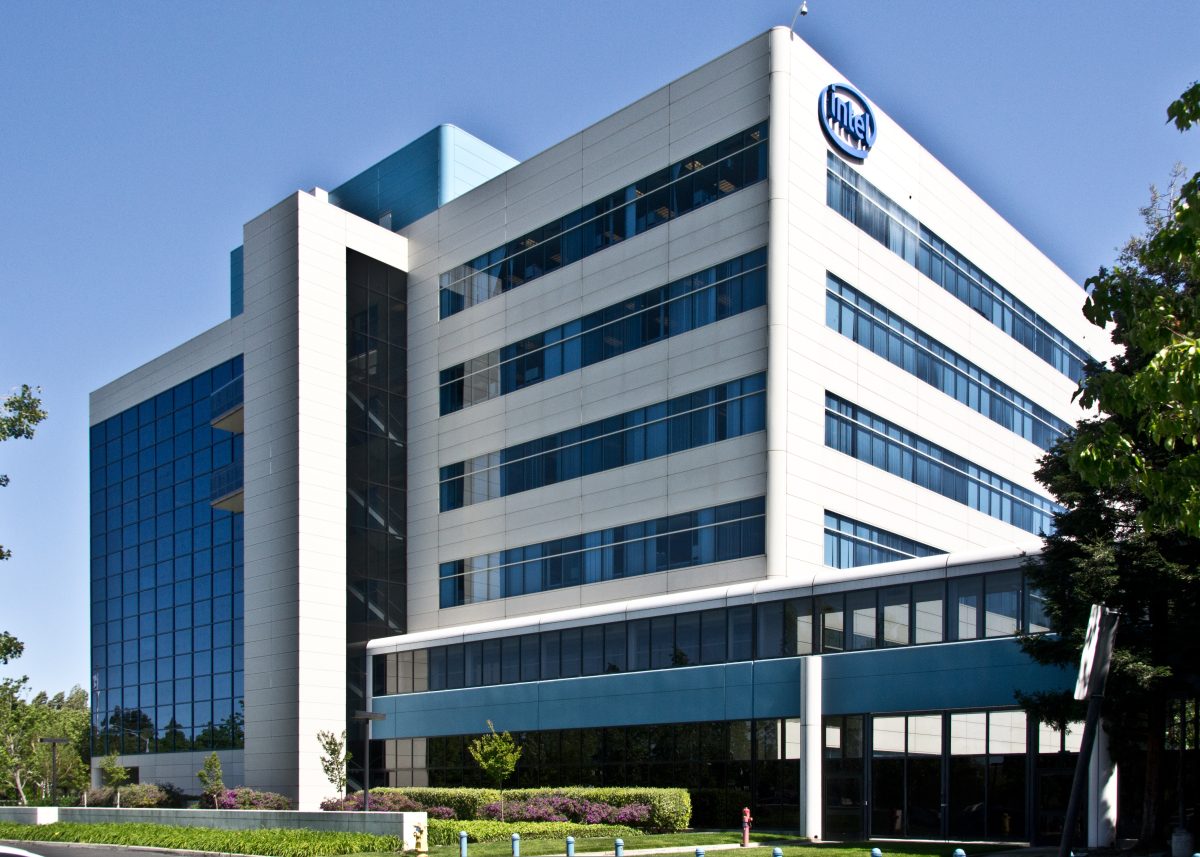
- Surge. Intel shares rose 10.6% on June 18 to a new high — the stock’s largest single-day gain in months — after President Trump said Apple and Intel would work together on chip design and manufacturing in the United States.
- Ripple. The Philadelphia Semiconductor Index (SOX) gained 6.4%, its strongest advance in months, while the Nasdaq 100 closed 2.4% higher, lifting the index’s weekly gain to 2.43%.
- Strategic logic. An Apple manufacturing contract would be the single most consequential customer win for Intel’s struggling foundry unit, which has faced an uphill battle competing against Taiwan Semiconductor Manufacturing Company (TSMC).
President Trump announced on June 19 that Apple had agreed to work with Intel on chip design and manufacturing in the United States. The announcement followed more than a year of reported negotiations between the two companies, confirmed by a Wall Street Journal report in May that discussions had reached a preliminary stage. Trump did not disclose specific financial terms or identify which Apple chips Intel would produce. Intel said it would not comment “about a potential Apple-Intel agreement,” and Apple did not immediately respond. Markets treated the presidential announcement as confirmation of a deal in formation.
What a deal would mean for Intel’s foundry
Intel supplied chips for Apple’s Mac computers for roughly 15 years before Apple switched to its own M-series processors — manufactured by TSMC — in 2020. A return of Apple’s manufacturing business to Intel, even for a subset of chips, would validate Intel Foundry Services’ competitive position in a way that few other customer announcements could. TSMC is operating under growing capacity constraints as Nvidia and AMD’s AI chip demand absorbs its leading-edge production capacity, and Apple has been seeking a second sourcing option. The Apple-Intel arrangement also fits the Trump administration’s push for domestic semiconductor production: Apple pledged an additional $500 billion in US investment in February, and domestic chip manufacturing is central to that commitment. Trump said the US government’s approximately 10% stake in Intel had grown to over $50 billion in value as a result of the news.
The broader market reaction
The semiconductor rally spread well beyond Intel. The Philadelphia Semiconductor Index closed up 6.4%, a sectoral move of sufficient size to lift broader equity indices even as headwinds persisted elsewhere. The Nasdaq Composite rose 1.91% (496 points) to 26,517.93; the S&P 500 gained 1.08% to 7,500.58; and the Russell 2000 small-cap index hit a new record close, rising 2.1%. Trading volume was elevated at 33.59 billion shares versus a 20-session average of 21.83 billion, amplified by triple witching — the quarterly simultaneous expiration of equity options, index options, and futures contracts.
Not all sectors participated. Accenture fell approximately 18% after cutting revenue guidance, a signal that enterprise IT consulting demand, closely tied to corporate capital budgets, remains under pressure. Markets also priced roughly a 50% probability of a Federal Reserve rate hike in September, following last week’s signal from nine FOMC policymakers that a 2026 increase is possible — dynamics that have already hit chip-adjacent stocks this year, as seen when Broadcom fell 15% on flat AI guidance. US equity markets are closed on Friday for the Juneteenth holiday.