
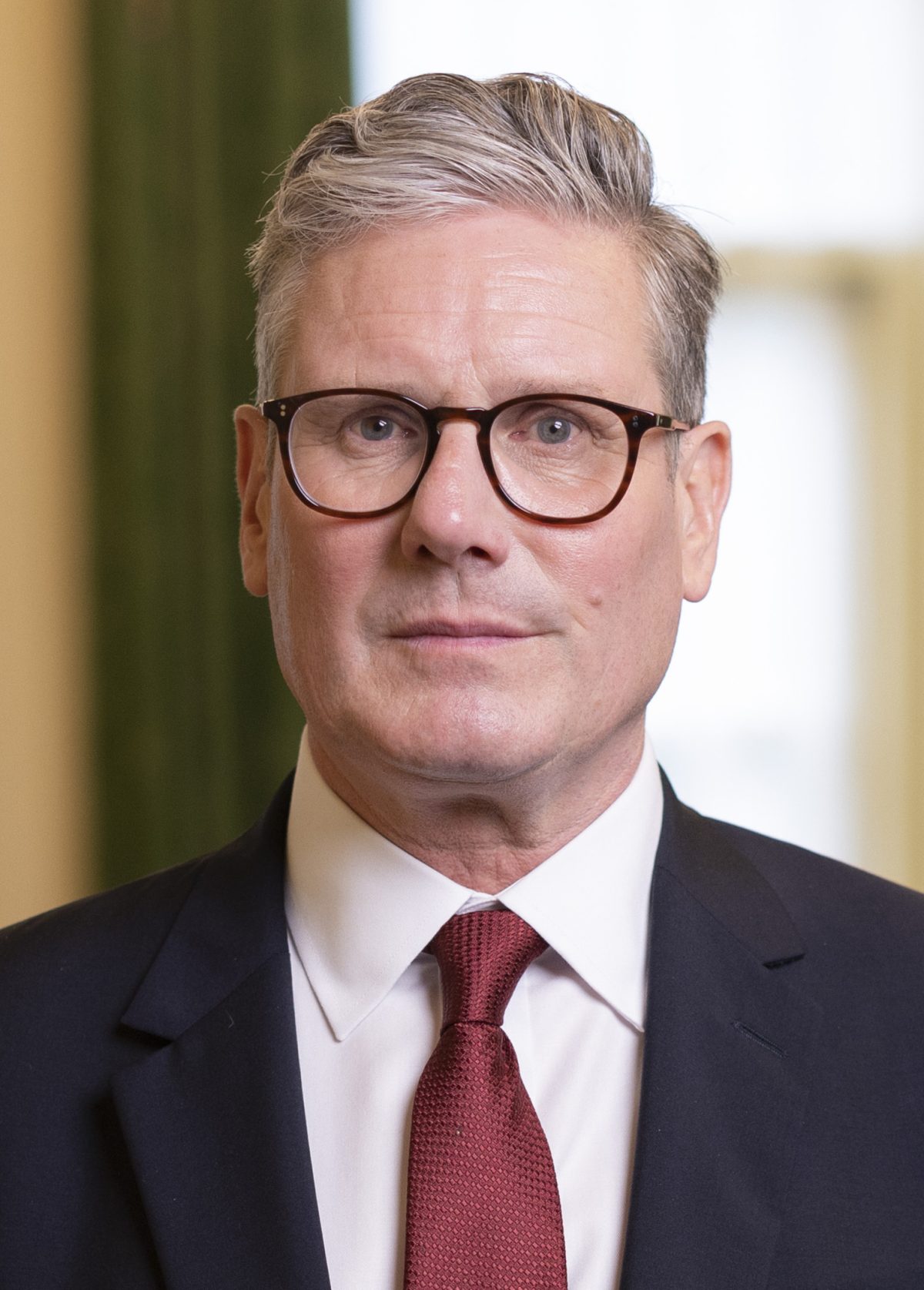
- Lead. Keir Starmer resigned as UK Prime Minister on June 22, 2026 — less than two years after Labour’s 2024 landslide — after the party lost 1,496 council seats in May’s local elections while Reform UK seized 1,453 seats and took control of 14 councils.
- Fact. Starmer becomes the sixth UK prime minister to resign outside Downing Street in seven years, in a run of political instability that has made the UK one of the most volatile democracies in the Western world by leadership turnover.
- Stake. Andy Burnham, the Greater Manchester mayor who won the Makerfield by-election with 55% of the vote, has secured backing from at least 81 Labour MPs and is the front-runner to succeed Starmer before Parliament returns in September.
Starmer’s resignation announcement came after months of internal party pressure — the final chapter of a period tracked here as cabinet ministers pushed him to name a departure date. In his statement, Starmer said: “The question my party is asking now is whether I am best placed to lead us into the next general election. I have heard the answer of my parliamentary party to that question, and I accept that answer with good grace.” The resignation was confirmed on June 22, according to Al Jazeera.
The Local Election Collapse That Made His Position Untenable
The proximate cause of Starmer’s departure was the scale of Labour’s May 2026 local election losses. The party dropped 1,496 council seats while Reform UK added 1,453 councillors and took control of 14 councils — a swing that reduced Labour’s local government footprint dramatically in the same communities the party needs to win general elections. The losses were compounded by a voter sentiment reading that Reform was now competitive not just as a protest vehicle but as a governing force at the local level, raising the stakes of any leadership question entering the next election cycle.
Burnham Enters as Frontrunner
Nominations for the Labour leadership contest open July 9 and close July 16, with a new leader expected before Parliament reconvenes in September 2026. Burnham declared he would stand after winning the Makerfield by-election — a seat previously lost to Reform UK — with 55% of the vote, defeating the Reform candidate by more than 9,200 votes. He told reporters: “I will put myself forward as part of this process.” By the time of Starmer’s departure, Burnham had secured at least 81 Labour MP endorsements, surpassing the 20% parliamentary threshold required to formally enter the race.
Former Health Secretary Wes Streeting, previously seen as Burnham’s main challenger, chose to endorse Burnham rather than stand himself — effectively clearing the field for a more compressed contest. Burnham’s combination of regional political identity, a Northern powerbase, and a track record of winning back Reform-threatened seats has positioned him as the candidate best able to present Labour as a credible alternative to Farage’s party in the seats where Reform has made its largest gains.
A Seventh Prime Minister in a Decade
Starmer’s departure means the UK will have cycled through seven prime ministers in ten years if a successor is confirmed by autumn — a record in modern British political history and a symptom of structural instability that neither Conservative nor Labour governments have managed to reverse. Each resignation since 2016 has been driven by a different precipitating cause, but the pattern has established a de facto expectation of short tenures and leadership vulnerability that now conditions the environment in which Burnham or any other successor will have to govern. Whether Labour’s internal contest produces a candidate capable of stabilising the party against Reform’s continued advance is a question the membership, and ultimately the electorate, will answer.