
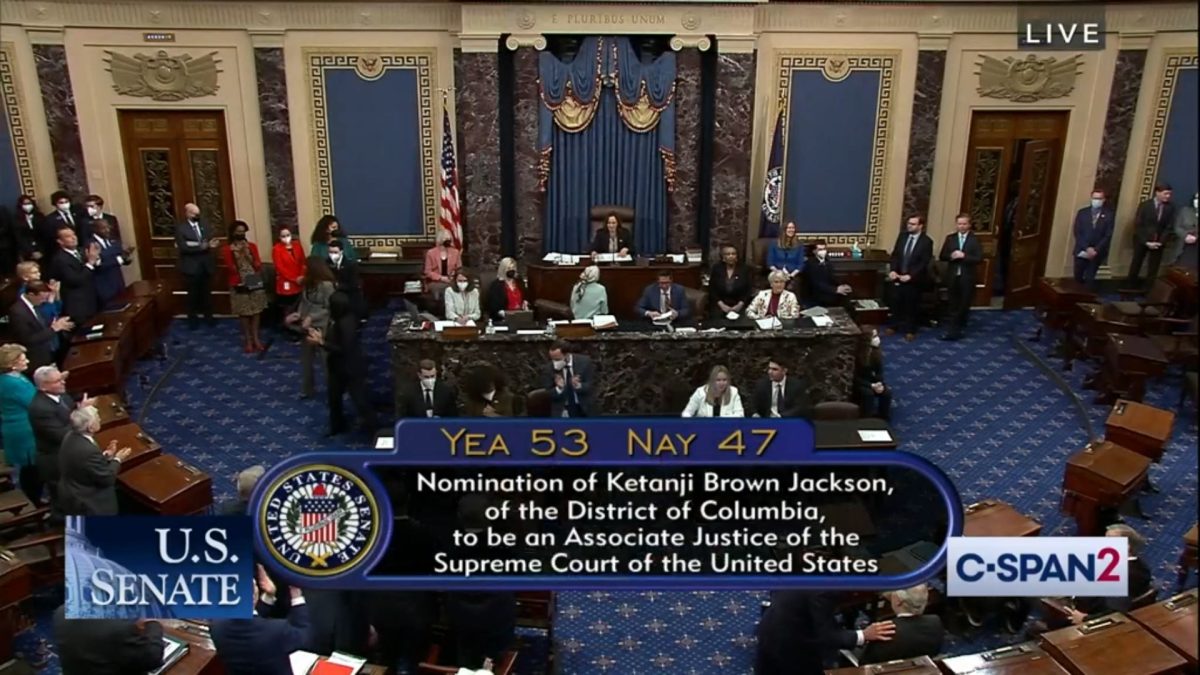
- Lead. The US Senate voted 50-48 on 23 June to pass a war powers resolution directing President Trump to remove American forces from hostilities against Iran — the first time both chambers of Congress have sent such a measure in the four-month-old conflict.
- Fact. Four Republican senators crossed party lines: Bill Cassidy, Lisa Murkowski, Susan Collins and Rand Paul. Democrat John Fetterman was the sole member of his party to vote against.
- Stake. The resolution is a concurrent measure and lacks the force of law, leaving Trump free to disregard it — but the vote is a documented rebuke with implications for Republican unity ahead of the 2026 midterms.
What the resolution says
The measure, as reported by Al Jazeera, directs the president to remove US armed forces from hostilities against the Islamic Republic of Iran. Limited military presence remains permitted for the narrow purpose of preventing imminent attacks on American personnel. The House had already approved the same text on 3 June by 215-208, making this the first instance in the conflict’s history of a war powers measure clearing both chambers simultaneously.
Rand Paul’s participation was anticipated; the Kentucky senator has consistently opposed executive war-making without congressional authorisation. The presence of Collins, Murkowski and Cassidy was more significant. All three have supported previous Iran-related defence authorisations while raising procedural objections to the administration’s conduct. Their votes signal that at least a portion of the Republican caucus is prepared to register dissent in a binding roll-call record, even on a symbolic instrument.
Symbolic, but with weight
Because the resolution is a concurrent measure rather than a joint resolution presented to the president, it does not carry the force of law. Trump cannot veto it, but he is also under no legal compulsion to comply. Administration officials have not indicated any change in operational posture as a result of the vote.
This was the tenth attempt Congress has made to constrain the US-Israel war on Iran since hostilities began on 28 February. A previous Senate effort failed by a single vote as key Republicans shifted their positions at the last moment — making Tuesday’s 50-48 passage the clearest indication yet that antiwar sentiment is hardening within the majority party. A Reuters-Ipsos poll found only 24 percent of Americans believe the conflict has been worth its costs.
What changes — and what does not
The practical impact of the vote is limited. The administration retains full operational authority over the campaign, which has involved sustained strikes on Iranian military and nuclear infrastructure since late February. A formal war declaration or separate authorisation act — neither of which has cleared committee — would be required to legally direct or constrain the president’s war-making in a way courts would enforce.
What does change is the political ledger. The bipartisan majority on record against the conflict’s continuation gives additional cover to Republican members facing competitive races in 2026. It also strengthens the hand of legislators seeking to attach conditions to defence appropriations legislation, where spending bills — unlike concurrent resolutions — do carry the force of law. That fight is expected to intensify as the fiscal year deadline approaches.