
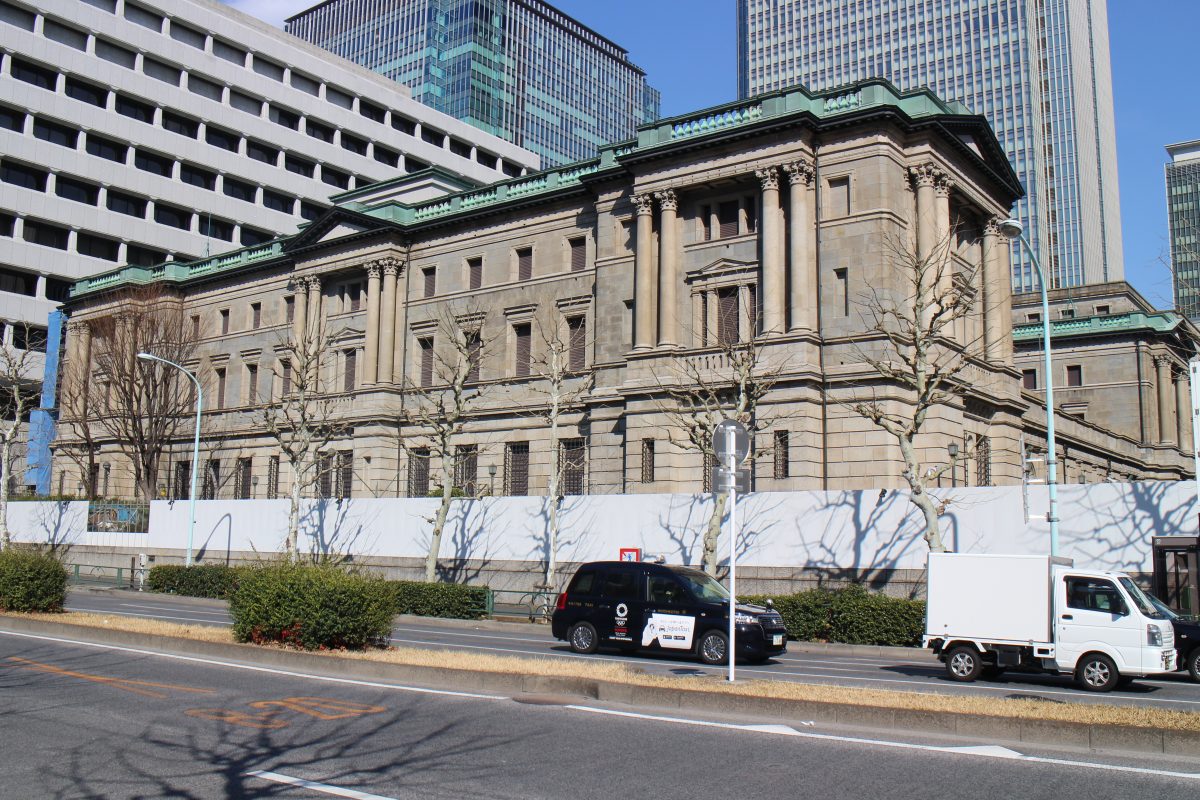
- Lead. The Bank of Japan’s Summary of Opinions from its June 15–16 policy meeting—published June 24—showed board members broadly committed to continuing rate increases, with one directly stating that the neutral interest rate “appears to be at around 2 percent” and that Japan should move toward it promptly.
- Fact. The board voted 7–1 to raise the policy rate to 1.0% at the June meeting, the highest level since 1995. The same session also resolved to halt the reduction of Japanese government bond purchases from April 2027, citing market stability concerns.
- Stake. Further hikes would represent the most aggressive sustained monetary-tightening cycle Japan has undertaken in three decades, with direct implications for yen carry-trade dynamics and the global capital flows that depend on a cheap-yen assumption.
What the board members said
The Summary of Opinions is released with a one-week delay after each BOJ policy meeting; its value lies in surfacing how individual members are thinking without attributing views to named individuals. The June edition was notably assertive on direction.
Multiple opinions called for maintaining a stance that would allow continued rate adjustments. “Given that underlying CPI inflation has been approaching 2 percent and financial conditions have been accommodative, it is appropriate for the Bank to continue to raise the policy interest rate,” one member’s summary read. Another called for hikes “with intervals of a few months in mind,” placing the neutral rate at around 2 percent and urging the board to approach it “as soon as possible.”
A third opinion cited the exchange rate explicitly: “Import prices have also been driven up by exchange-rate developments,” placing a burden on small and micro firms. Japan has spent 11.7 trillion yen—approximately $73.5 billion—on currency intervention since May without sustainably reversing the yen’s slide toward ¥160 per dollar. For those members, further tightening is a tool for addressing the yen problem as much as for managing domestic inflation.
The lone dissent: a deflation warning
The board’s sole dissenter offered a counterpoint that cannot be easily dismissed. The Middle East conflict’s energy supply shock had tilted risks toward the downside for production and employment, this member argued, and raising rates too quickly risked pushing Japan—which had only recently exited a prolonged deflationary episode—back into deflation. “In the worst-case scenario, this could potentially cause Japan’s economy to fall back into deflation again,” the summary read.
The concern reflects a genuine tension: Japan’s current inflation is partly imported cost pressure from the war, not demand-driven overheating. Tightening against an external supply shock is a different policy choice than tightening against excess demand, and the consequences of error in the downside scenario are severe for an economy with very limited space below the zero lower bound.
What comes next
Markets do not expect the next BOJ move before the fourth quarter of 2026. The June 16 decision to raise to 1% was the bank’s first increase since December 2025. If the neutral rate is indeed around 2%—as several board members now indicate—the BOJ faces at least another 100 basis points of tightening ahead, each step carrying yen volatility risk and domestic political scrutiny under the Takaichi Cabinet, which the June summary identifies by name as the government counterpart asking the bank to “carefully explain the policy intention” of its decisions to markets.
The official Summary of Opinions, published June 24 on the BOJ’s website, is the primary source for the direct quotes cited here.