
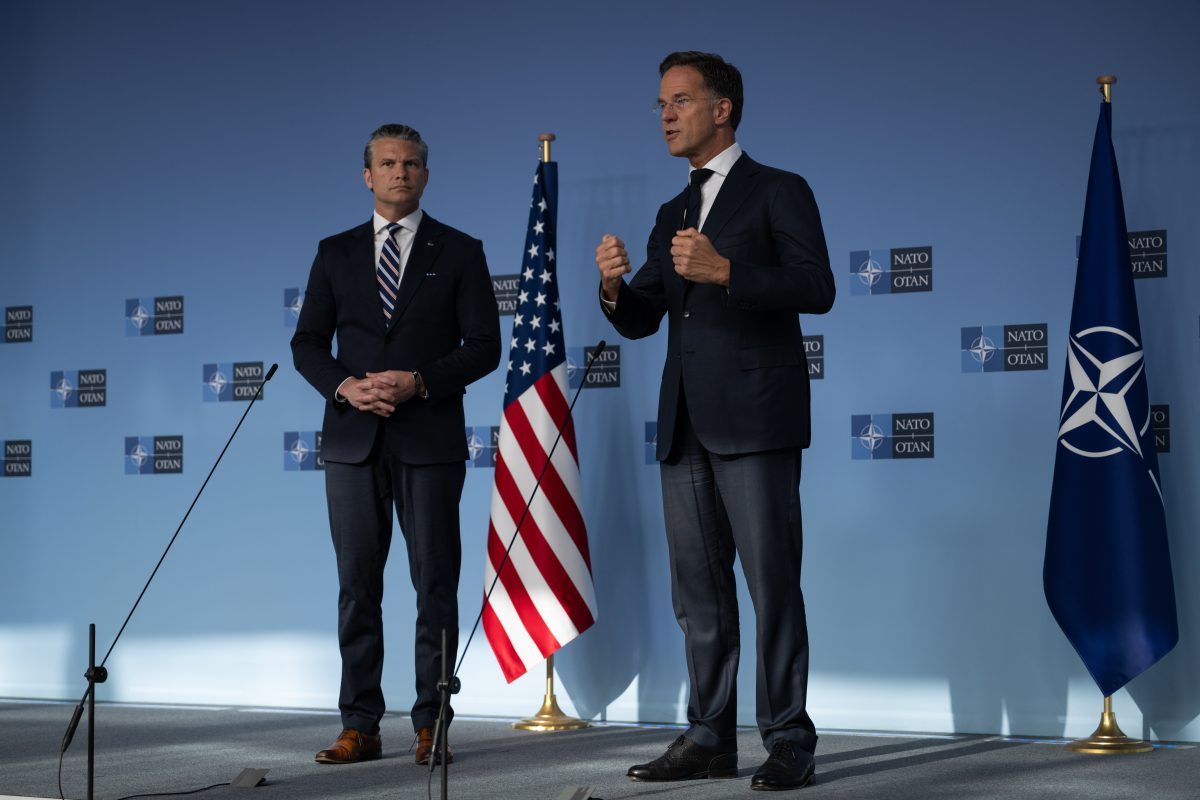
- Lead. The Trump administration has quietly cut 5,000 US soldiers from Germany and halted a planned rotation of more than 4,000 troops to Poland — reductions that are framing the 2026 Ankara NATO summit, opening 7 July, as the most consequential test of the alliance’s cohesion in the post-Cold War era.
- Fact. NATO allies are set to endorse a new defence-spending pledge of 5% of GDP by 2035 at the summit, hosted by Turkish President Recep Tayyip Erdoğan at Ankara’s Presidential Complex, but the US drawdowns signal that Washington’s commitment to conventional European defence is being actively recalibrated.
- Stake. Pentagon policy chief Elbridge Colby has framed the new posture — internally labelled “NATO 3.0” — as a shift toward US nuclear deterrence while Europeans absorb greater conventional responsibility, a doctrine that European governments are being asked to endorse without formal consultation.
What has changed on the ground
According to reporting in Newsweek, a formal six-month review of all US troop levels and assets in Europe is underway, and the 5,000-soldier Germany reduction and the halted Poland rotation represent the first visible outputs of that review. General Alexus Grynkewich, Supreme Allied Commander Europe, offered the official framing: “As the European pillar of the alliance gets stronger, this allows the US to reduce its presence in Europe.” The statement positions the drawdowns as a reward for European defence investment rather than a withdrawal of commitment.
The Economist reported this week that the White House has hinted it will not automatically defend the Baltic states, and that the administration has expressed concern about NATO missile systems capable of striking deep into Russia — a position that, if confirmed, would represent a significant departure from the collective-defence guarantees codified in Article 5.
The summit comes as European defence budgets are rising sharply. Germany’s Bundeswehr spending hit a 36-year high of $114 billion, and several European NATO members now meet or exceed the 2% GDP target that was for years treated as an aspirational floor rather than a binding obligation.
What happens in Ankara
The 36th NATO summit — Turkey’s first time hosting since Istanbul in 2004 — has designated its entire first day as a “defence industry day,” with Secretary General Mark Rutte expected to announce new contracts worth tens of billions of dollars. The headline communiqué item is the 5% GDP pledge, split between 3.5% for direct military needs and 1.5% for security infrastructure and civil resilience.
Ukrainian President Volodymyr Zelenskyy is attending as a non-NATO invitee, alongside representatives from Australia, Japan, South Korea, New Zealand, and Azerbaijan. US Secretary of State Marco Rubio has publicly warned that Trump’s “dissatisfaction regarding the pace at which allies are fulfilling their obligations” will be on the agenda. Per Politico, summit organisers have planned only a three-hour working session to keep Trump engaged across the two days.
The Hegseth Brussels review in February first signalled the formal end of the assumption that US force levels in Europe would remain stable regardless of allied spending — Ankara now translates that signal into a structural adjustment.
European responses
Carnegie Endowment analyst Stephen Wertheim observed that “that illusion [of appeasing Trump] is gone,” while Europe Program scholar Sophia Besch noted that European allies are now seeking “greater predictability” rather than restored trust, as drawdowns appear driven by “reward and punishment” logic rather than strategic assessment. A Czech constitutional dispute added a sideshow: both the President and Prime Minister claimed to lead Prague’s summit delegation, prompting a preliminary injunction from the Constitutional Court.