
- Lead. The Dow Jones Industrial Average closed at 52,900.07 on 2 July — a new all-time record — while spot gold surged to $4,182.80, both driven by the June payrolls miss, which cut the probability of a Federal Reserve rate hike at the 29 July FOMC meeting from roughly 50% to below 30%.
- Fact. The Dow’s 594-point gain stood in contrast to the Nasdaq Composite, which fell 207 points as semiconductor stocks led losses: Sandisk, Micron, Applied Materials, and Lam Research each shed around 10%, while Tesla dropped 7% despite beating Q2 delivery estimates.
- Stake. Gold’s $57 intraday gain reversed a near-9% pullback from its June highs, confirming the metal’s sensitivity to rate expectations rather than geopolitical stress — and raising the question of how durable the rally is if July inflation data comes in hot.
A split market reaction
The Dow’s record close at 52,900.07 came alongside an S&P 500 that finished essentially flat — up just 0.01 points to 7,483.24 — while the Nasdaq fell 0.80%, reflecting a sharp intra-day rotation out of technology and into rate-sensitive and defensive names. The session illustrated a market that received the same data point and drew two conclusions simultaneously: weaker growth is bad for earnings-dependent technology, but lower rate-hike odds are good for dividend-bearing and interest-rate-sensitive sectors that dominate the Dow’s composition.
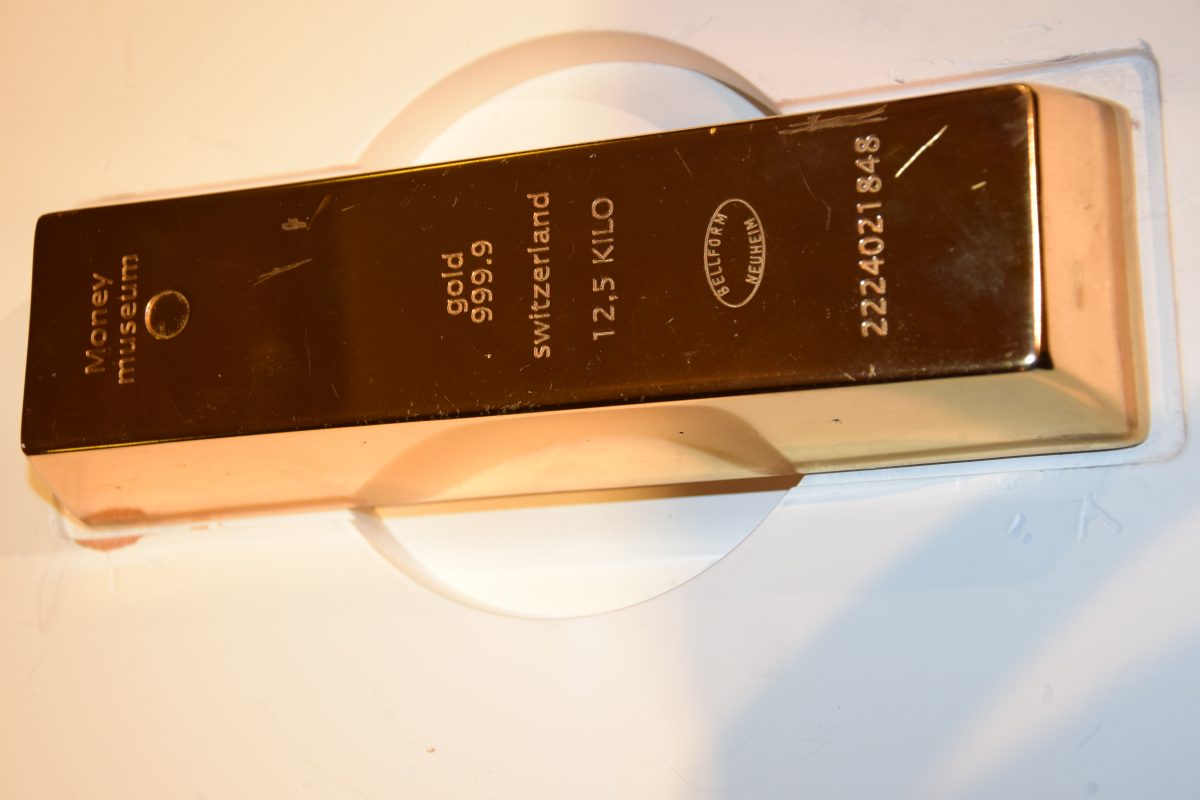
Gold’s move was more straightforward. Spot gold opened below $4,100 ahead of the 8:30am BLS release and peaked at $4,182.80 — a gain of $57.10 or 1.38% on the session — as traders priced out the July hike and brought rate-cut expectations back onto the curve. The metal had fallen nearly 10% in the four weeks prior as strong US data and hawkish Fed commentary boosted the dollar; the payrolls miss reversed that trend in a single session. Earlier in June, gold had dropped to a four-month low as the Iran deal removed a key geopolitical premium — the July rally is being driven by macro rate dynamics rather than war-risk repricing.
Semiconductors under pressure
The day’s most pronounced single-sector move came in semiconductors. The Philadelphia Semiconductor Index fell sharply, with Intel and Marvell both losing around 9%, and Sandisk, Micron, Applied Materials, and Lam Research each shedding approximately 10%. The selling appeared to combine the broader technology rotation with residual concern about AI capital expenditure discipline after several weeks of investor questions about whether hyperscaler AI spending will sustain chip-sector revenue projections into the second half of 2026.
Rivian bucked the trend with a 5% gain after raising its full-year 2026 delivery guidance, citing strong EV demand. Palantir received an upgrade to Buy from D.A. Davidson with a $175 price target. The divergence between cyclical industrials and momentum technology names was the dominant theme of the session, tracking with the pattern from Q2’s final session, when the S&P posted its best quarter since 2020 even as Bitcoin hit a yearly low.
Markets closed 3 July; crypto trading continues
US equity markets are closed on 3 July for the Independence Day holiday, removing a potential follow-through session that would clarify whether 2 July’s moves represent a durable rotation or a one-day positioning adjustment. Crypto markets, which trade continuously, showed Bitcoin at $60,200 as of early 3 July — up 2.54% in 24 hours — while Ethereum gained 2.62% to $1,616. Yahoo Finance’s coverage of the June jobs release noted that CME FedWatch pricing showed less than 30% probability of a July hike, the lowest since the June FOMC meeting.