
- In force. The UK-India free trade agreement enters into force on 15 July 2026, eight days from now, after more than three years of negotiations and a signing in July 2025.
- Tariff cuts. India immediately halves the duty on Scotch whisky from 150% to 75%, and cuts automotive tariffs on UK cars from more than 100% to between 30-50%, with further reductions phased over ten years.
- Scale. The deal is forecast to add 25.5 billion pounds a year to bilateral trade over the long run and boost UK GDP by 4.8 billion pounds annually, according to government projections.
Eight days before the UK-India free trade agreement takes legal effect, exporters on both sides are completing registration requirements and updating supply chain paperwork. The agreement, signed on 24 July 2025 by India’s Commerce Minister Piyush Goyal and then-UK Business Secretary Jonathan Reynolds, liberalises 99% of UK tariff lines and 90% of Indian lines, immediately making 64% of UK products duty-free in India, with 85% reaching zero over time, according to the UK government.
The sectors that benefit most on day one
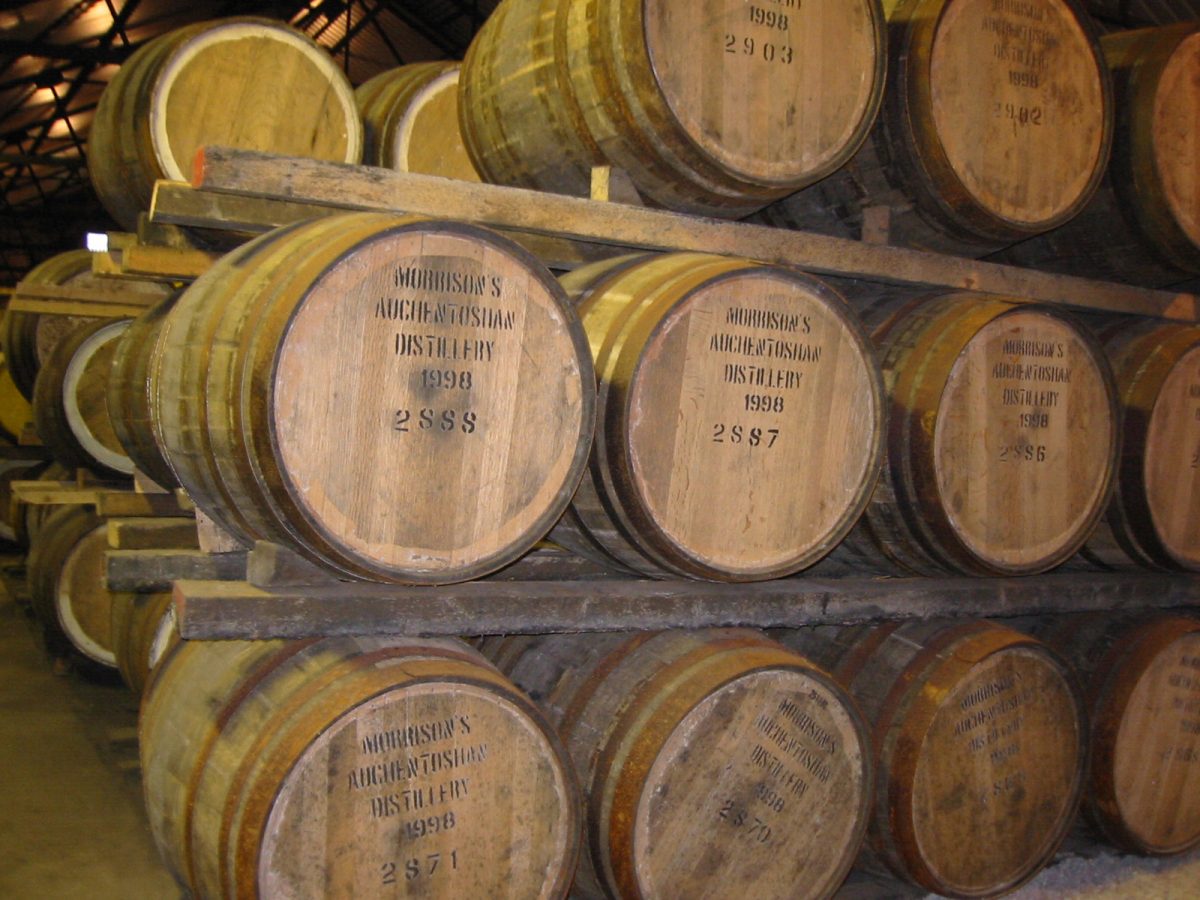
Scotch whisky exporters stand to gain most visibly in the short term. India applies a 150% tariff on imported spirits; under the FTA that falls to 75% from 15 July and will reach 40% by the end of the tenth year. The Scotch Whisky Association has long identified India, the world’s largest whisky market by volume, as its highest-priority target for tariff relief.
Seafood exporters gain immediate duty-free access, with Indian tariffs falling from 33% to zero on day one. UK pharmaceutical exports benefit from the removal of tariffs averaging around 11%, though 87.6% of those products already entered duty-free before the deal. For UK car makers, the reduction is slower: Indian duties on internal-combustion-engine vehicles fall from more than 100% to the 30-50% range initially, reaching 10% in year five. Electric vehicles face a similar trajectory, arriving at 10% by year ten.
A broader economic context
Total UK-India trade reached 47.9 billion pounds in the four quarters to the end of 2025, up 10% year on year, with UK exports to India growing 15.4% to 19.3 billion pounds in the same period. The FTA is designed to sustain that momentum. The deal is expected to provide a lift to an economy that contracted 0.1% in April as Iran-related energy costs cut into output, with service sectors including financial services, professional services and creative industries among those gaining preferential access to India’s fast-growing consumer market.
Long-run modelling by the UK government projects a 4.8 billion pound annual rise in UK GDP and a 5.1 billion pound gain for India, reflecting the asymmetric but mutually beneficial structure of the deal: the UK opens its market more completely from the start, while India phases in its own reductions over a longer timeline, protecting domestic industries while still signalling a strategic opening to British goods and investment.