
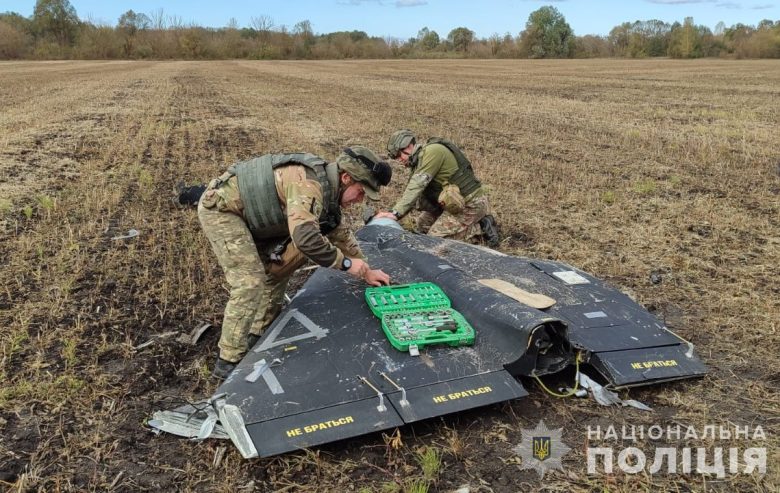
- Gap. Every one of Russia’s six ballistic missiles on July 11 penetrated Ukrainian air defenses—a direct consequence of Patriot interceptor stockpiles running critically low after months of intensive use.
- Toll. The two-day exchange killed 9 and wounded at least 30, bringing the cumulative death toll in greater Kyiv since July 1 to at least 60.
- Response. Allies convened in Paris on July 14 to coordinate emergency munitions deliveries, while President Trump separately signaled willingness to license U.S. missile manufacturing to Kyiv.
Ukraine’s air-defense network showed a critical vulnerability on July 11 when Russia launched six Iskander-M and S-400 ballistic missiles alongside 121 Shahed-type drones and six cruise missiles. Ukrainian forces intercepted 111 drones and two cruise missiles—but not a single ballistic missile was stopped. All six struck their targets, pointing to a deepening interceptor shortage that Ukrainian commanders are managing by switching Patriot batteries to manual operational mode to conserve remaining stock.
Two days of strikes, nine dead
Over July 11–12, strikes killed nine people across multiple fronts. In Sumy, glide bombs struck a bus stop, killing five civilians and wounding at least 30. Three people died at an industrial facility in Kryvyi Rih in Dnipropetrovsk region, and one more was killed in Kherson by a drone. On the Russian-controlled side, four people died in Enerhodar—near the Zaporizhzhia nuclear plant—and one in Russia’s Samara region, where a Ukrainian long-range drone struck. Kyiv Mayor Vitali Klitschko confirmed that an 11-year-old boy was among those requiring emergency hospital treatment.
The cumulative toll in greater Kyiv since July 1 has reached at least 60 dead, according to Al Jazeera reporting from Kyiv. President Zelenskyy stated on July 11 that “civilian infrastructure was hit even before the air raid alert was issued,” and urged allies to “quickly deliver air defence packages agreed at this week’s NATO summit.”
Ukraine hits Russia’s naval logistics
Ukraine’s counter-strikes were concentrated on Russia’s maritime supply chain. Drone forces struck 21 fuel tankers in the Sea of Azov, bringing the total number of Russian vessels hit across the week to 76—an unusually high figure that points to a sustained campaign targeting Russia’s logistical network in the south. The long-range strike in Samara, more than 1,000 kilometres from the front line, reinforced Ukraine’s signal that no part of Russian territory can expect insulation from the conflict.
Allies scramble on munitions
The Patriot shortage has been building for months. Ukraine’s batteries have been operating at an intensity that outstrips Western production capacity, and the NATO Ankara summit on July 7–8 pledged additional munitions without specifying delivery timelines. On July 14, a Ukraine support coalition meeting convened in Paris—now comprising 37 nations—to coordinate emergency deliveries. Trump separately indicated willingness to license U.S. missile manufacturing directly to Kyiv, a step that would accelerate production but would take months to translate into battlefield stock.
Until those deliveries arrive, Ukraine faces a structural problem: its most capable air-defense interceptors cannot stop the weapon Russia is now choosing most consistently to fly.