
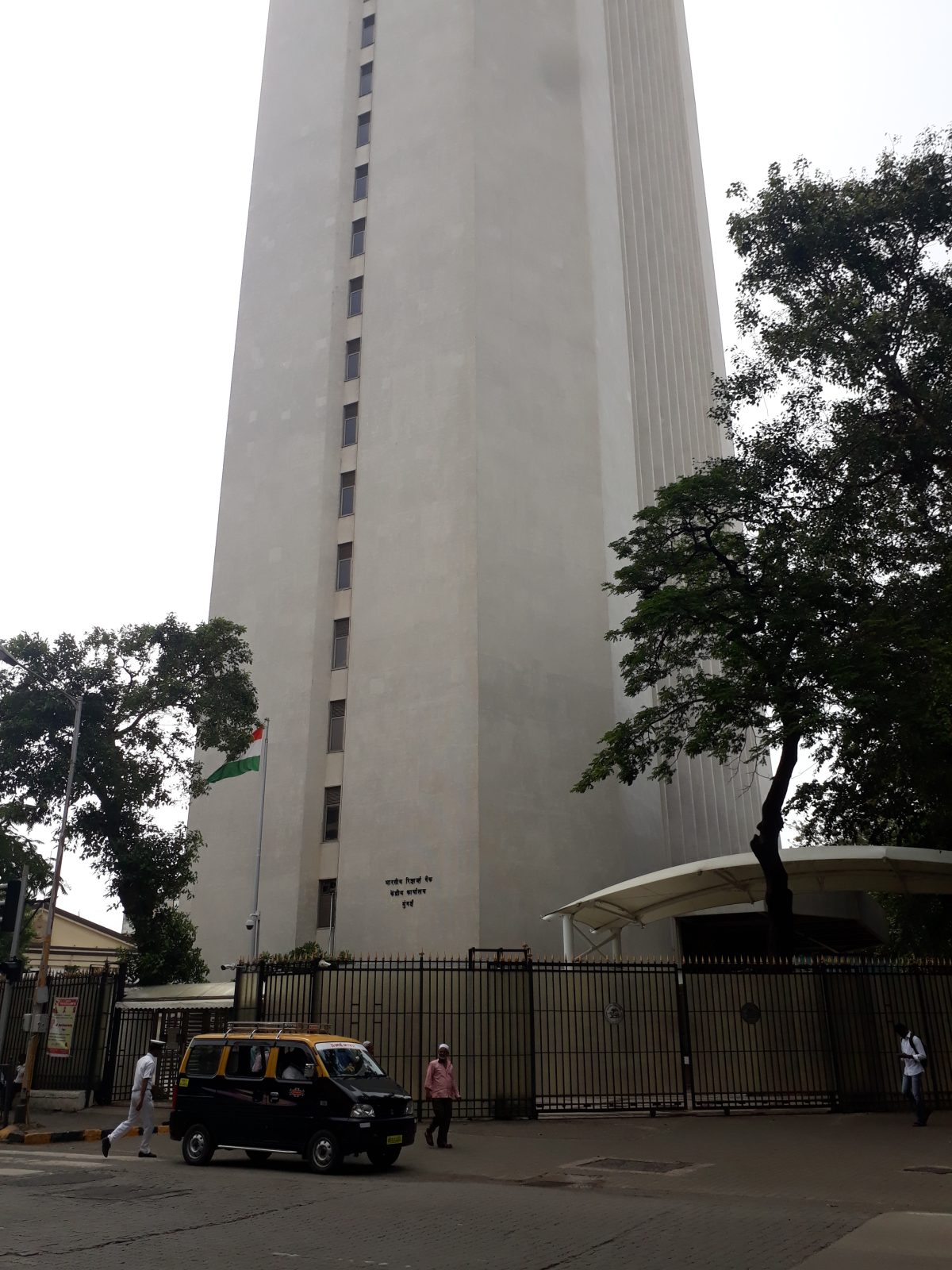
- Breach. India’s CPI hit 4.38% in June, crossing the Reserve Bank of India’s 4% target for the first time since January 2025 and completing a three-month acceleration from 3.48% in April.
- Drivers. Food prices rose 5.32%—ginger jumped 50.41% and tomatoes 31.92%—while transport costs surged on mid-May fuel price hikes that added 4.31% in the sector.
- Stakes. A monsoon tracking 18% below normal poses continued upside risk, and economists are split on whether the RBI hikes as early as August or waits until after the kharif harvest.
India’s consumer price index rose to 4.38% year-on-year in June 2026, according to data released on July 13 by the Ministry of Statistics. The reading exceeded the economists’ consensus of 4.20%, crossed the Reserve Bank of India’s 4% target midpoint for the first time in 17 months, and extended a three-month sequence of acceleration: 3.48% in April, 3.93% in May, and now 4.38%.
What drove the June print
Food inflation was the primary engine, rising 5.32% in June. Within the food basket, ginger prices surged 50.41% year-on-year and tomatoes climbed 31.92%, reflecting supply-side shocks linked to uneven monsoon distribution. Transport and communication inflation jumped to 4.31% from just 1.75% the prior month, a direct consequence of petrol and diesel price hikes implemented in mid-May. Restaurant and accommodation costs added further pressure, rising 6.91%.
The divergence between rural and urban India was pronounced. Rural CPI ran at 4.74%—well above urban inflation of 3.92%—underscoring the concentrated exposure of agricultural households to food price swings. At the state level, Telangana recorded the highest reading at 6.36%, according to Business Standard. Crude oil has eased from roughly $114 per barrel in April to around $71, providing some relief on the import side, but that moderating factor has not been sufficient to offset domestic food and fuel pressures.
Monsoon risk and the RBI’s dilemma
India’s southwest monsoon is tracking 18% below normal as of mid-July, raising the prospect of further food price pressure if the kharif crop underperforms. That uncertainty sits at the centre of the RBI Monetary Policy Committee’s calculation for its August 2026 meeting.
Economist assessments diverge on the pace of policy response. ICRA’s chief economist argued the MPC should “maintain status quo on the policy rate at its August 2026 meeting,” citing easing crude and monsoon uncertainties as reasons to hold. Bank of Baroda’s chief economist flagged “one rate hike during the year, perhaps after October, once kharif harvest prospects become clearer.” Capital Economics took a more aggressive view, projecting the RBI will start hiking “before long, perhaps as soon as the MPC meeting in August.” A consensus of 50–75 basis points of cumulative hikes in the second half of fiscal year 2027 is forming, though timing remains contested.
The RBI last moved rates to support a softening economy earlier in 2026. A reversal now would signal policymakers view the June print as a structural turning point rather than a temporary spike—a determination the August meeting is likely to test. The challenge is one familiar to global central banks: the difficulty of navigating an inflation that retreats unevenly, leaving rate-setters exposed whichever direction they move.