
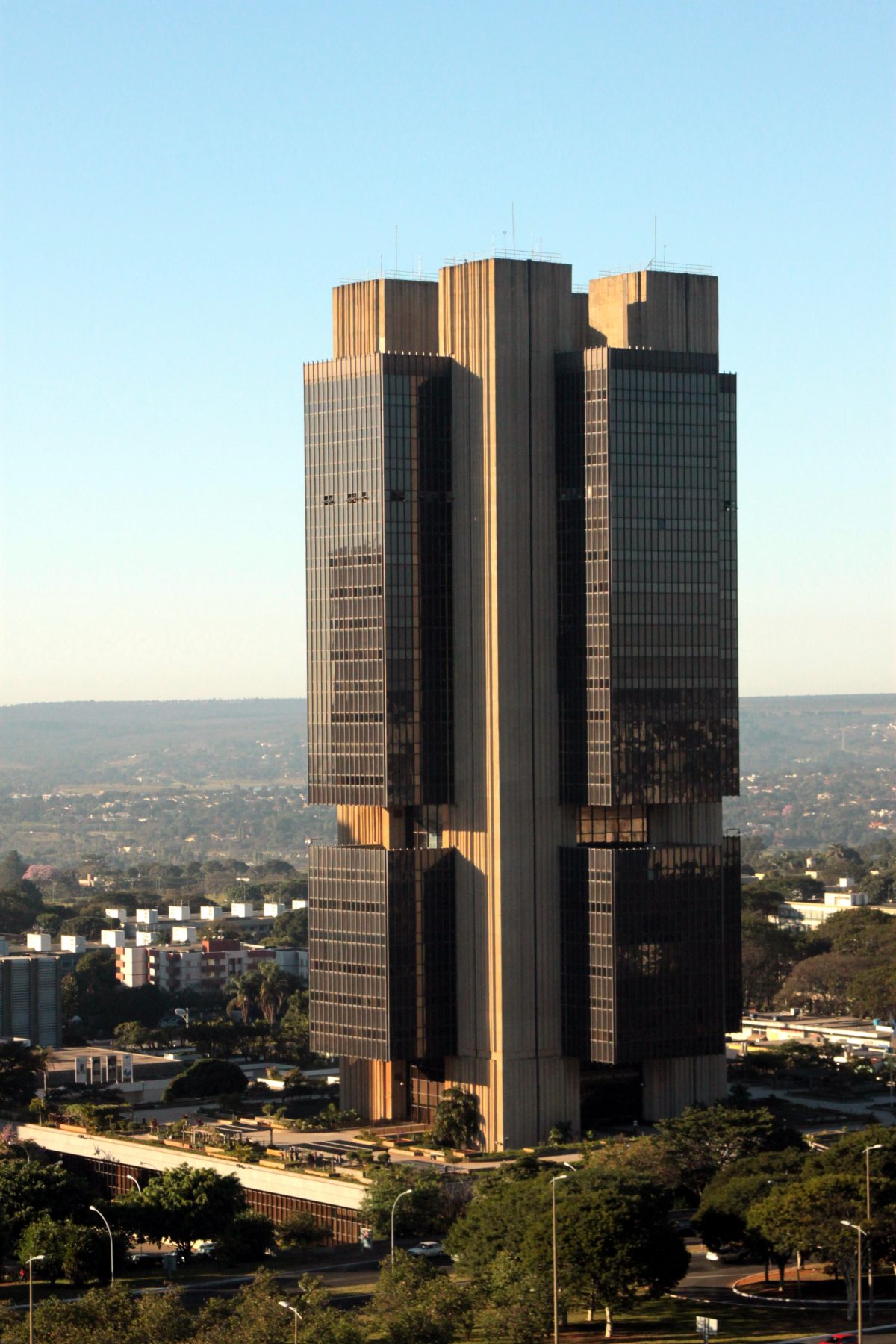
- Fourth cut. Brazil’s Copom voted unanimously on 5 August to lower the benchmark Selic rate by 25 basis points to 14.00%, completing 100 basis points of easing since March 2026.
- Calibrated pace. Despite cutting for a fourth consecutive meeting, the committee flagged “heightened uncertainty” and “deanchored inflation expectations” — framing the decision as data-conditional rather than a signal of accelerated easing.
- Open door. The Copom declined to pre-commit to a September move, leaving the path explicitly dependent on incoming inflation and activity data.
Brazil’s Banco Central do Brasil lowered the Selic rate to 14.00% on 5 August 2026, in a unanimous decision by the monetary policy committee — the Copom — that extended an easing cycle that began in March. The move, reported by Central Banking, was expected by every economist surveyed by Bloomberg before the meeting, reflecting how precisely the committee has telegraphed its intentions since Governor Gabriel Galípolo took charge.
A Cautious Easing Path
Copom has now cut the Selic four times in a row, each move a quarter-point, reducing borrowing costs from 15.00% at the start of the cycle to 14.00% — 100 basis points of cumulative easing in five months. That measured pace reflects the committee’s stated wariness about declaring victory on inflation prematurely. In its post-meeting statement, Copom described the economic environment as marked by “heightened uncertainty, a deanchoring of inflation expectations and elevated risks,” a formulation that sits in deliberate tension with the cut it simultaneously delivered.
The acknowledgment of risk in the same statement that delivers a reduction is a deliberate communication choice: Copom is signalling that it has not shifted to a dovish autopilot. The statement was notably streamlined compared with earlier versions, which some analysts read as a sign the committee wanted to avoid creating false precision about the future trajectory.
The Economic Backdrop
Brazil’s economy has been expanding, though activity is moderating gradually rather than contracting. Copom pointed to both the moderation in economic activity and decelerating inflation measures as the twin justifications for continuing the cycle. Energy costs — elevated globally by ongoing Middle East tensions — remain a wildcard: a renewed price spike could push Brazilian inflation back above the tolerance band and force the committee to pause.
Brazil’s easing cycle stands in contrast to the stance of several other major central banks navigating the same inflation-growth tension. The Bank of England has held its rate at 3.75% while internal dissent among Monetary Policy Committee members grows, reflecting a harder choice between supporting growth and containing price pressures that have proved stickier than expected in the UK.
What Comes Next
The Copom gave no explicit guidance on the pace or terminal destination of its easing cycle. Market participants have priced in the possibility of a September reduction of the same 25-basis-point magnitude, though the committee’s emphasis on data dependence leaves meaningful room for a pause if July inflation data — due in the coming weeks — comes in above expectations.
The trajectory of the Selic back toward historically lower levels is a central policy objective for 2026, but the pace of descent remains firmly tied to achieving and sustaining price stability. Brazil’s fourth straight cut keeps the cycle on track without committing the bank to a schedule it may need to revise if the global energy picture or domestic demand surprise to the upside.