
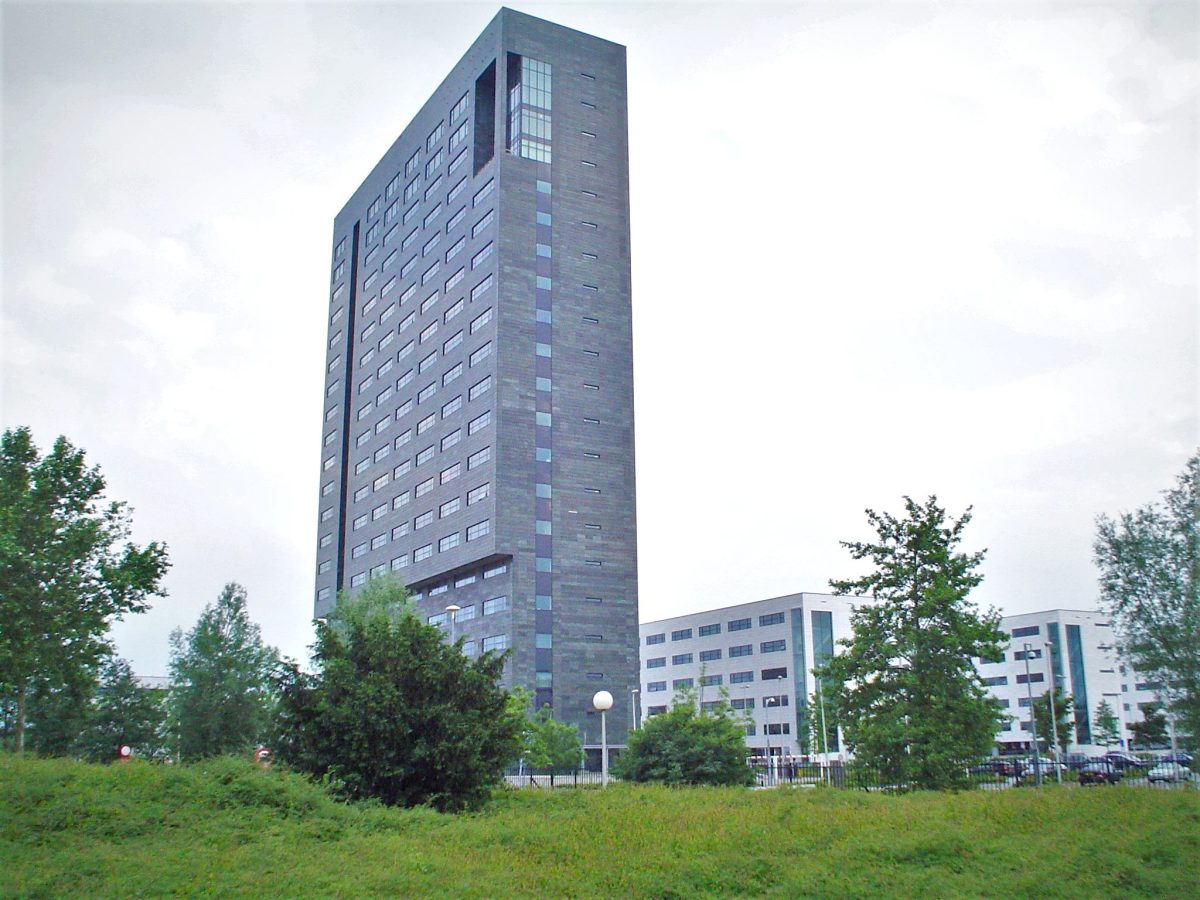
- Lead. ASML, the sole manufacturer of extreme ultraviolet lithography machines that produce every advanced AI chip in the world, is seeking price increases across its tool portfolio after a blowout second quarter, with Chinese customers accepting a 10% hike on deep ultraviolet equipment while TSMC is pushing back on EUV increases.
- Fact. ASML raised its full-year 2026 revenue forecast to €43–45 billion, up sharply from prior guidance of €36–40 billion; its High-NA EUV machines — priced at roughly €350 million (~$410 million) each — are nearly sold out through the end of 2027, giving the company exceptional pricing leverage.
- Stake. Any increase in ASML tool prices flows directly into the economics of every AI chip fab in the world: TSMC builds chips for Apple, Nvidia, and AMD; ASML’s pricing power reflects, and can amplify, how expensive the global AI infrastructure build-out is becoming.
The Dutch lithography monopoly is in direct negotiations with TSMC on EUV price increases and has separately notified Chinese chipmakers of a 10% hike on deep ultraviolet tools, according to TrendForce reporting published on July 16. Some Chinese buyers have already agreed to the DUV increase even as China’s overall share of ASML sales is falling: the country accounted for 33% of ASML’s net sales in 2025 but is expected to drop to roughly 20% in 2026 as export controls continue to bite.
Pricing Power from a Monopoly Position
ASML’s leverage is structural. No other company has successfully commercialised EUV lithography; without its machines, leading-edge chips at 5 nm and below cannot be manufactured. Its most advanced product, the High-NA EUV tool priced at approximately €350 million, is booked nearly to capacity through 2027. CFO Roger Dassen articulated the strategy: the company keeps on increasing the productivity of its low-NA tools, giving it a strong runway for potential price improvements going forward, Dassen said.
ASML raised its 2026 annual revenue forecast to €43–45 billion, a lift of roughly 15–25% above the prior €36–40 billion range. AI chip demand and a memory super-cycle — particularly for high-bandwidth memory used in AI accelerators — are the primary drivers. ASML stock had already risen 64% year-to-date at the time of the report.
Capacity Expansion and the Ripple Effect
To meet demand, ASML is executing a 30% capacity increase across two key machine lines in 2026, with a further 30% expansion under consideration for 2028. That growth trajectory has implications beyond ASML’s own balance sheet. SK Hynix suppliers are reportedly seeking 3–4% equipment price increases, suggesting the upward pricing pressure is spreading across the semiconductor equipment sector.
The pricing push comes as major chipmakers race to expand capacity. Intel committed €5 billion to its Irish fabrication facility earlier this month to scale AI chip output, one of several multi-billion-dollar fab investments announced since the start of 2026. Higher ASML tool prices will factor into the return assumptions for every one of those projects — a cost headwind for chip buyers that has not yet been fully priced into the AI infrastructure build-out.