
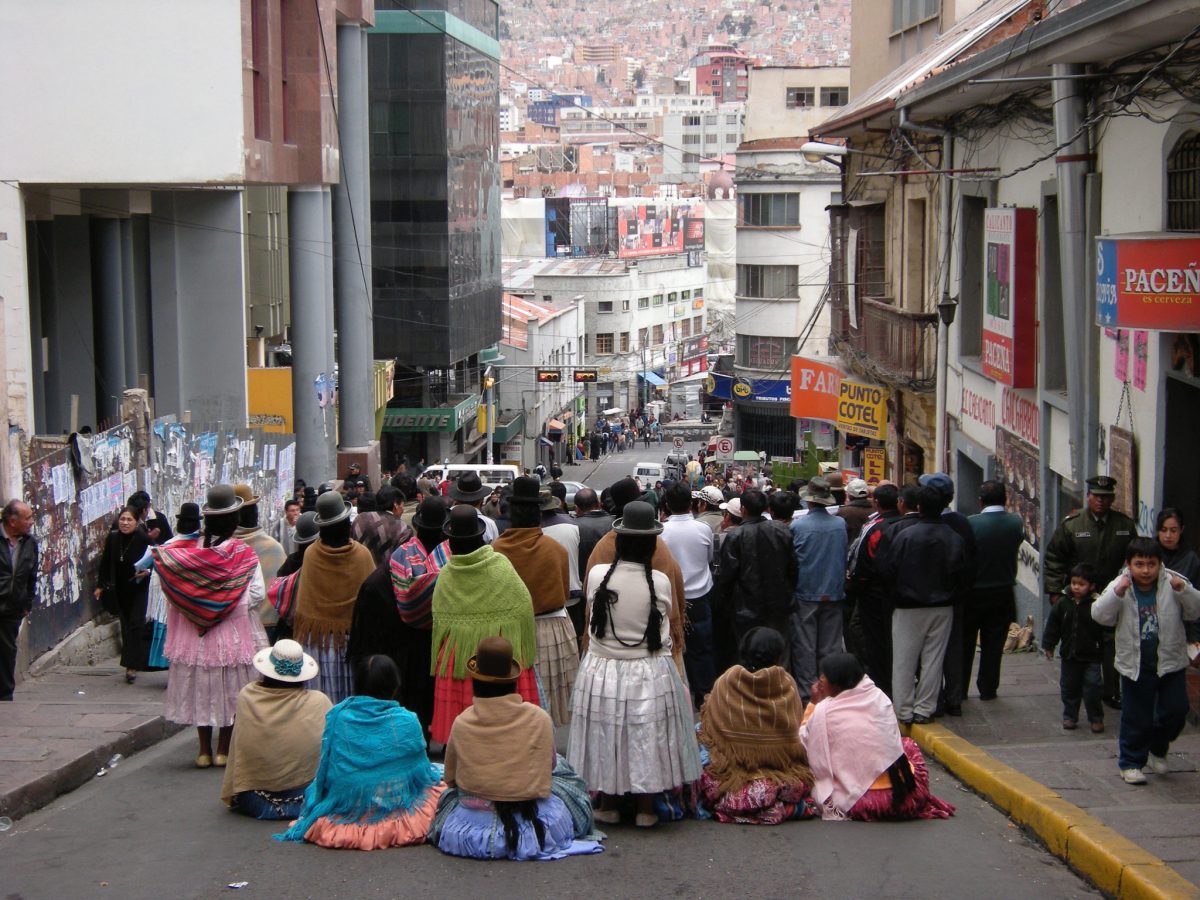
- Lead. Bolivia’s president has ordered the military onto the streets of La Paz to break five weeks of Indigenous and union-led road blockades — blockades that have strangled fuel supplies, emptied supermarket shelves and left hospitals running out of oxygen.
- Fact. At least 17 people have died since protests began, most of them denied urgent medical care because barricades prevented ambulances from reaching hospitals, according to Bolivia’s ombudsman and human rights groups.
- Stake. The 90-day decree keeps pressure on President Rodrigo Paz even as he seeks a negotiated exit from the crisis — protesters who want him to resign have refused to engage, and a partial deal signed with one labour union has not silenced the streets.
President Rodrigo Paz signed the decree on Saturday, June 20, invoking emergency powers that give the armed forces authority to remove road blockades across Bolivia’s seat of government and other major cities. The action came on the 50th day of protests demanding Paz’s resignation over austerity measures, principally the cancellation of long-standing fuel subsidies.
A city isolated
La Paz has effectively been under siege. Barricades erected on key arterial roads cut the city off from supply routes, triggering fuel shortages, shuttered businesses and empty shelves. Hospitals exhausted their oxygen reserves. According to the government, at least seven of the 17 deaths recorded by human rights organisations were patients who could not reach medical care in time. In addition to the fatalities, authorities reported at least 365 arrests and 37 injuries since the demonstrations escalated.
The emergency decree prohibits “blocking streets, avenues, roads and highways in ways that affect transportation and supplies” and orders the armed forces to temporarily support the police in “restoring order, reopening roads and protecting the population.” Constitutional rights are not suspended under the measure, Paz said in a televised address, framing it as a defence of ordinary Bolivians rather than a restriction on them: “This is not a state of emergency to restrict people’s lives. It is a state of emergency to give people back their freedom.”
Negotiations, partial and fragile
On the night before signing the decree, Paz reached an agreement with one of the main labour unions whose leaders called for blockades to be lifted. That partial accord did not bring the wider protest movement to heel. Other demonstrators, including many Indigenous community organisations, have demanded Paz’s resignation and refused to negotiate — a divide that suggests the emergency decree has resolved the immediate humanitarian crisis without settling the underlying political one.
The state of emergency is set to last 90 days but the decree allows it to be lifted earlier “if violence and threats against the population come to an end.” International human rights observers have warned that the use of the military against protesters, however narrowly framed in the decree, risks compounding public distrust of a government already accused of imposing painful economic cuts without adequate social protections.
The protests represent the sharpest test yet of Paz’s administration. As reported here when the blockades first gripped the capital, the confrontation between Paz and street-level opposition has been building since austerity measures took effect earlier this year. The emergency decree has cleared the roads — whether it has cleared the political impasse is another matter. The source for this article is the Associated Press report published June 20 via ABC News.