
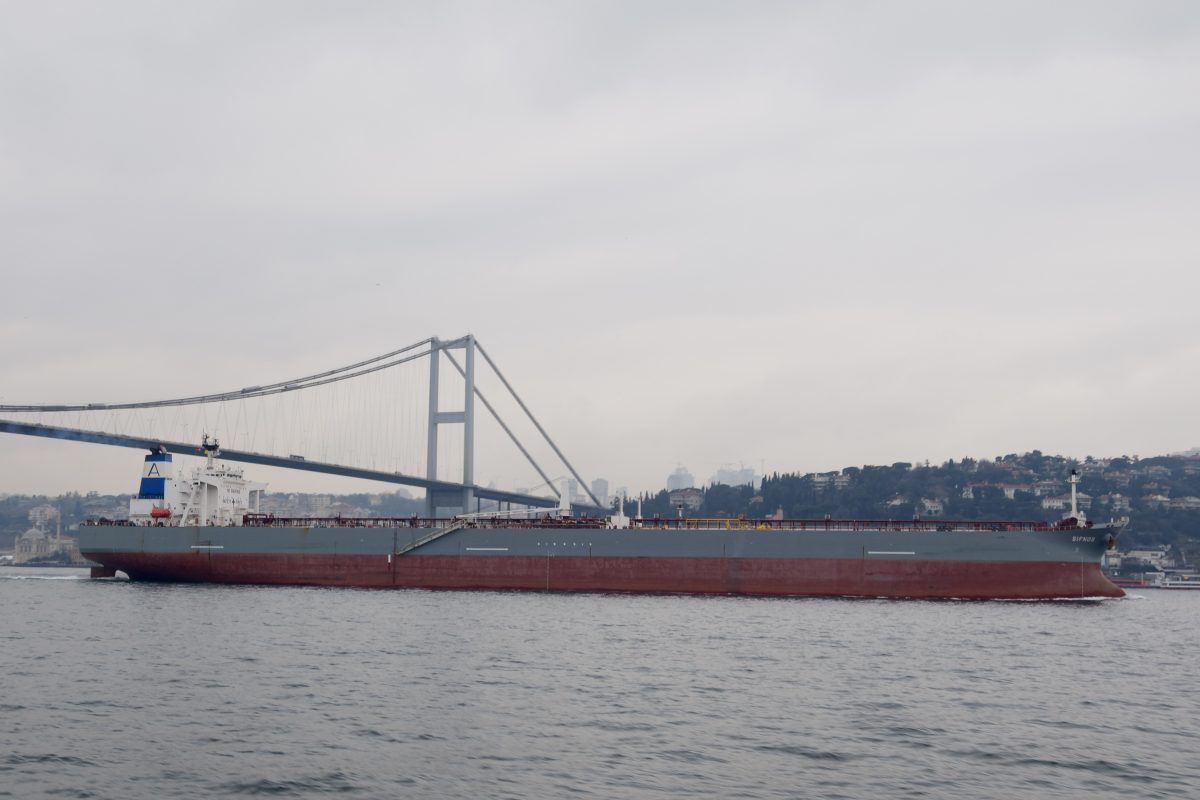
- Threshold crossed. Brent crude climbed above $90 per barrel on August 31 — roughly 25 percent above prices at the start of the Iran conflict — after US forces struck Iranian rocket launchers on Larak Island.
- Equity selloff. The Dow Jones Industrial Average dropped more than 370 points in Monday’s session, with the S&P 500 and Nasdaq also falling as oil’s rise pushed bond yields higher.
- September setup. With Brent near $90 and the FOMC meeting scheduled for September 15-16, the oil spike adds an inflationary wildcard to an already finely balanced rate decision in Washington.
The $90 level
Brent crude rose above $90 per barrel on August 31, 2026, after news that US forces had struck two Iranian rocket launchers on Larak Island in the Strait of Hormuz. At roughly $90, Brent is trading at approximately 25 percent above levels that prevailed when the broader Iran conflict began earlier in 2026, according to data cited by multiple market reporting services.
The $90 threshold carries weight for traders and policymakers alike. Previous sustained runs above $90 have historically coincided with accelerating headline CPI readings in Europe and the United States, complicating central bank decisions. Earlier in August, when diplomatic channels appeared to be making progress, Brent had retreated on a US inventory build and softer demand signals. That reprieve proved short-lived.
Equity and rates impact
The oil spike fed directly into bond markets: as Brent crossed $90, Treasury yields climbed, weighing on equities. The Dow Jones Industrial Average fell more than 370 points in regular trading on August 31. The S&P 500 and Nasdaq Composite also declined on the session, though both indices managed to close August with monthly gains — the S&P up 2.6 percent for the month, extending a multi-month run of positive performance.
US national average gasoline prices reached $4.07 per gallon, up sharply from the period when Brent had first broken above $84 earlier in the summer. For US households, the gas price is a visible inflation indicator that carries political salience heading into November’s midterm elections.
The September question
The Federal Reserve’s next FOMC meeting falls on September 15-16, 2026. Fed Chair Kevin Warsh indicated at Jackson Hole last week that “a hike in September is finely balanced” and that any further action would depend on incoming CPI data and “developments in the Middle East.” An oil price sustained above $90 materially affects that calculus, since it feeds directly into headline PCE and CPI readings.
Energy analysts noted that the speed of Monday’s move — from the $87-88 range into $90-plus territory within a single session — reflects underlying market thinness in Hormuz-adjacent crude contracts, where options positioning has become increasingly one-sided since the summer. Heading into September, a month historically associated with equity volatility, the oil market adds another layer of uncertainty to an already complex macro backdrop.