
- Scale. Cerebras raised $5.5 billion pricing at $185 per share — above its already-elevated marketed range of $150-$160 — giving it a fully diluted valuation of $56.4 billion before trading began.
- Pop. The stock opened at $385, a 108% first-day premium, and ended the session at $311, implying a market cap of roughly $66 billion — nearly five times its private-market valuation eight months ago.
- Signal. The listing is the largest US tech IPO of 2026 to date, arriving as capital that once flooded into crypto rotates toward semiconductor and AI infrastructure plays.
Cerebras Systems began trading Thursday morning under the ticker CBRS, opening at $385 — more than double Wednesday night’s IPO price of $185. The stock closed at $311, still up 68% from the offering price, as early buyers took partial profits. By end of session, the AI chipmaker carried a market cap of roughly $66 billion, according to Yahoo Finance — a figure that would have seemed improbable eight months ago, when Cerebras’s private-market valuation stood at $8.1 billion.
What Cerebras builds
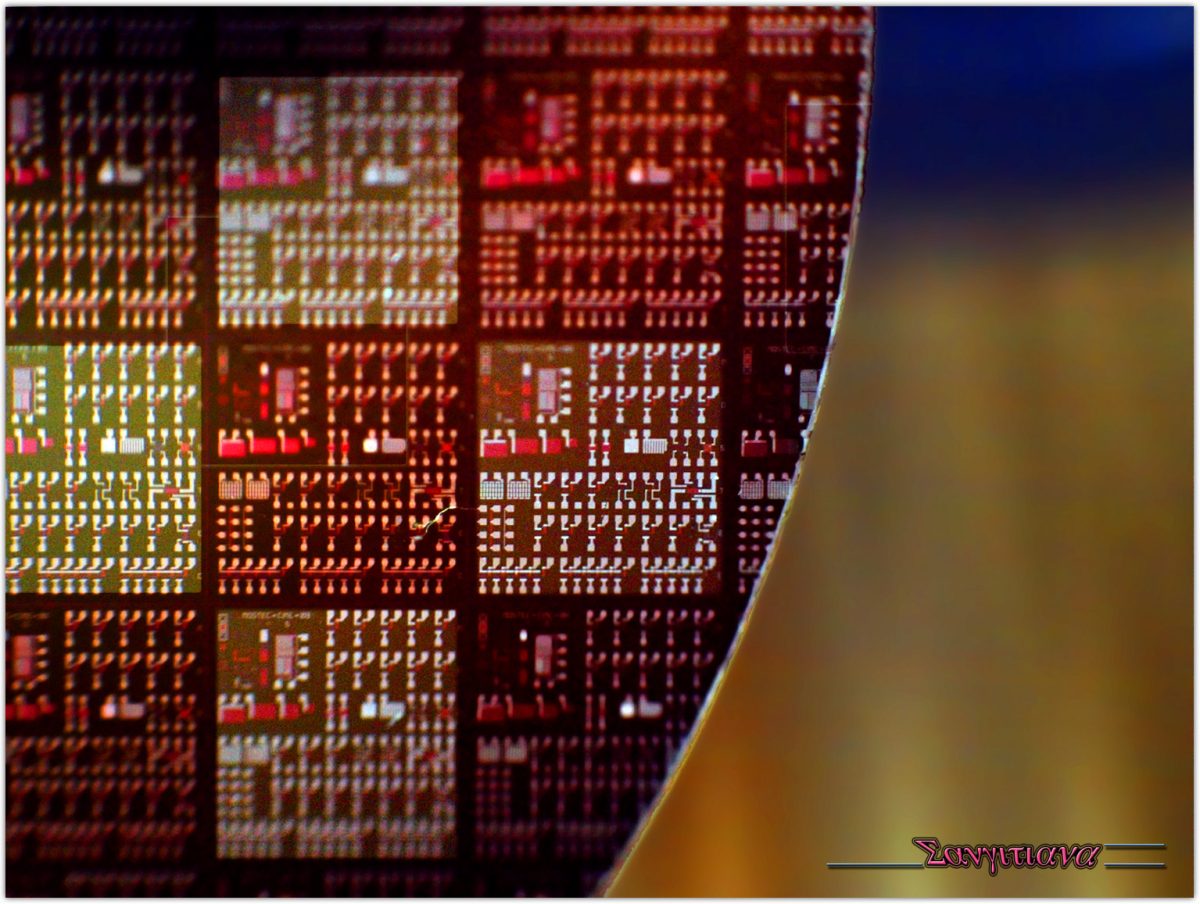
The company makes a single wafer-scale AI chip — the Wafer Scale Engine — designed from the ground up for inference workloads: the ongoing computation required each time a large language model responds to a user prompt. That positions it squarely against the inference segment of Nvidia’s data-centre business, which has been growing fastest as model deployment expands beyond training into production use. Cerebras reported $510 million in revenue for 2025, up 76% year on year, and swung to a net income of $237.8 million from a nearly $500 million loss the year before.
Customer concentration remains a disclosed risk: Group 42 of Abu Dhabi, Saudi Arabia’s Mohamed bin Zayed University of Artificial Intelligence, Amazon Web Services, and OpenAI together account for the bulk of revenue. The OpenAI relationship is described in the prospectus as a “complicated circular-deal structure” given Cerebras’s dependency on — and competition with — the broader OpenAI ecosystem.
IPO window and the chip cycle
Cerebras first filed for an IPO in 2024 but faced an extended CFIUS review stemming from Group 42’s foreign investment. Clearance came earlier this year, allowing the company to revive its offering at a moment when the Philadelphia Semiconductor Index is up 66% year to date. That context shaped investor appetite: the AI chip sector’s demand outlook, anchored by Nvidia’s outsized forward guidance, has driven capital into any credible competitor or adjacent infrastructure play.
The Cerebras debut adds a publicly priced benchmark to the AI chip sector — one that will influence how investors value a pipeline of private ventures including Groq, Etched, and others still operating without public-market scrutiny. Meanwhile, firms such as Ledger and Consensys have paused or delayed their own IPO plans, underscoring that the window for listings remains selective: receptive to AI infrastructure, cooler toward everything else.