
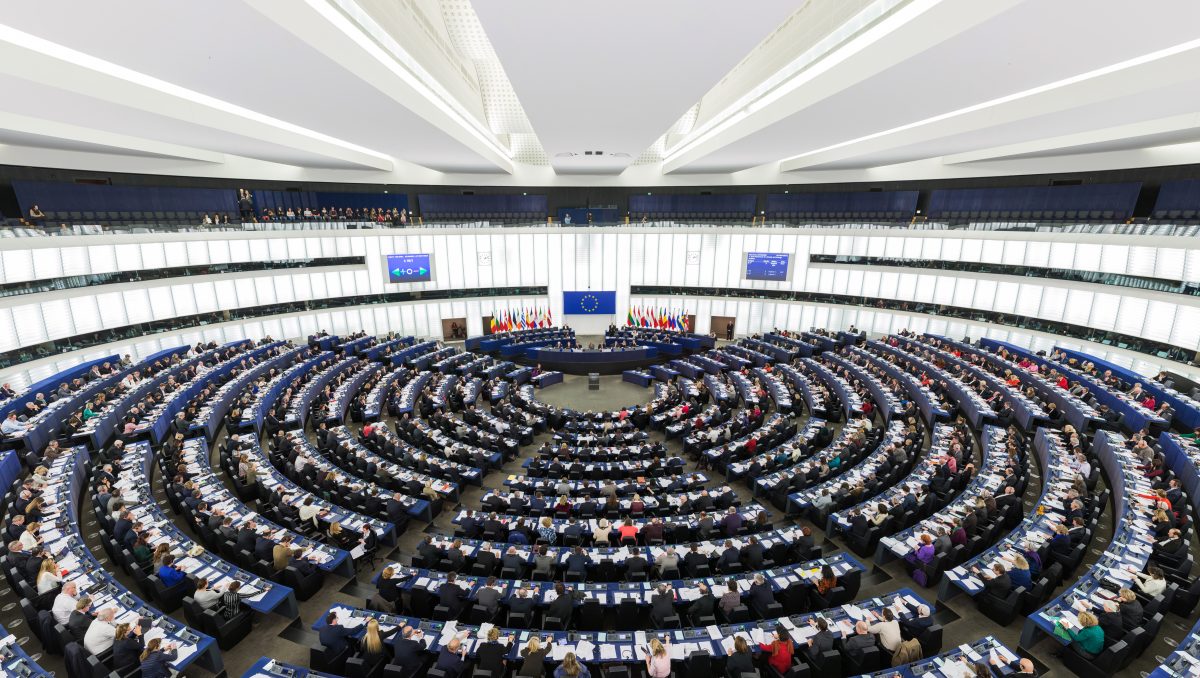
- Lead. The European Parliament adopted a position this month to delay the AI Act’s high-risk system requirements to December 2, 2027 — buying AI developers roughly 14 additional months beyond the original deadline, and signalling that Brussels is willing to trade enforcement speed for industry readiness.
- Fact. The same package introduces a new outright ban on nudifier AI systems that generate non-consensual sexual imagery, extends the watermarking compliance deadline to November 2, 2026, and broadens SME support measures to cover small mid-cap enterprises.
- Stake. The Parliament’s position is not yet law: it must pass through trilogue negotiations with the Council of the EU, meaning timelines could shift again before becoming binding across all 27 member states.
European lawmakers moved to ease the near-term compliance burden on the AI industry in May, adopting a formal position on the European Commission’s simplification proposals that pushes back the most demanding tier of AI Act obligations by over a year. For systems covered by existing EU sectoral safety legislation, the deadline extends further still — to August 2, 2028. The vote reflects an acknowledgment among MEPs that the original timeline was poorly sequenced relative to the pace at which AI systems are being developed and deployed.
What the vote changes
Under the Parliament’s adopted position, developers of high-risk AI applications — systems used in hiring, credit scoring, critical infrastructure, and similar contexts — gain until December 2, 2027 to achieve full compliance. Providers of AI-generated content will need to meet watermarking requirements by November 2, 2026, a modest extension on the earlier deadline. The ban on nudifier systems — tools that use AI to generate sexualised non-consensual imagery of real individuals — is new and absolute, with no grace period attached.
Reflecting a lobbying push from the business community, MEPs extended the AI Act’s SME support provisions to small mid-cap enterprises, widening the category of firms that can access simplified compliance pathways. The general-purpose AI model rules and the existing ban on prohibited AI practices remain in force on their original schedule and are not touched by the simplification package.
The enforcement picture
The vote arrives as the EU’s antitrust apparatus is simultaneously scrutinising Big Tech’s AI operations for possible competition distortions — a parallel track to the AI Act’s safety and transparency framework. The combination of regulatory tools means European AI governance is spreading across two distinct enforcement regimes, each with different timelines, different penalties, and different institutional owners.
Meta’s refusal to sign the EU’s voluntary AI Code of Practice earlier this year illustrated the friction between Brussels and major US AI developers over governance norms. The delay to December 2027 is unlikely to resolve that underlying tension, but it does give both sides more time to negotiate what compliance actually looks like before inspectors arrive. Whether the trilogue with the Council produces a stricter or more permissive final text will determine whether the EU’s AI Act ultimately acts as a global standard-setter or as a cautionary tale in regulatory timing.