
- Lead. Abelardo de la Espriella, a far-right lawyer backed by Donald Trump, won Colombia’s presidential runoff on June 22 with 49.7% of the vote against leftist Senator Iván Cepeda’s 48.7% — a margin of roughly one percentage point in one of the closest presidential elections in the country’s history.
- Fact. De la Espriella, who holds dual US and Italian citizenship and had no prior elected office, has pledged to terminate peace talks with armed rebel groups, expand oil and gas production, and cut state size by up to 40%.
- Stake. The result ends four years of leftist government under Gustavo Petro and marks a sharp rightward turn in a country where security policy, drug trafficking, and relationships with armed groups remain unresolved.
Colombia’s June 22 runoff produced the narrowest presidential result in the country’s modern history. With 99.9% of results tallied, De la Espriella had secured 49.7% of the vote against Iván Cepeda’s 48.7%, according to Al Jazeera’s reporting. Cepeda’s team announced it would contest results from more than 30,000 voting stations, though no presidential recount has ever reversed a Colombian election outcome.
A Mandate from Dissatisfaction
De la Espriella ran on voter dissatisfaction with Petro’s government, which failed to deliver promised cost-of-living relief during a period of elevated inflation. Petro’s “total peace” strategy — which attempted to negotiate simultaneously with multiple armed groups — generated criticism across the political spectrum. De la Espriella, who has also lived in the United States and Italy, positioned himself as an outsider candidate willing to take a harder security line.
In his victory statement, De la Espriella pledged: “I will govern for all Colombians,” and promised “there will be no retaliation, no persecution.” Cepeda, in conceding, said his side remained “open to dialogue” but called for “genuine” political engagement backed by concrete action.
What the Policy Shift Looks Like
The incoming administration has signalled it will terminate Petro’s “total peace” negotiations with rebel groups and adopt a security model closer to El Salvador’s — including a proposal to build large-scale maximum-security prisons. De la Espriella has also pledged to expand Colombia’s oil and gas sectors, a direct reversal of Petro’s stated ambition to reduce fossil-fuel dependence, and to reduce state size by as much as 40%.
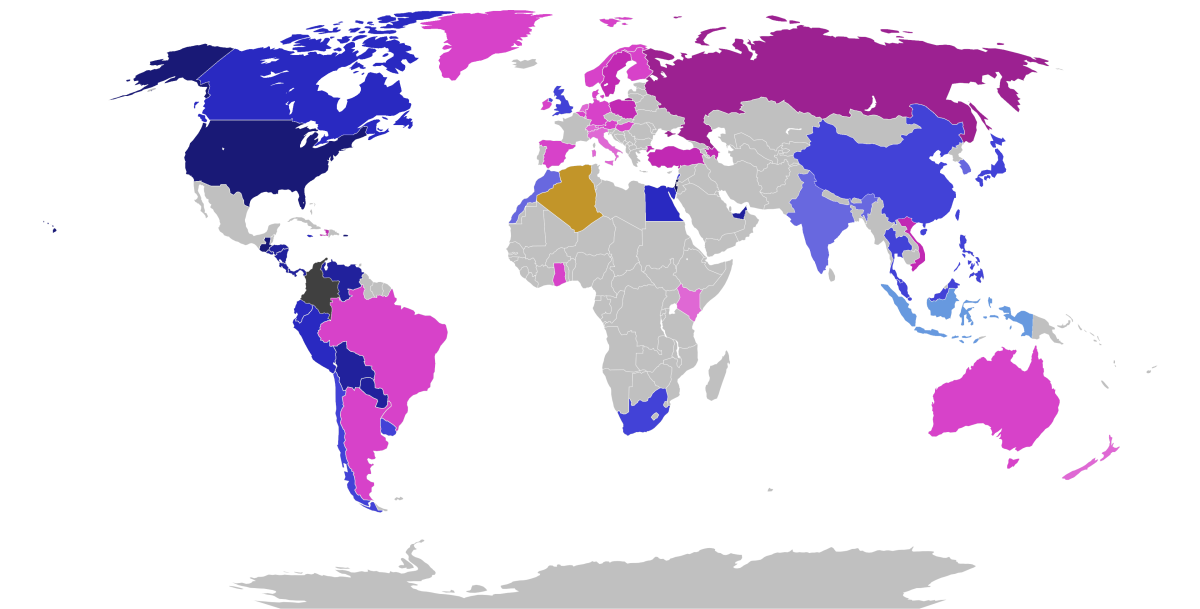
Colombia joins a broader rightward shift across Latin America, where voter dissatisfaction with leftist governments has accelerated in the wake of inflation, insecurity, and unfulfilled social promises. Despite his mandate, De la Espriella faces a divided Congress that is likely to constrain the most sweeping of his proposals.