
- Toll. At least 28 workers died at the Huiteng shoe factory in Jinjiang, Fujian province, on July 9, 2026 — one of China’s deadliest industrial fires in recent years.
- Trapped. Of 239 people inside, 213 were evacuated; blocked stairwells filled with piled goods prevented dozens from reaching exits in time.
- Accountability. Company officials were arrested and bank accounts frozen within hours; President Xi Jinping called for those responsible to be “strictly held accountable.”
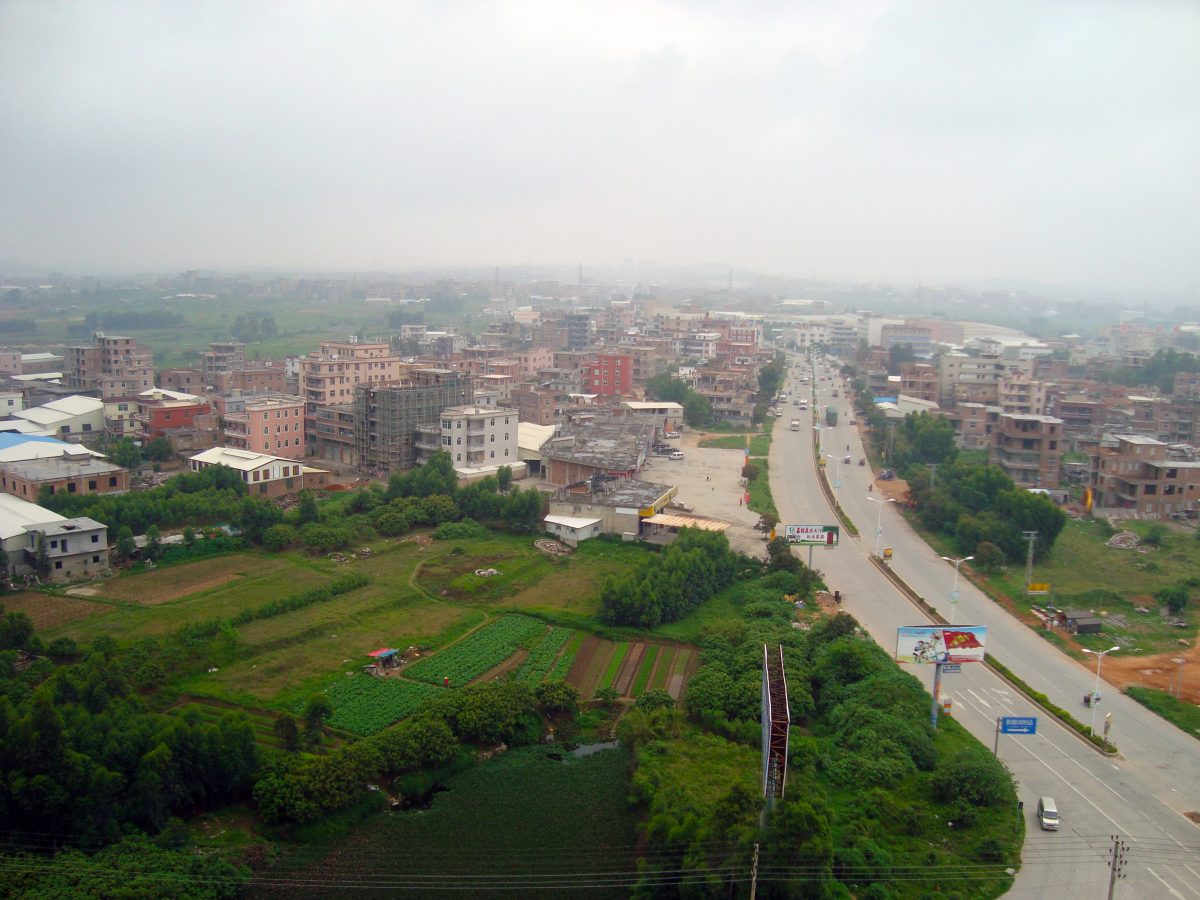
The fire broke out at approximately noon local time at the Huiteng footwear manufacturer in Jiangtou village, Jinjiang — a city described by NBC News as China’s “shoe capital” for its concentration of footwear producers — spreading rapidly through a building packed with highly combustible materials. More than 180 firefighters and 35 emergency vehicles were deployed to the site; open flames were largely extinguished by around 4 p.m., though search and rescue operations continued into the evening.
How the fire spread
Preliminary findings by investigators pointed to a ground-floor ignition point in a workspace where shoe-making adhesives, foam, and synthetic materials had accumulated. The blaze spread quickly: adhesives and solvents commonly used in footwear manufacturing are highly flammable, and rescuers reported that burning materials produced a pungent smell that caused eye irritation among firefighters entering the building.
The critical factor in the death toll, investigators said, was that large quantities of goods had been stacked in the building’s stairwells, blocking the primary evacuation routes. Of the 239 workers and visitors present at the time, 213 were evacuated. Twenty-six were found dead inside the building; two more died after receiving hospital treatment, bringing the confirmed toll to 28, according to Al Jazeera.
Official response
President Xi Jinping issued instructions from Beijing demanding an “all-out rescue effort” and calling for a rapid determination of cause. State media quoted Xi as saying: “The cause of the accident should be identified as soon as possible and those responsible must be strictly held accountable.” The Ministry of Emergency Management echoed the instruction, ordering an exhaustive search for any remaining survivors.
By the evening of July 9, Chinese authorities had taken company leadership and other relevant personnel into custody and frozen the company’s bank accounts as part of a criminal investigation into the blaze’s origin and the conditions that allowed it to become so lethal.
Factory safety in China’s manufacturing hubs
Industrial accidents in China’s densely packed manufacturing zones carry persistently high death tolls, driven by a combination of older building stock, flammable materials, and enforcement gaps that national safety campaigns have struggled to close. Jinjiang is home to hundreds of shoe and textile manufacturers, ranging from large export-oriented factories to smaller contract producers. The sector’s safety record has come under renewed scrutiny following a string of factory and warehouse fires in recent years.
The criminal investigation opened by Fujian authorities will examine whether company management had been warned about the stairwell blockages or the storage of flammable materials in evacuation routes — a pattern investigators have identified in previous fatal factory fires in China. Whether the Huiteng factory had undergone a recent fire-safety inspection, and what the outcome was, had not been disclosed publicly as of July 10.